
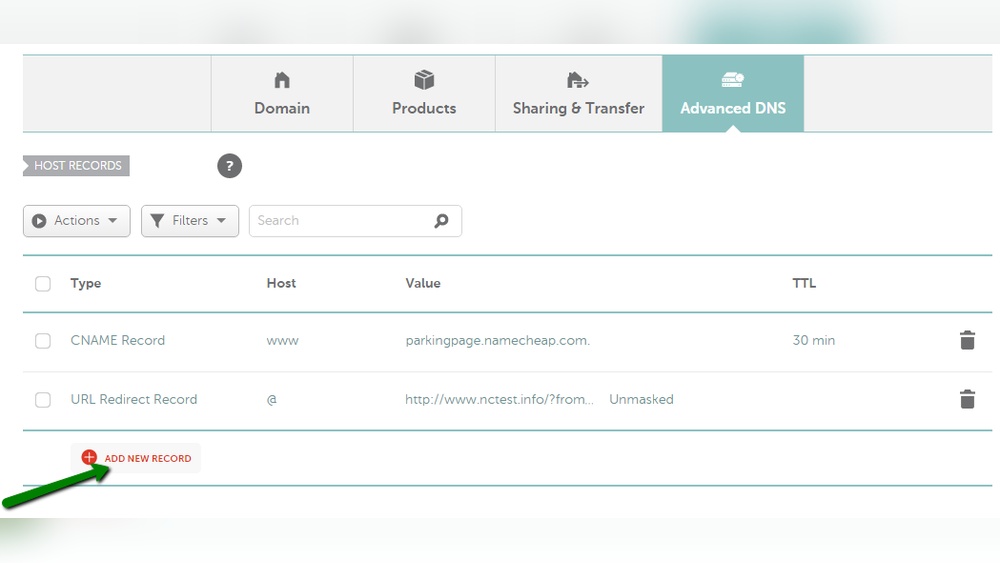
Have you ever wondered what exactly a host domain means and why it matters to your website? Understanding this simple term can unlock the secret to making your website easier to find and more reliable.
If you want your online presence to stand out and work smoothly, knowing about host domains is a must. Keep reading, and you’ll discover how this one concept can make a big difference for your site’s success.
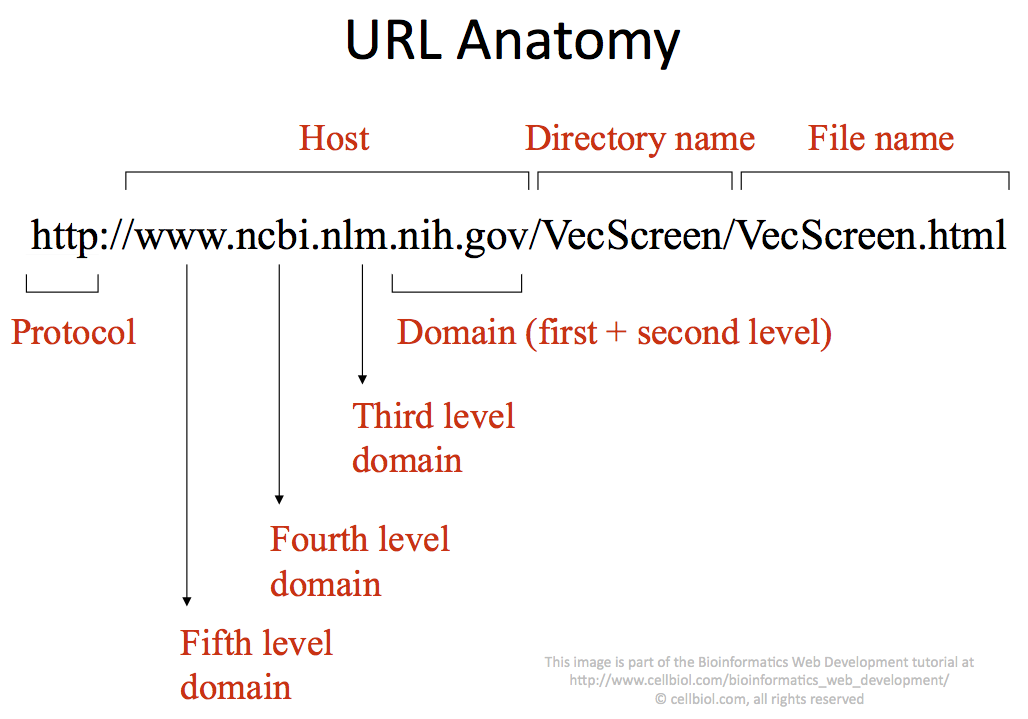
Credit: www.cellbiol.com
Host Domain Basics
Understanding host domain basics is key to grasping how websites work. A host domain helps identify and locate web pages on the internet. It acts like an address, guiding users to the right online destination.
Knowing these basics simplifies managing websites and choosing the right domain for your needs.
Domain Name Components
A domain name has several parts. The main part is the host name, often called the subdomain. Next is the second-level domain, which is the main website name. The last part is the top-level domain, like .com or .org.
Each part plays a role in making the full web address unique and easy to remember.
Role Of Host In Domains
The host directs web traffic to the right computer or server. It tells the internet where to find your website files. Without a host, your domain name would not connect to any content online.
Hosts can also provide extra services like email and security features tied to your domain.
Types Of Host Domains
Host domains come in different types. A primary host domain is the main address of a website. A subdomain is a prefix added before the main domain, used to separate parts of a website.
There are also dynamic and static host domains, which differ by how they handle internet addresses over time.
How Host Domains Work
Understanding how host domains work helps you see how websites appear online. A host domain links a website name to its digital location. It makes websites easy to find and use.
This process involves several key parts working together smoothly. Let’s explore the main steps that make host domains function.
Domain Name System (dns) Role
The Domain Name System acts like the internet’s phonebook. It translates website names into numbers computers understand. Without DNS, you would need to remember long numbers to visit sites. DNS makes typing simple names possible.
Ip Address Mapping
Every device on the internet has an IP address, a unique number. Host domains link website names to these IP addresses. This mapping directs your browser to the right computer hosting the site. It ensures you reach the correct destination online.
Hosting Servers Explained
Hosting servers store all website files and data. When you type a domain, the server sends the site content to your browser. These servers run 24/7, keeping websites available anytime. They are the backbone of online presence.
Choosing A Host Domain
Choosing a host domain is an important step in creating a website. It affects your website’s speed, security, and availability. Picking the right host domain helps your site run smoothly and reach your audience effectively. This section covers key points to help you make a good choice.
Factors To Consider
Check the hosting provider’s uptime guarantee. A higher uptime means your site stays online more. Look for fast server speed to give visitors a better experience. Consider security features like SSL certificates and backups. Think about customer support—24/7 help is best. Also, check if the hosting plan fits your budget and site size.
Popular Hosting Providers
Many hosting providers offer reliable services. Bluehost, SiteGround, and HostGator are well-known options. They provide easy setup and good support. Some specialize in WordPress hosting for bloggers. Others offer shared, VPS, or dedicated hosting plans. Choose one that fits your technical needs and budget.
Domain Registration Process
Registering a domain is simple and quick. First, pick a unique domain name that matches your brand. Check if the name is available using a domain search tool. Then, choose a registrar to buy your domain. Provide your contact details and pay the registration fee. Finally, link your domain to your hosting provider to start building your site.

Credit: en.wikipedia.org
Common Host Domain Issues
Host domain issues can disrupt your website’s performance and accessibility. These problems affect how visitors reach your site. Understanding common issues helps you fix them fast. Here are some of the most frequent host domain problems and what they mean.
Dns Errors
DNS errors happen when the domain name system fails to translate your domain into an IP address. This stops browsers from finding your website. DNS problems may arise due to incorrect settings or server outages. Fixing DNS errors ensures visitors can access your site without trouble.
Domain Expiration
Domains need regular renewal to stay active. Expired domains make your website go offline. Missing renewal notifications often cause expiration. Check your domain status often and renew it on time. This keeps your website live and avoids losing your domain name.
Security Concerns
Host domains are common targets for hackers and malware. Weak security can lead to data theft or site defacement. Use strong passwords and enable SSL certificates. Regular updates and monitoring protect your domain from threats and keep your site safe.
Advanced Host Domain Concepts
Advanced host domain concepts help you manage websites better. These ideas go beyond simple domain names. They give control over how your website works and how visitors find it. Understanding these concepts improves your online presence.
Subdomains And Their Uses
Subdomains are parts of a main domain. They come before the main domain name. For example, blog.example.com is a subdomain of example.com. Subdomains help organize different sections of a website. You can use them for blogs, shops, or forums. They keep content separate but connected.
Domain Forwarding
Domain forwarding sends visitors from one domain to another. It helps if you have multiple domains. For example, example.net can forward to example.com. This way, visitors reach the right website easily. Forwarding saves money and time on creating new sites.
Ssl Certificates And Hosting
SSL certificates protect data on your website. They create a secure connection between visitors and the server. Hosting providers often include SSL certificates. This improves trust and boosts search engine ranking. Websites with SSL show a padlock icon in browsers.
Credit: mailmeteor.com
Frequently Asked Questions
What Is A Host Domain In Web Hosting?
A host domain is the main address linked to your web hosting server. It directs visitors to your website’s files stored online. This domain acts as the gateway to access your website on the internet quickly and securely.
How Does A Host Domain Differ From A Domain Name?
A host domain specifically refers to the domain linked to a hosting service. A domain name is a general website address. The host domain is the domain used to manage and store website content on a server.
Why Is A Host Domain Important For Websites?
A host domain connects your website to a web server, making it accessible online. Without a host domain, users cannot find or visit your site. It ensures your website runs smoothly and is available 24/7.
Can I Use Any Domain As My Host Domain?
Yes, you can use any domain you own as your host domain. You need to link it to your hosting provider by updating DNS settings. This connection allows your domain to serve your website content.
Conclusion
Understanding what a host domain means helps you grasp how websites work. It shows where a website lives on the internet. Each host domain has a unique name that makes it easy to find. Knowing this term can help you choose the right web address.
It also helps in setting up emails and online services. Now, you can better understand website addresses and their purpose. Simple but important. This knowledge is useful for anyone using the web.


