
Have you ever wondered what the buzz around “headless WordPress” is all about? If you’re curious about how this innovative approach could transform your website, you’re in the right place.
Imagine having the flexibility to create a super-fast, dynamic site without being tied down by traditional limitations. Sounds exciting, right? Headless WordPress is changing the way we think about web design, providing a powerful solution that separates the front-end from the back-end, offering you greater control and customization.
As we dive deeper into this fascinating topic, you’ll discover how you can leverage headless WordPress to enhance your site’s performance, improve user experience, and future-proof your digital presence. Ready to explore the future of website development? Let’s get started!
Credit: www.clariontech.com
Headless WordPress Basics
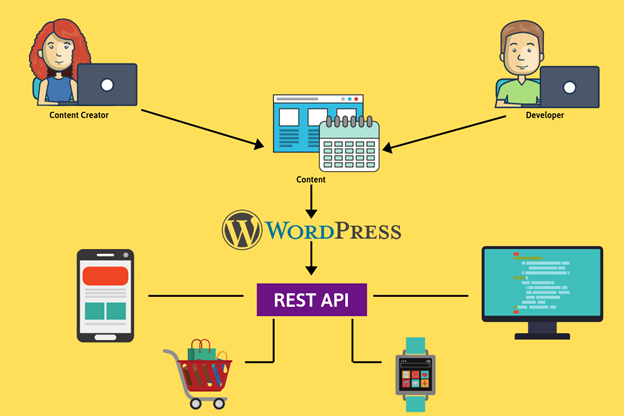
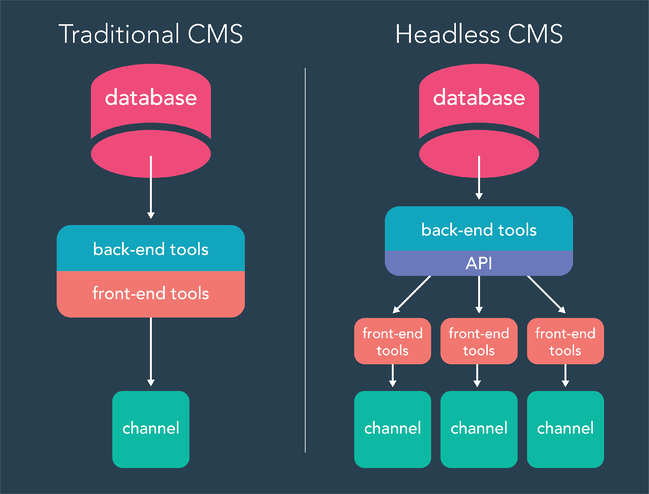
Traditional WordPress is simple. It manages both content and display. Headless WordPress separates these parts. Content lives in WordPress. The display is handled elsewhere. Developers like this flexibility. It allows them to use different technologies.
Traditional WordPress themes are limiting. Headless architecture breaks these limits. Designers can create unique websites. They are not bound by WordPress themes. This approach suits modern web needs. It offers more freedom and control.
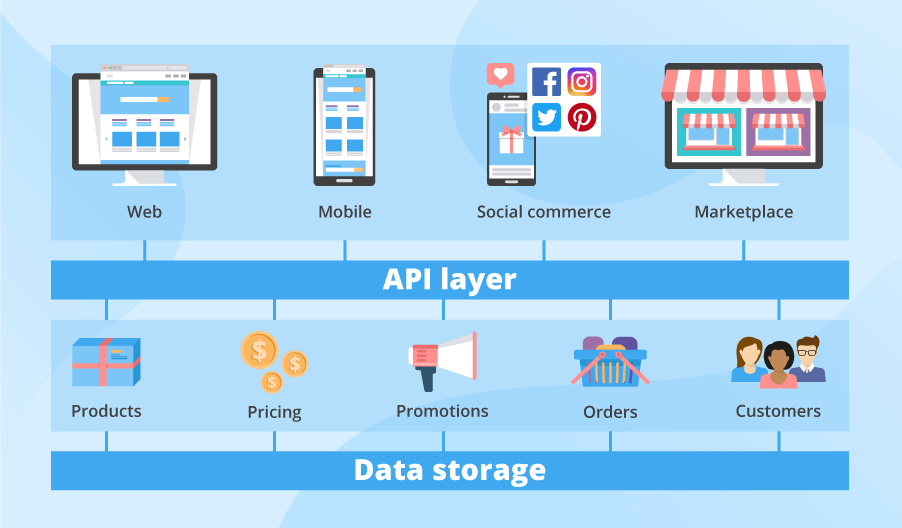
Headless WordPress uses APIs to share content. The API sends data to different devices. This ensures content is consistent everywhere. You can use any programming language. This makes headless WordPress very versatile.
Security improves with headless systems. Hackers find fewer entry points. The display layer stays separate from WordPress. This means less risk. The system is more secure overall. Headless architecture supports modern web standards. It adapts easily to new trends.
Benefits Of Going Headless
Headless WordPress boosts speed. Fast sites keep visitors happy. Pages load quickly. Users enjoy browsing. Less waiting time means more clicks. Performance matters. Search engines love fast sites. Better rankings follow. Everyone wins.
Security is tighter with headless setups. Hackers find fewer entry points. Attacks are harder to pull off. Data stays safe. No CMS vulnerabilities. Peace of mind for site owners. Protect sensitive information. Users trust secure sites.
Scaling is simple with headless WordPress. Add new features easily. Handle more traffic without stress. Grow your website smoothly. No limits on creativity. Expand as needed. Flexible solutions for modern needs. Future-proof your site.
Headless WordPress Use Cases
Content-heavy websites need to load fast. Headless WordPress helps with this. It separates the front-end from the back-end. This makes pages load quicker. Users get content fast. This is important for news sites and magazines. It keeps visitors happy. More visits mean more success.
Multi-platform publishing is a big task. Content needs to go everywhere. Headless WordPress makes it easy. Content is created once. Then shared on many platforms. This includes websites, apps, and social media. It saves time and effort. One click, many places. Simple and effective.
Many sites have mobile apps. They need to connect well. Headless WordPress is a good choice. It allows data to flow easily. The app and site stay linked. Users get a smooth experience. Everything works in harmony. The app feels like the website. Consistent and user-friendly.
Implementing Headless WordPress
Picking the correct tools is very important. Headless WordPress needs special tools. They help manage the website better. Some tools help connect WordPress with other services. Other tools help display content. Choose tools that are easy to use. They should fit your needs. Good tools make work simple. They save time and effort.
APIs link WordPress to other systems. API connections are like bridges. They let data move easily. First, set up the API key. This key is like a password. It keeps the data safe. Next, test the connection. Make sure it works well. Troubleshoot if there are problems. A good connection speeds up work.
Content should be easy to manage. Efficient content management saves time. Use WordPress features for this. Organize posts and pages well. Use tags and categories. They help find content fast. Update content often. Keep it fresh and useful. Good management makes content appealing. Users find what they need quickly.
Challenges And Considerations
Headless WordPress offers flexibility but presents challenges in managing content and ensuring seamless integration. Developers must consider security, performance, and user experience while implementing this approach. Proper planning is crucial to handle these complexities effectively.
Technical Complexity
Headless WordPress can be complex. Developers need new skills. Knowledge of APIs and JavaScript is crucial. Setting up the backend and frontend separately requires expertise. It involves more steps than traditional WordPress. Troubleshooting can be more challenging too. Proper documentation is essential. Regular updates must be managed carefully. Without skills, it can lead to errors.
Seo Implications
SEO might get tricky. Traditional plugins may not work. Custom solutions are often needed. The SEO setup can be time-consuming. Ensuring fast loading times is crucial. Proper URL structure must be maintained. Rich meta tags are vital for SEO. Developers should focus on mobile optimization. Content needs to be search engine friendly. Monitoring SEO regularly helps.
Content Management Strategies
Content management is different. Editors may face challenges. Familiar tools might not be available. A new interface can be confusing. Training might be required for teams. Managing media files needs careful planning. Content scheduling can be a task. Collaboration tools are important. A clear strategy must be developed. User roles should be defined clearly.
Credit: wedevs.com
Future Of Headless WordPress
Web development is changing fast. Headless WordPress is part of this change. Developers use it to make websites faster. It separates content from the design. This means you can update content easily. Many businesses like this flexibility. More tools are now available to support headless WordPress. This trend will continue to grow. Everyone wants their site to load quickly. They also want a great user experience.
Headless WordPress plays a big role in digital transformation. Companies are moving online. They need websites that work on all devices. Headless WordPress helps with this. It allows businesses to share content everywhere. This is good for reaching more people. Digital transformation needs speed and flexibility. Headless WordPress offers these features. Businesses can adapt quickly to market changes.
More companies will adopt headless WordPress. It offers many benefits. Easy content management is important. Faster websites attract more visitors. Developers prefer its flexibility. Businesses want to stay competitive. Headless WordPress helps them achieve this. Adoption rates are expected to rise. Companies will invest more in this technology. Future trends will support its growth.
Credit: blog.hubspot.com
Frequently Asked Questions
What Is Headless WordPress?
Headless WordPress is a setup where WordPress is used only as a content management system. The front-end is built separately using technologies like React or Vue. js. This architecture allows for greater flexibility, faster performance, and easier integration with other platforms and services.
Why Choose Headless WordPress Over Traditional?
Choosing headless WordPress offers benefits like improved website speed and flexibility. Developers can use modern frameworks for better user experiences. It allows seamless integration with various APIs and services, enhancing functionality. This approach is ideal for complex projects requiring custom solutions.
How Does Headless WordPress Work?
Headless WordPress works by separating the back-end from the front-end. WordPress manages content, while the front-end fetches data using REST API or GraphQL. Developers build the front-end using JavaScript frameworks, allowing faster, more dynamic user interfaces. This separation enhances performance and scalability.
Can I Convert My Existing WordPress Site?
Yes, you can convert an existing WordPress site to headless. It involves setting up a separate front-end and connecting it to your WordPress backend via APIs. This transition requires technical expertise to ensure proper integration and functionality across all site elements.
Conclusion
Headless WordPress offers flexibility and modern development. It separates front-end and back-end. This means faster load times and better performance. Developers enjoy more freedom in design. Content creators still use the familiar WordPress dashboard. It’s a win for both worlds.
Businesses can create unique user experiences. This approach suits sites with complex needs. It might not be for everyone, though. Simpler sites might not need this setup. Always assess your specific requirements. Choose the best solution for your goals. Headless WordPress is an exciting option for many.
Explore it if you seek innovation and adaptability.


