
Imagine you’re setting up a new website, ready to share your passion, ideas, or business with the world. You’ve chosen a catchy domain name and designed a stunning layout.
But then, you encounter a term that might sound a bit technical: bandwidth. What does bandwidth mean in web hosting, and why is it essential for your website? Understanding bandwidth can be the key to ensuring your site runs smoothly and provides a seamless experience for your visitors.
We’ll break down the concept of bandwidth in web hosting into simple terms. You’ll discover how it affects your website’s performance, why it matters for your online success, and how to choose the right amount for your needs. Stay with us, and you’ll gain insights that could make all the difference for your website.
Understanding Bandwidth
Bandwidth is the amount of data your website can send. It is like a road for your website. More bandwidth means more cars can pass. Less bandwidth means traffic jams. Websites need enough bandwidth to work well. If too many people visit, the site may slow down. Or even stop working. This is why bandwidth is very important. Hosting plans often limit bandwidth. Choose a plan with enough bandwidth for your site. Watch your site’s traffic. If it grows, you may need more. Look at your hosting plan often. Make sure it fits your needs. This keeps your website running smoothly.
Bandwidth Vs. Data Transfer
Bandwidth is like a highway. It shows how much data can travel. Data transfer is the cars on this highway. It measures the actual data moving. Imagine a wide road with few cars. That’s high bandwidth with low data transfer. Narrow roads with many cars can cause traffic jams. This is low bandwidth with high data transfer. Web hosting uses bandwidth to show its speed. Faster bandwidth means quicker website loads. If bandwidth is too low, websites might slow down. Choosing the right bandwidth is crucial.
How Bandwidth Affects Website Performance
Bandwidth is like a road for data. More bandwidth means more cars can travel on it. This affects how fast your website loads. If your site has low bandwidth, it may become slow. Many visitors will leave if a site is slow. The site might crash if too many people visit at once. High bandwidth allows more visitors without slowing down. It ensures smooth and fast user experience. This is crucial for businesses. A fast site keeps visitors happy. It also helps with search engine rankings.

Credit: www.cloudways.com
Calculating Your Bandwidth Needs
Bandwidth is the amount of data your site uses. It is like a pipe. A big pipe moves more water. A small pipe moves less. Websites work the same way. More visitors need more bandwidth. Less visitors need less bandwidth.
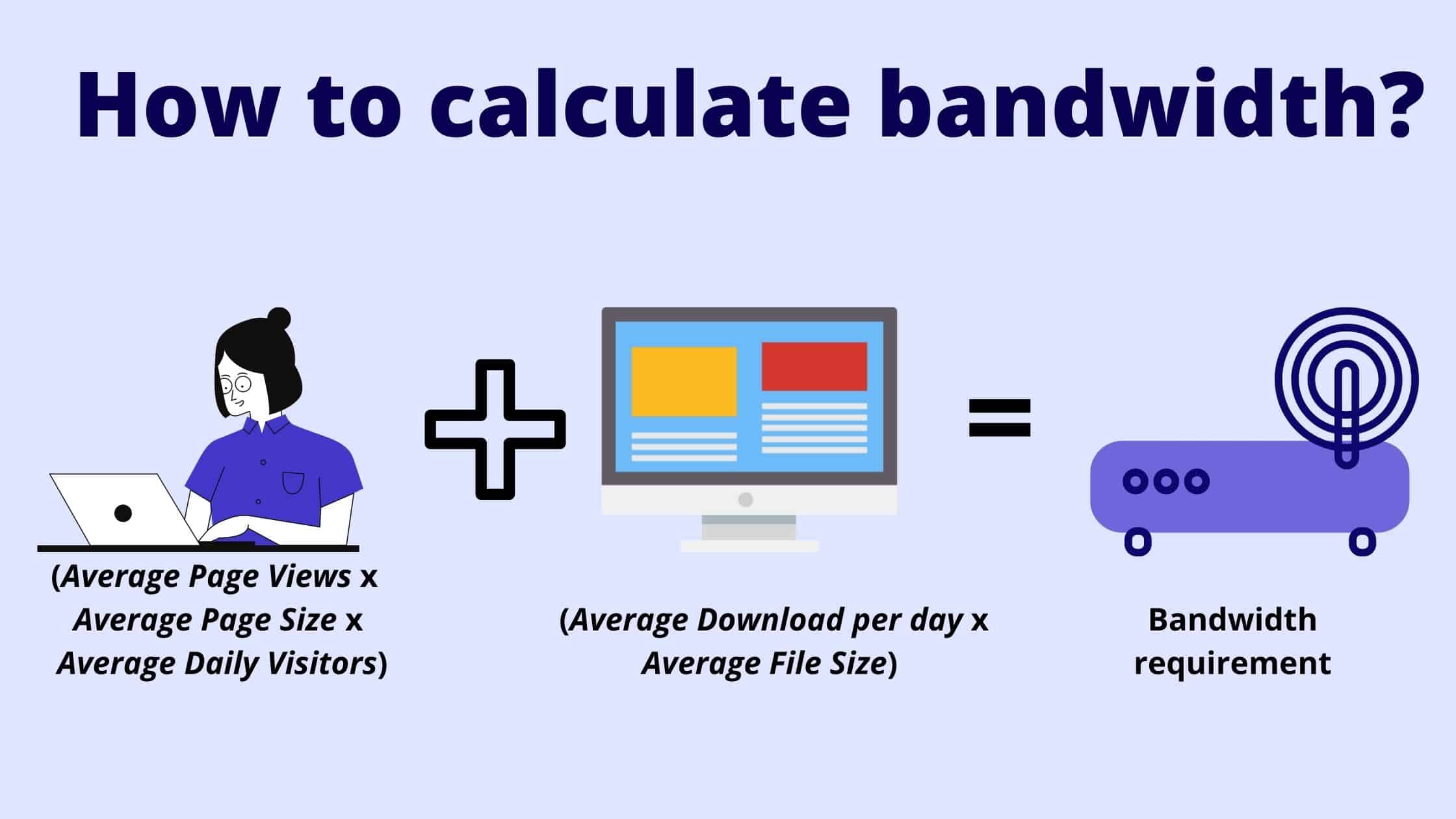
To calculate bandwidth, you need three things. First, find out the average page size. Second, know the number of visitors. Third, estimate the pages they visit. Multiply these numbers. This gives a rough idea of your needs.
Let’s say your page size is 1 MB. You have 1000 visitors. Each visitor views 5 pages. Multiply 1 MB by 1000 and then by 5. Your bandwidth will be 5000 MB or 5 GB.
Remember, more content means bigger page size. More visitors need more bandwidth. Keep an eye on these numbers regularly.
Tips For Managing Bandwidth
Compress images to save space. Smaller files mean faster loads. Use simple layouts. They need less data. Reduce video quality. It saves bandwidth too. Limit auto-play features. They use extra data quickly.
Store data locally. It speeds up repeat visits. Use browser cache settings. They help save data. Cached content loads faster. This helps reduce server load. Users enjoy quicker sites.
CDNs spread content worldwide. This reduces distance to users. Faster access means less bandwidth use. They handle many requests at once. This keeps your site stable. Users enjoy a smoother experience.
Credit: kripeshadwani.com
Choosing The Right Hosting Plan
Shared hosting means sharing a server with others. It’s good for beginners. Costs are low. Resources are limited. Speed may vary. Good for small sites.
VPS stands for Virtual Private Server. More control than shared hosting. Resources are allocated just for you. Cost is higher but worth it. Ideal for medium-sized websites.
Dedicated hosting means having your own server. Most control and resources. Best for large sites with many visitors. Expensive but offers top performance.
Cloud hosting uses many servers. Flexible and scalable. Good for growing websites. Pay for what you use. Reliable with less downtime.
Common Bandwidth Myths
Some people think bandwidth is the same as speed. Bandwidth is how much data your site can use. Speed is how fast data moves. They are not the same thing. Websites need more bandwidth when many people visit. This means more data is used.
Another myth is unlimited bandwidth. Unlimited bandwidth is not real. Hosts have limits on their servers. Too much use slows down the website. Understanding bandwidth helps in choosing the right plan.
Some think bandwidth is not important. Bandwidth is very important for big websites. More images and videos need more bandwidth. Choosing the right bandwidth keeps the website running smoothly.
Monitoring Bandwidth Usage
Keeping track of bandwidth usage is important. Many tools can help with this. Some popular ones are Google Analytics and cPanel. These tools show how much data is used. They are easy to use and understand. You can see charts and numbers. This helps in managing your website better. Using these tools, you can avoid overuse and charges.
Alerts are like reminders. They help you know if you use too much data. You can set these alerts in your hosting control panel. Choose a limit for your data usage. When you reach this limit, the alert will warn you. This helps in keeping data costs low. It also helps in maintaining website speed. Alerts are helpful tools for managing your website.
Future Trends In Bandwidth
Bandwidth is important for web hosting. It shows how much data can move. The future is all about faster speeds. 5G technology will make things quicker. People want instant access to websites. More devices connect to the internet now. This means more bandwidth is needed. Cloud services also need high bandwidth. Streaming is popular today. It uses a lot of data. Websites must handle large traffic smoothly. Security is vital too. High bandwidth helps secure data transfer. Artificial Intelligence needs quick data access. Businesses will need better plans for bandwidth. They must keep up with demand.

Credit: www.elegantthemes.com
Frequently Asked Questions
What Is Bandwidth In Web Hosting?
Bandwidth in web hosting refers to the data transfer capacity of a website. It determines how much information can be sent and received by users. Higher bandwidth supports more traffic, ensuring faster loading times and a smoother user experience. It’s crucial for maintaining website performance during peak usage times.
What Is Good Bandwidth For A Website?
Website bandwidth needs vary by traffic and features. Generally, 10-100 Mbps is sufficient for small to medium sites. High-traffic sites may require more. Choose a plan that allows for flexibility and scalability. Monitor your site’s performance to ensure it meets user needs effectively.
How Much Bandwidth Do I Need To Host A Website?
Bandwidth needs depend on website size and traffic. Small sites require 10GB to 50GB monthly. High-traffic sites or multimedia content may need more. Calculate usage by considering visitor count and data transfer. Start with a hosting plan that offers flexibility to upgrade as your site grows.
Is 100gb Bandwidth Enough For A Website?
100GB bandwidth is usually sufficient for small to medium websites. It supports moderate traffic and media content. Large sites with heavy traffic may require more. Monitor usage regularly to ensure it meets your needs.
Conclusion
Understanding bandwidth is key for choosing the right web hosting. It affects website speed and user experience. High bandwidth ensures smooth traffic handling. Low bandwidth can slow down your site. Evaluate your website needs carefully. Consider both current and future traffic.
This helps you select the best hosting plan. Remember, a balanced choice ensures your website runs smoothly. A good hosting plan enhances user satisfaction. Always keep an eye on your website’s performance. Make adjustments when needed. This will help maintain optimal speed and availability.
Happy hosting!


