
Imagine you’ve just crafted the perfect website. Your design is flawless, your content is captivating, and your vision is clear.
But there’s one crucial piece missing: how do you get your masterpiece in front of the world? This is where a web hosting service steps in. You might be wondering what exactly these services offer and why they are essential for your online presence.
By understanding this, you can unlock the full potential of your website, ensuring it reaches your audience seamlessly and efficiently. Dive into this article and discover the hidden powers behind web hosting services. Learn how they can transform your website from a dream to a reality, and why choosing the right one is the key to your online success.
Types Of Web Hosting Services
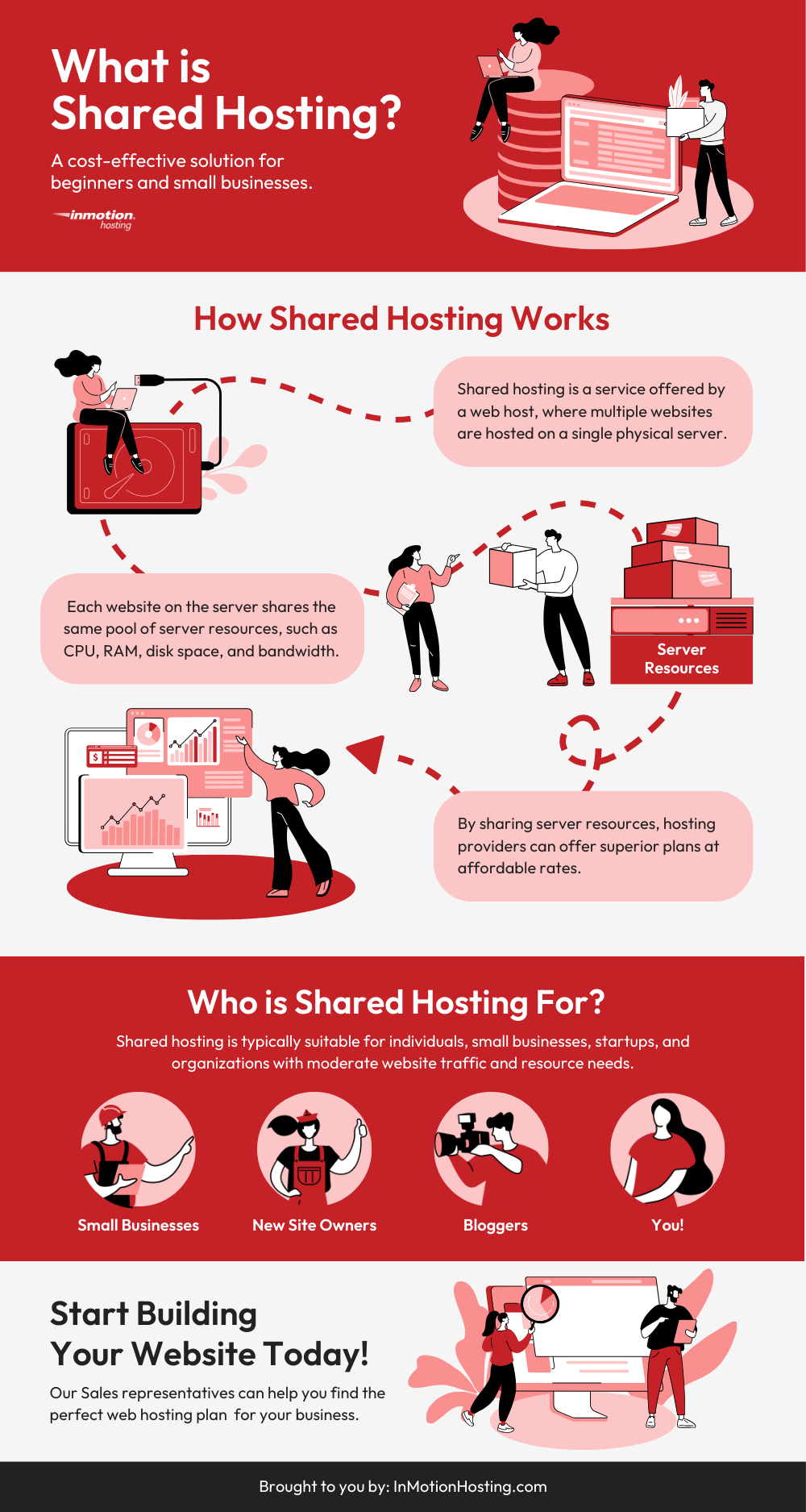
Shared hosting is a popular choice for beginners. Many users share the same server. This keeps the cost low. Users have limited control. Perfect for small websites.
VPS stands for Virtual Private Server. Offers more space and control. Users get a private section of the server. It’s more secure than shared hosting. Ideal for growing sites.
Dedicated hosting gives users the entire server. Offers complete control. Great for large websites with high traffic. Higher costs but better performance.
Cloud hosting uses multiple servers. Resources scale with demand. This means more reliability. Perfect for businesses needing flexibility. Pay for what you use.
Managed hosting includes support services. Professionals handle technical tasks. Users focus on content. It’s great for non-tech users. Offers peace of mind.
Credit: www.inmotionhosting.com
Essential Features Offered
Web hosting services provide bandwidth and storage for websites. Bandwidth is the data sent and received. Storage is the space to save files. More bandwidth means faster websites. More storage allows more files or pages. Choose wisely to suit your needs.
Uptime is the time a website is up. Good hosts offer 99% uptime. This means less downtime. Reliability ensures your site stays live. Pick hosts with strong uptime records. This keeps your site always available.
Websites need security to protect data. Hosts offer firewalls and SSL certificates. These tools keep data safe from hackers. Regular backups are also important. Security measures build trust with users.
A control panel helps manage your site. It is easy to use. You can set up emails, manage files, and more. Popular panels include cPanel and Plesk. They make tasks simple and fast.
Additional Services
Web hosting services offer more than just server space. They provide security features like SSL certificates to protect data. Users can also access email hosting, domain registration, and technical support for seamless website management.
Domain Registration
Web hosting services often provide domain registration. This allows users to choose a unique domain name. A domain name is the web address of your site. Hosting services can help secure your desired name. They simplify the process for users. It is often the first step in building a website.
Email Hosting
Many services offer email hosting as part of their package. This lets users create professional email addresses. These addresses match their domain name. Email hosting ensures reliable communication. It adds credibility to your business. It helps users manage emails efficiently.
Ssl Certificates
SSL certificates are essential for website security. They encrypt data between the server and browser. Hosting services provide SSL certificates to protect user information. SSL certificates build trust with visitors. They ensure safe browsing on your site.
Site Backup Solutions
Site backup solutions help keep your data safe. They automatically save copies of your site. Hosting services offer various backup plans. Backups protect against data loss. Users can restore their site easily if needed. Backup solutions offer peace of mind.

Credit: umbrex.com
Customer Support And Assistance
Web hosting services give help every hour. Day or night. Problems can be fixed fast. No need to wait. A friendly voice is always there. Ready to assist.
Knowledge bases have many articles. They help you learn quickly. Tutorials show step-by-step guides. Easy to follow. You learn fast.
Community forums are full of users. Everyone shares ideas. Questions get answered by others. You feel part of a group. Help is always near.
Pricing And Plans
Free hosting has basic features. Limited storage and bandwidth. Paid services offer more. More storage, faster speed, and better support. Free plans may show ads. Paid plans are ad-free. Paid hosting is better for businesses. Free is good for small sites.
Web hosting offers monthly and annual plans. Monthly plans are flexible. Easy to switch or cancel. Annual plans save money. Often cheaper than monthly plans. Choose what fits your needs best. Long-term plans are good for stable websites. Monthly plans suit short-term projects.
Some hosting plans have hidden costs. Check for setup fees. Look for extra charges for backups. Domain registration might cost extra. SSL certificates might not be included. Read the fine print carefully. Understand what you pay for. Avoid surprises later.

Credit: www.bluehost.com
Choosing The Right Web Hosting Service
First, think about what your website needs. Do you need a lot of storage space? Or maybe high speed for many visitors? Some websites need special features like databases or e-commerce tools. Make a list of what is important. This helps in picking the right service.
Look at different web hosting providers. Check what they offer. Some give unlimited bandwidth, while others offer free domain names. Compare their prices and features. Some might have better support or more reliable servers. It’s important to choose wisely.
Reviews can tell a lot about a service. Read what other users say. Good reviews mean happy users. Bad reviews can signal problems. Testimonials help you see real experiences. They guide you in choosing a trustworthy provider.
Frequently Asked Questions
What Does A Web Host Provide?
A web host provides server space, website security, domain management, email accounts, and technical support to host your website.
What Does Hosting Company Offer?
A hosting company provides server space for websites. They offer domain registration, email accounts, and technical support. Hosting plans vary by storage, bandwidth, and features. Some include security, backups, and website builders. Customers can choose shared, VPS, or dedicated hosting based on their needs.
What Are The Responsibilities Of Web Hosting?
Web hosting provides server space, ensures website uptime, offers security measures, and manages data backups. It supports technical issues, handles domain management, and maintains server performance. Hosting providers also offer customer support and scalability options, ensuring websites run smoothly and efficiently for users.
How Much Do I Pay To Host A Website?
Website hosting costs vary based on provider and plan. Basic hosting starts at $3-$10 monthly. Advanced plans with extra features can reach $100 or more per month. Additional costs may include domain registration, SSL certificates, and site management services. Always compare hosting providers to find the best value.
Conclusion
Web hosting services provide essential support for websites. They ensure websites stay online and accessible. Security features protect your data from threats. Reliable support teams assist with any issues. Different plans fit various needs and budgets. Choosing the right host enhances your website’s performance.
It also affects user experience positively. Consider your requirements before deciding. A good host boosts your website’s efficiency. This leads to satisfied visitors and better results.


