
Have you ever wondered what makes your favorite website pop up on your screen so smoothly? It’s all thanks to web hosting services.
When you click on a link, type a URL, or search for something online, web hosting is the invisible engine that powers your browsing experience. But what exactly does a web hosting service do, and why should it matter to you?
Whether you’re launching a new blog, building an online store, or just curious about the digital world, understanding web hosting is key to your success. We’re going to unravel the mysteries of web hosting, revealing how it works and how it can transform your online presence. Dive in, and discover why choosing the right web hosting service could be the game-changer you’ve been looking for.

Credit: chrisgidds.com
Types Of Web Hosting
Shared hosting is a simple start for websites. Many sites share one server. This makes it cheaper. Resources like memory and CPU are shared. Perfect for small sites or blogs. Limited control over server settings. Easy to use for beginners. Great for those on a budget.
VPS offers more control than shared hosting. It acts like a mini-server. Resources are divided among users. More secure and flexible. Costs more than shared hosting. Suitable for growing sites. Good for users needing specific settings. Offers more privacy and security.
Dedicated hosting gives full control. You get your own server. No sharing with others. Best for large sites. Offers top performance and security. More expensive than other types. Ideal for businesses needing high traffic. Allows custom software and settings.
Cloud hosting uses many servers. Resources are spread across these servers. Handles sudden traffic spikes well. More flexible than other types. Pay for what you use. Offers good scalability. Suitable for sites with changing traffic. Reliable and efficient.

Credit: www.linkedin.com
Core Functions Of Web Hosting
Domain Management is key for web hosting. It helps you manage your website’s name. You can buy, renew, or transfer domains. This makes your site easy to find.
Data Storage is where your site files live. Web hosts store these files safely. They keep your pictures, texts, and videos. You can access them anytime.
Bandwidth Allocation controls how much data moves. It affects how fast your site loads. More bandwidth means better speed. Web hosts manage this for you.
Technical Support And Maintenance
24/7 customer support is crucial for web hosting. Problems can happen any time. With round-the-clock support, help is always available. This ensures that websites run smoothly without long downtimes.
Regular backups keep data safe. Sometimes, things go wrong, and data is lost. With regular backups, data can be restored easily. This protects important information from being lost forever.
Security measures guard against threats. Websites face risks from hackers and viruses. With strong security, these threats are reduced. This keeps websites and their data safe.
Choosing The Right Web Hosting Service
Begin by understanding your website needs. Is it a blog or a store? Different sites need different resources. Look at the budget too. Some services cost more. Others are cheaper. Find a balance between features and price. This helps in making a smart choice.
A good host should be fast and reliable. Websites should load quickly. Slow sites lose visitors. Check uptime guarantees. This tells how often the site stays online. Aim for a host with 99% uptime or better. A reliable host keeps your site running.
Think about future growth. Scalability means the host can grow with your site. Your site may need more resources later. Choose a host that lets you upgrade easily. This ensures your site can handle more visitors. Planning for growth is smart.
Common Challenges In Web Hosting
Websites can go offline due to downtime issues. This happens when servers fail. Visitors cannot see your site during this time. Businesses lose customers when this happens. Ensuring good server uptime is crucial.
Security vulnerabilities can harm websites. Hackers can attack through these holes. This puts data at risk. Protecting a site is very important. Regular updates can help prevent attacks. Using firewalls adds extra safety.
Resource limitations can slow down websites. Websites need enough resources to run well. Low resources can crash a site. This affects user experience. Upgrading plans can fix this issue. More storage and bandwidth help.
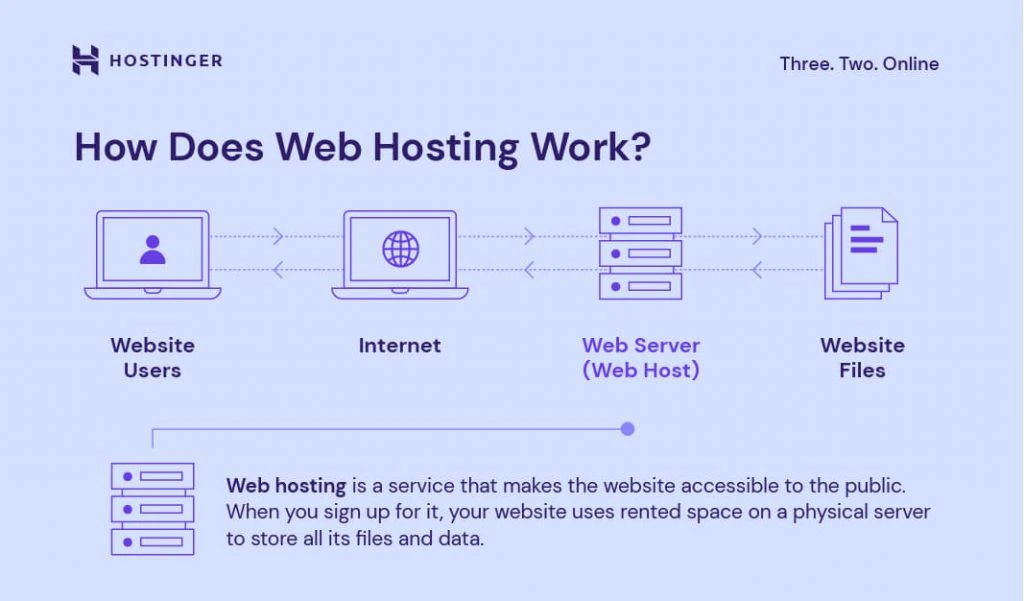
Credit: www.hostinger.com
Future Trends In Web Hosting
Web hosting services store websites and make them accessible online. Future trends might include faster speeds and better security. Cloud hosting could become more popular, offering flexibility and scalability.
Green Hosting
Web hosting uses a lot of energy. Green hosting helps save the planet. It uses renewable energy like wind or solar power. This type of hosting is eco-friendly. It reduces carbon footprints. Many companies prefer green hosting. It helps in making the world cleaner. Customers like businesses that care for nature. Green hosting is a growing trend. It is important for a better future.
Ai Integration
AI is smart. AI helps web hosting work better. It can fix problems fast. AI keeps websites safe. AI can save time and work. It learns from actions. It makes hosting cheaper and faster. Many companies use AI now. AI is important for web hosting. It makes hosting easy for everyone.
Increased Personalization
Web hosting can be personal. It gives users what they want. Users can choose their own settings. Hosting adapts to user needs. It offers custom options. Personalization makes users happy. It helps businesses grow. Users feel special with personal hosting. This trend will continue. It is important for better service.
Frequently Asked Questions
What Are Web Hosting Services Used For?
Web hosting services store and maintain website files on servers, making them accessible online. They provide essential resources like storage, bandwidth, and security, ensuring websites run efficiently. Reliable hosting enhances site performance and user experience. Choose the right web hosting to support your website’s needs and grow your online presence.
What Are The Responsibilities Of Web Hosting?
Web hosting provides server space, ensures uptime, manages security, offers backups, and supports technical issues. It facilitates domain management, handles data storage, and ensures website accessibility. Good web hosting enhances site speed and performance, ensuring reliable user access and satisfaction.
Do I Need A Web Hosting Service?
Yes, a web hosting service is essential for making your website accessible online. It stores your site’s files and ensures it runs smoothly. Without hosting, your site won’t be live on the internet. Choose a reliable provider for optimal performance and security.
How Much Do I Pay To Host A Website?
Website hosting costs vary, typically ranging from $3 to $300 monthly. Prices depend on factors like hosting type, features, and provider. Shared hosting is cheaper, while VPS and dedicated servers are pricier. Always compare plans and features to find the best value for your needs.
Conclusion
Web hosting services keep your website online. They store your site’s files. They provide server space and management. Choose the right service for your needs. Think about speed, support, and security. Check pricing and features. Reliable hosting enhances website performance.
It helps with search engine ranking. Visitors enjoy fast loading times. Your site’s security improves. A trusted host is essential for online success. Make an informed decision. Your website deserves the best care. Web hosting is vital in today’s digital world.
It’s more than just storage. It’s about building a strong online presence.


