
Imagine visiting a bustling marketplace. Each stall is filled with unique products and services, ready for eager customers.
In the digital world, your website is one of these stalls. But to ensure it stands sturdy and visible, you need a reliable web hosting provider. So, what does a web hosting provider do for you? They are the unseen force that powers your online presence, making sure your website is accessible to visitors around the globe.
Without them, your site would be like a shop without a location—lost in the vast internet wilderness. By understanding the role of a web hosting provider, you can make informed decisions that boost your site’s performance and reliability. Dive into this article to uncover the essential functions of web hosting providers and how they directly impact your website’s success. Your digital store is about to open its doors to the world; let’s ensure it’s ready to shine.
Credit: www.webopedia.com
Web Hosting Basics
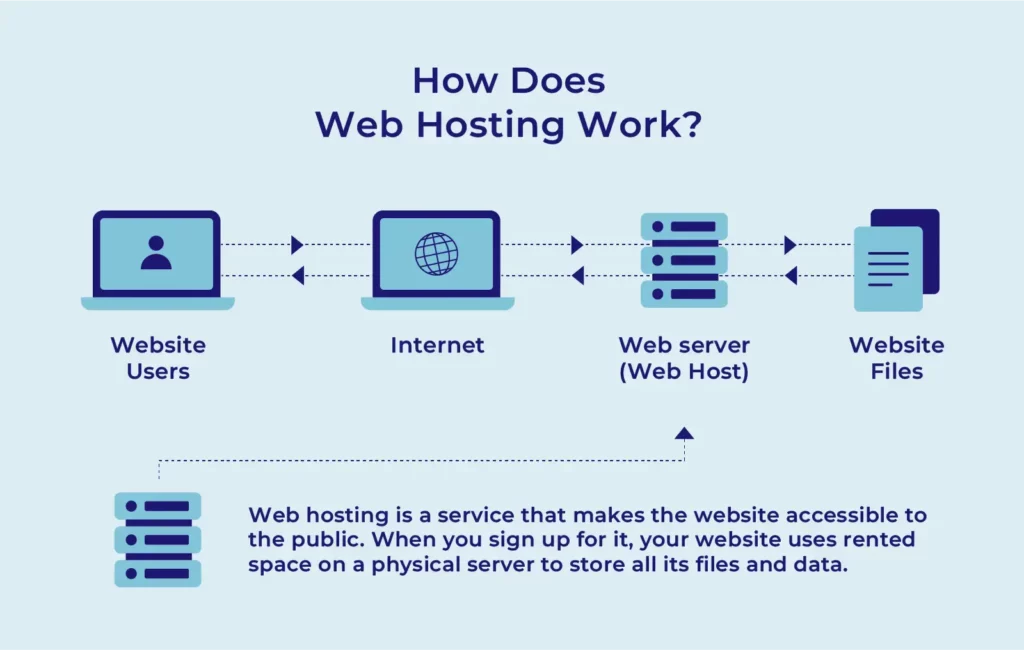
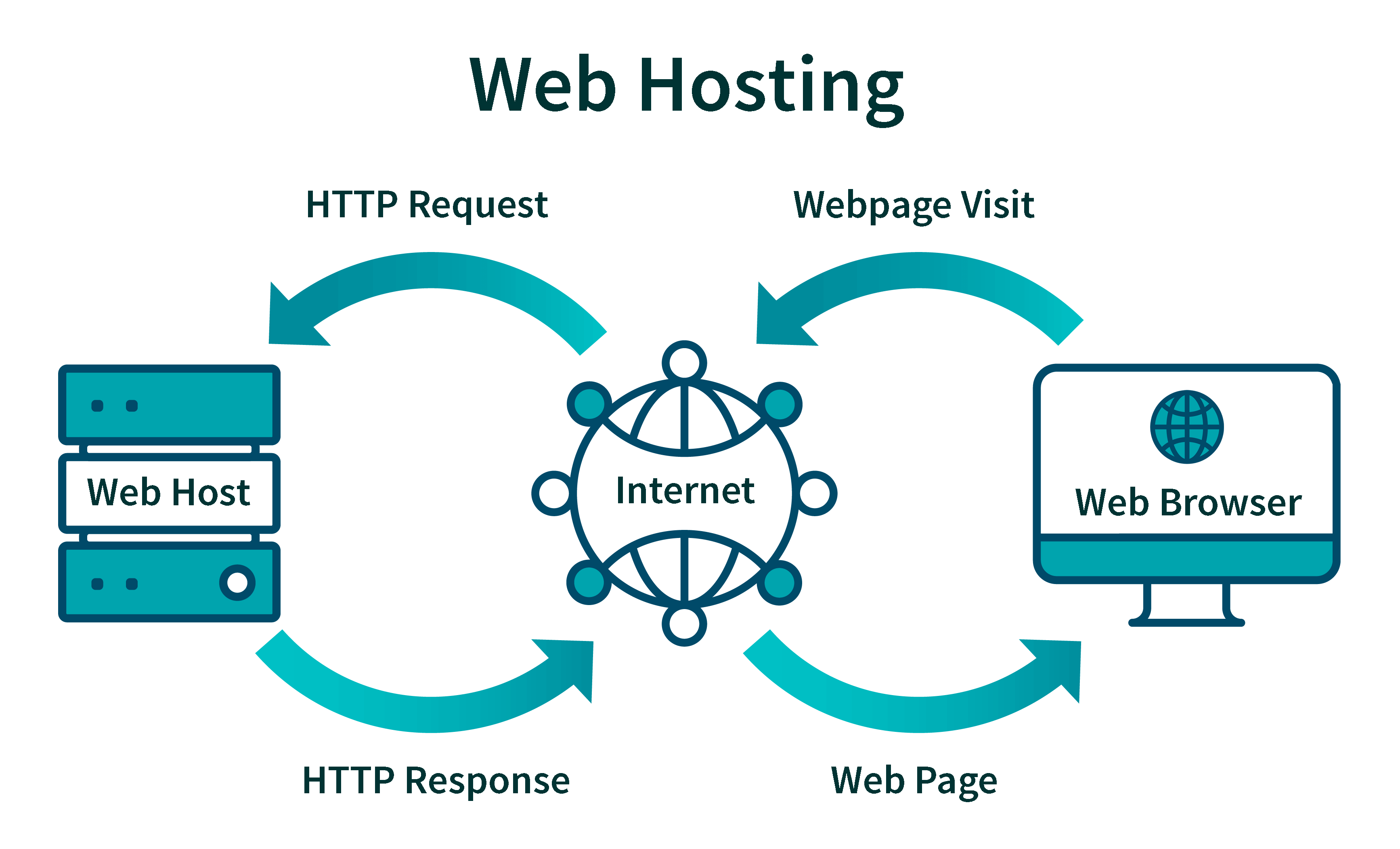
Web hosting is like renting a space on the internet. It allows people to show their websites to the world. Hosting providers give this space on special computers. These computers are called servers. They store website files and make them available online. Without hosting, websites cannot be seen by anyone. Hosting ensures that websites are safe and work well. Providers manage the servers and keep them running smoothly.
There are different types of hosting. Shared hosting is like sharing a room with others. Many websites use the same server. It’s cheap but can be slow. Dedicated hosting is like having your own house. Only one website uses the server. It’s fast but costs more. VPS hosting is a mix of both. It’s like having your own apartment in a big building. Cloud hosting uses many servers at once. It’s like having many houses connected together.
Key Functions Of A Web Hosting Provider
Web hosting providers keep servers running all the time. They make sure websites are accessible. If a server has an issue, they fix it quickly. They also manage server software and hardware. This ensures smooth performance. Servers need regular updates. Providers handle these updates. This keeps websites secure and fast.
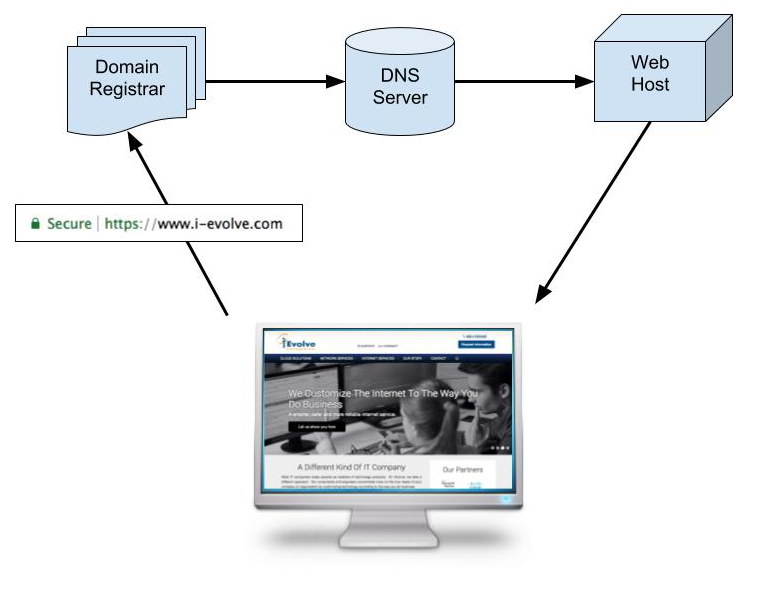
Web hosts help with domain names. They assist in registering new domains. A good domain name is important. It helps people find your site. Providers also help you renew domains. If a domain expires, the website may go offline. Keeping track of domain dates is important.
Security is key for websites. Web hosts provide firewalls to protect sites. They use SSL certificates for secure connections. These certificates keep data safe. Providers also offer regular backups. Backups are essential if data gets lost or corrupted. Security measures keep websites safe from hackers.
Good support is vital. Web hosts offer 24/7 support. This helps solve problems quickly. Support can be via phone, email, or chat. They answer questions about billing and technical issues. A helpful support team is a great resource. Customers feel confident with good support.
Types Of Web Hosting Services
Shared hosting is a popular choice. Many websites use the same server. This option is cost-effective. Perfect for small websites or beginners. Resources are shared among users. Sometimes, websites may load slower. If others on the server have high traffic. But for many, it’s enough.
VPS offers more control than shared hosting. You get a virtual space. Your space acts like a separate server. Though it’s still on a physical server. You can customize settings more. It’s great for growing websites. Also, better for sites with more traffic. Costs more than shared hosting.
Dedicated hosting means one server for your site. No sharing with others. Offers the best performance and security. Ideal for large businesses. Sites with huge traffic use it. But it comes at a higher cost. You have full control over the server. Can manage resources directly.
Cloud hosting uses many servers. Your website can use resources from them. Helps if one server fails. Others keep your site running. Offers scalability. Good for sites with fluctuating traffic. Costs vary based on usage. You pay for what you use. It’s flexible and reliable.
Factors To Consider When Choosing A Provider
Choosing a web hosting provider involves assessing their ability to store and manage your website data. Consider reliability, customer support, and pricing. Evaluate their uptime guarantee and security measures. Ensure they offer features that suit your needs.
Reliability And Uptime
Always check the provider’s reliability first. It’s important for your website to be up all the time. A good provider has at least 99.9% uptime. Websites with low uptime can lose visitors. This can make people upset and leave.
Performance And Speed
Websites must load fast. Slow websites make people leave. Choose a provider with good speed. Fast servers help your site run smoothly. This keeps visitors happy and coming back.
Pricing And Plans
Look at different plans and their prices. Some providers offer cheap plans. But check if they give good service too. Expensive plans may have more features. Pick the one that fits your needs and budget.
Scalability Options
Your website may grow with time. Choose a provider that offers scalability. This means you can add more space if needed. It’s great for growing websites. Make sure the provider can grow with you.
Common Challenges And Solutions
Web hosting providers manage server space, ensuring websites are accessible online. Challenges include slow loading times and downtime. Solutions involve regular server maintenance and efficient customer support to resolve issues quickly.
Downtime Issues
Downtime can be very frustrating for users. Websites may stop working. This happens due to server problems. Regular maintenance helps reduce downtime. Hosting providers monitor servers closely. They fix issues quickly. Backups ensure data safety. Users get websites online faster.
Security Concerns
Websites need protection from hackers. Hackers try to steal data. Hosting providers offer security tools. Tools include firewalls and encryption. These tools protect data. Providers update software regularly. Updates prevent security holes. Alerts warn users of threats. Fast response is key.
Technical Support Problems
Technical issues can confuse users. Users may face errors they can’t fix. Hosting providers offer support. Support teams help solve problems. Teams answer questions quickly. Live chat is often available. Users get help fast. Support is friendly and helpful. Easy solutions are provided.
Credit: techterms.com
Future Trends In Web Hosting
Web hosting needs a lot of energy. Green hosting uses less energy. It uses wind and sun power. This helps the planet. Hosting companies plant trees. They also use clean energy data centers. Green hosting is good for business. It saves money. It helps nature. Many people like it.
AI helps web hosting work better. It finds and fixes problems fast. Automation helps with backups. It also updates servers. This means less work for people. It helps websites stay online. AI makes hosting smarter. It can learn from data. This keeps websites safe.
Edge computing brings data closer to users. It makes websites fast. Data travels a short distance. This is good for videos and games. Edge computing saves time. It works with the cloud. It keeps data safe. It helps many users at once.
Credit: www.i-evolve.com
Frequently Asked Questions
What Do Web Hosting Providers Do?
Web hosting providers store and manage website files on servers, ensuring sites are accessible online. They offer domain registration, security, and technical support. Their services include bandwidth, storage, and email accounts. They ensure your website remains online and performs efficiently, catering to various business needs.
What Are The Responsibilities Of Web Hosting?
Web hosting stores website files and ensures they are accessible online. It provides server space and bandwidth. Hosts offer security features, regular backups, and technical support. They manage server maintenance and uptime. Hosting services ensure domain name connectivity and website loading speed.
Reliable hosting enhances website performance and user experience.
How Much Does Web Hosting Cost Per Month?
Web hosting costs vary from $2 to $300 per month. Prices depend on the hosting type and features. Shared hosting is cheaper, while dedicated hosting is more expensive. Consider your website needs before choosing a plan. Promotions often offer discounts, so shop around for the best deal.
What Is Web Hosting And An Example?
Web hosting is a service that stores website files on servers, allowing online accessibility. An example is Bluehost, which offers shared hosting for small businesses.
Conclusion
A web hosting provider is essential for your website’s success. They store your site’s data and keep it running smoothly. Security, speed, and support are their key offerings. Choosing the right provider ensures a seamless online experience. Your website’s performance relies heavily on their services.
Remember, a good host can make a big difference. It’s vital for both small and large websites. As you plan your online presence, prioritize selecting a reliable web hosting provider. This choice impacts your site’s accessibility and user satisfaction. Make an informed decision for the best results.


