
Have you ever wondered what happens behind the scenes when you visit a website? Imagine trying to access your favorite online store or blog, but instead of loading instantly, it doesn’t show up at all.
This is where web hosting companies come in. They play a crucial role in ensuring that websites are accessible and run smoothly. But what exactly does a web hosting company do for you? How do they ensure your favorite sites are just a click away?
We’ll unveil the mystery behind web hosting and explore the vital services these companies offer to keep the internet running seamlessly. Stick around to discover how they make your online experiences possible and what you should look for when choosing one for your own website.
Types Of Web Hosting
Shared hosting is affordable. Many websites use the same server. Resources are shared. This can affect speed. Best for small websites. Beginners like it.
Dedicated hosting uses one server for one site. It’s powerful and fast. High cost. Great for big sites. No sharing means full control. Good for businesses.
VPS stands for Virtual Private Server. It offers more control. Cost is between shared and dedicated. Good for growing sites. More secure than shared hosting.
Cloud hosting uses many servers. If one fails, others help. It’s flexible and scalable. Pay for what you use. Good for sites with changing traffic.
Credit: techterms.com
Key Features Of Web Hosting
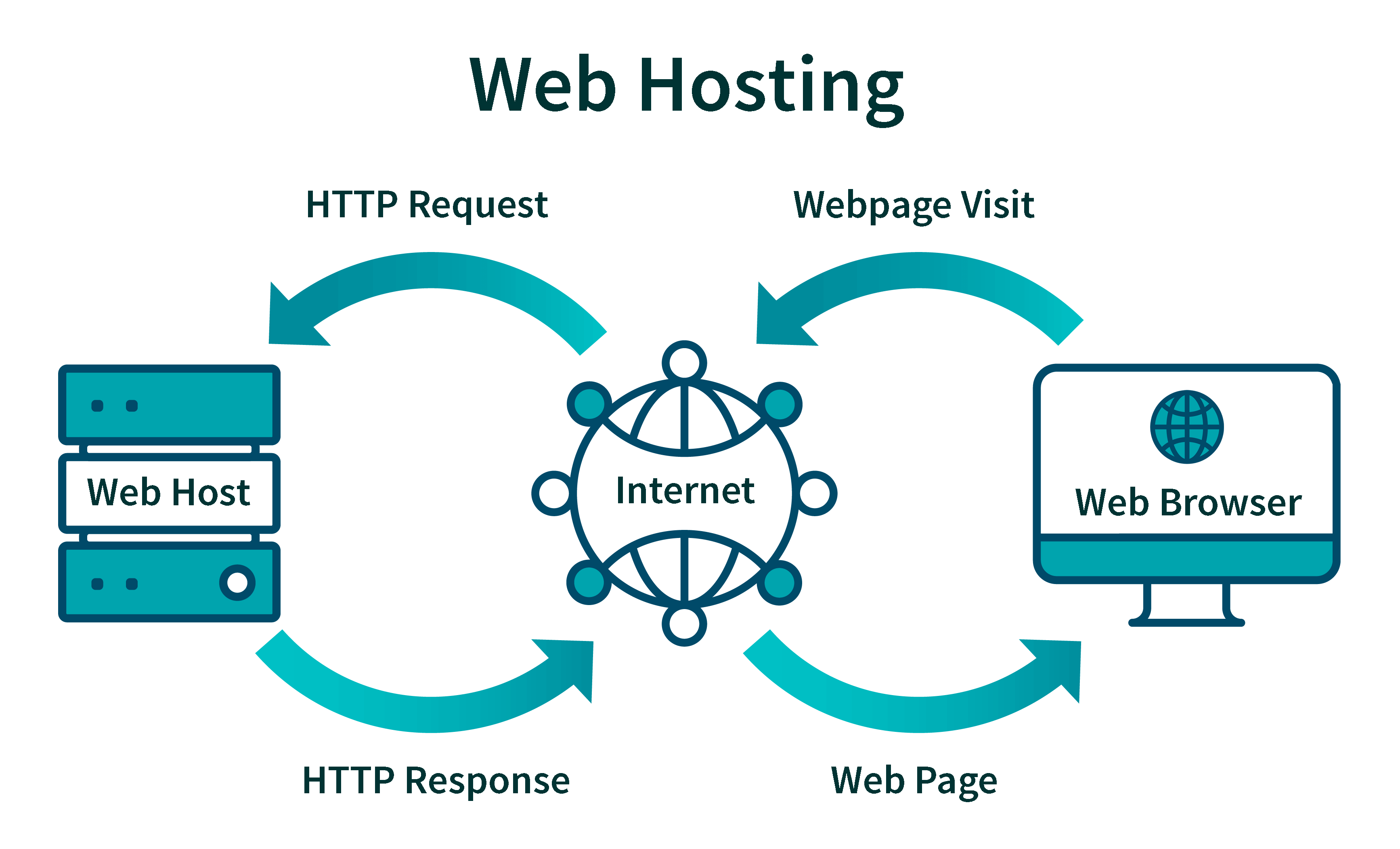
Web hosting provides space for your website files. Storage is where your website lives. You need enough space for images and text. Bandwidth is about how much data can travel. It affects how fast your website loads. More bandwidth means faster access. It’s important for smooth website use.
Web hosts help with domain names. A domain is your website’s address. They register and renew domains for you. They make sure your domain points to your website. Domain management keeps your site online. It’s essential for having a web presence.
Security keeps your site safe. Hosts provide firewalls and SSL certificates. Firewalls block bad traffic. SSL encrypts data between users and servers. This stops hackers from stealing information. Security measures protect your site and users.
Hosts offer technical support for issues. Support helps solve site problems. They assist with server errors. Technical help is available by phone or email. They ensure your site runs smoothly. Support is vital for fixing issues quickly.
Role Of A Web Hosting Company
Web hosting companies keep servers running smoothly. They fix any problems fast. This helps websites stay online. Regular checks are important. They ensure everything works well. A website that is down is bad for business. So, maintenance is key.
Data is very valuable. Hosting companies make copies of website data. These are called backups. If data gets lost, they use backups to restore it. This keeps websites safe. Backups happen often. This means data is always up to date.
Software changes often. Hosting companies update software to keep it secure. New updates fix problems. They make websites run better. Without updates, websites can have errors. So, keeping software current is important.
Hosting companies help customers with website issues. They answer questions. They solve problems. Good customer service is always ready to help. This makes customers happy. Happy customers stay longer.
Benefits Of Choosing The Right Hosting
Improved Website Performance is crucial for user satisfaction. Fast loading times keep visitors happy. A good host ensures quick access to your site. Reduced downtime prevents loss of visitors. Reliable servers make your website smooth.
Enhanced Security protects your data. A secure host uses firewalls and antivirus. They monitor for suspicious activity. Regular backups safeguard against data loss. Your website stays safe from hackers.
Scalability Options allow your site to grow. As traffic increases, resources expand. Flexible plans adapt to your needs. More visitors need more bandwidth. A scalable host helps manage this growth.
Cost Efficiency saves money. Good hosts offer affordable plans. Choose what fits your budget. Avoid hidden fees and extra charges. Long-term contracts often reduce costs. It’s a smart choice for your wallet.
Factors To Consider When Selecting A Host
Price is important when choosing a host. Look for different plans. Some are cheap. Some are costly. Consider what you need. A simple plan is good for small sites. More features cost more. Always compare. Choose what fits your budget.
Reliability matters a lot. A good host keeps your site up. Uptime means your site works most times. Hosts with 99% uptime are better. Less downtime means more visitors. Always check the host’s promises. Reliable hosts keep their word.
Customer reviews help you know the host better. Read what users say. Happy users mean good service. Look for reviews online. Check for complaints. Too many bad reviews are a bad sign. Trust hosts with more good reviews.
Technical specs show what a host offers. Check the storage and bandwidth. More is better for big sites. Small sites need less. Look at the control panel. It should be easy to use. Make sure they support the software you need. Always match specs with your needs.

Credit: www.znetlive.com
Future Trends In Web Hosting
Exploring web hosting companies reveals their role in providing space on servers for websites to function online. They manage server maintenance, offer technical support, and ensure website security. Future trends might include advanced security measures, eco-friendly hosting solutions, and enhanced scalability to adapt to growing digital demands.
Green Hosting
Web hosting uses a lot of energy. Green hosting is eco-friendly. It uses renewable energy. This helps reduce carbon footprints. Many companies adopt green hosting. It attracts eco-conscious clients. Green hosting is good for the planet. It’s also good for business.
Ai And Automation
AI improves hosting services. Automation makes tasks easier. It speeds up processes. AI can handle customer queries. It improves user experience. Automation reduces errors. It saves time for businesses. AI and automation are the future. They make hosting smarter.
Edge Computing
Data travels faster with edge computing. It’s close to users. This reduces latency. It improves performance. Edge computing is important for real-time services. It supports IoT devices. It’s crucial for modern web applications. Edge computing enhances user satisfaction.
Increased Personalization
Personalization tailors services to user needs. It improves user engagement. Hosts offer custom features. Users get tailored experiences. Personalization boosts satisfaction. It’s key in competitive markets. Increased personalization helps retain clients.
Credit: www.hostitsmart.com
Frequently Asked Questions
What Do Web Hosting Companies Do?
Web hosting companies store and manage websites on their servers. They ensure sites are accessible online. They provide bandwidth, storage, and technical support. Hosting services include shared, VPS, and dedicated servers. They also offer domain registration and security features. Their services help maintain website performance and uptime.
What Are The Responsibilities Of Web Hosting?
Web hosting stores website files on servers, ensuring site accessibility online. It manages server maintenance, security, and software updates. Hosting provides bandwidth, email accounts, and customer support. It monitors server performance, backups data, and handles domain name registration. Reliable hosting ensures fast load times and minimizes downtime for better user experience.
What Is The Purpose Of Web Hosting?
Web hosting stores website files on a server, making them accessible online. It ensures fast loading, security, and reliability. Hosting provides a unique domain name, enabling visitors to find your site. It supports website growth and scalability while offering technical support for managing server issues effectively.
How Much Do I Pay To Host A Website?
Website hosting costs vary from $3 to $500 per month. Prices depend on hosting type, features, and provider. Shared hosting is cheaper, while dedicated hosting is more expensive. Consider your website’s needs and budget to choose the best hosting plan.
Always compare plans for the best value.
Conclusion
Web hosting companies play a crucial role online. They store your website data. They ensure your site runs smoothly. They provide security against threats. They also offer support when needed. Choosing the right host impacts your online success. Understand your needs first.
Compare different options carefully. Look for reliable uptime and support. This ensures your website stays accessible. A good hosting partner leads to a better online experience. It helps reach your audience effectively. So, make an informed choice. Your website’s performance depends on it.


