
Have you ever wondered what goes on behind the scenes of your favorite website? Or maybe you’re planning to launch your own online project and keep hearing about the mysterious world of web hosting.
Understanding what a web host does is crucial for anyone venturing into the digital realm. Picture this: your website as a beautiful house, and a web host as the land it stands on. Without land, your house has no place to be.
In the same way, without a web host, your website has no home on the internet. A web host provides the space and resources necessary for your website to be accessible to users worldwide. But it’s more than just storage; it’s about performance, security, and reliability. You might think of it as the foundation of your online presence. Intrigued yet? Dive deeper with us as we unravel the essential roles of a web host and discover how choosing the right one can make or break your online success. Stick around, because this could be the key to unlocking the full potential of your digital journey.
Web Hosting Basics
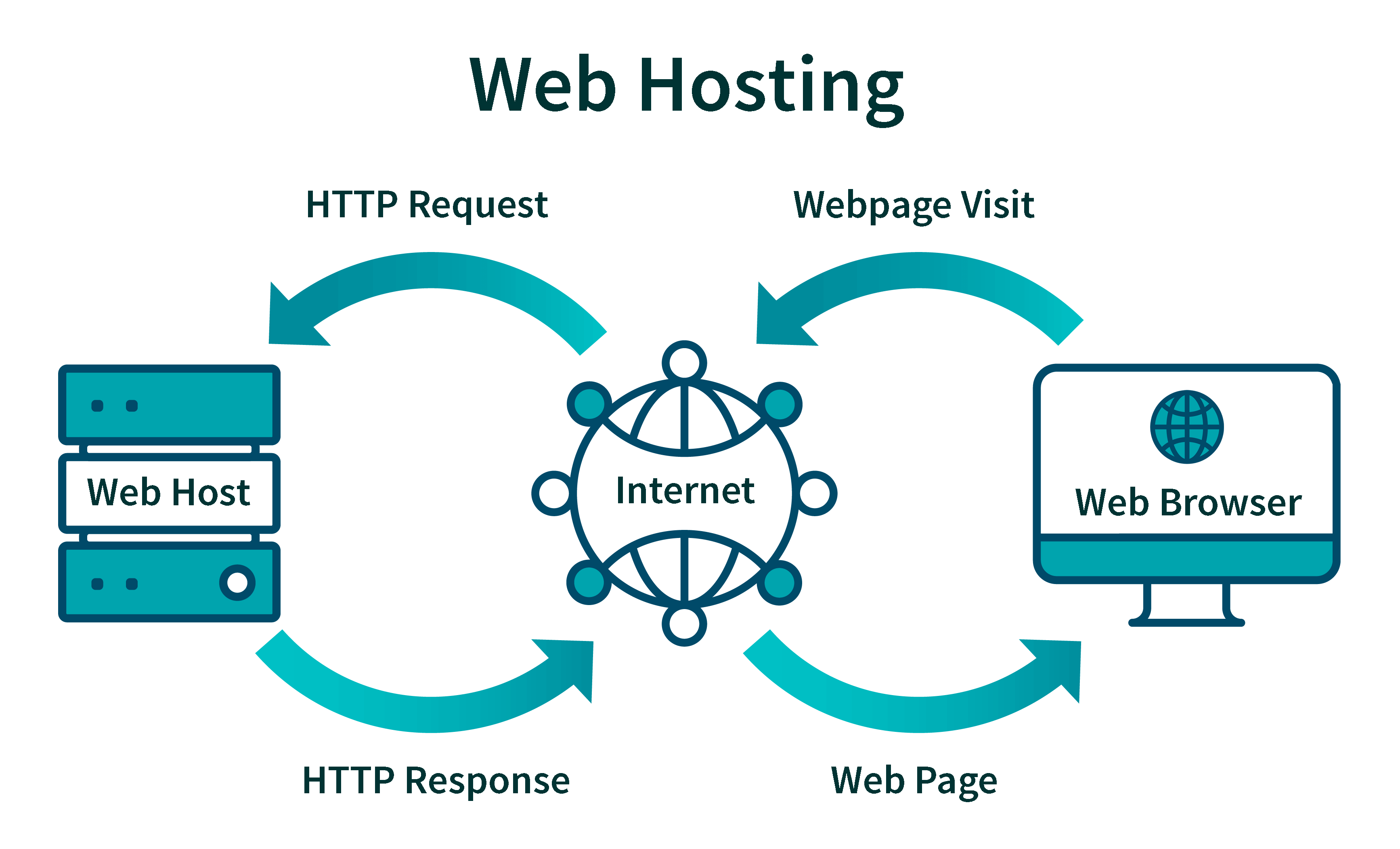
Web hosting means storing websites on the internet. It is like renting space. This space is on a server. Servers are powerful computers. They keep websites up and running. Without a web host, websites cannot be seen. People use browsers to visit websites. Web hosts make this possible. They connect users to websites. This process is fast and smooth. Good web hosts are reliable. They keep websites safe and available.
There are many types of web hosting. Shared hosting is common. Many websites share one server. It is cheap and simple. VPS hosting is next. It means Virtual Private Server. It offers more control. Dedicated hosting is powerful. One server for one website. It is for big sites. Cloud hosting is new. It uses many servers. It is fast and flexible. Each type suits different needs.

Credit: www.hostitsmart.com
Server Management
Web hosts keep servers running smoothly. They fix errors and update software. Regular checks help catch problems early. This keeps websites fast and reliable. Without good maintenance, sites can crash. This makes users unhappy. Web hosts also manage storage. They make sure there’s enough space for data. This is crucial for websites with lots of traffic.
Security is vital for servers. Web hosts protect against hackers and viruses. They use firewalls and antivirus software. These tools help keep data safe. Hosts also monitor for suspicious activity. They act fast if they spot a threat. This keeps information secure. Passwords and other data must be protected. Users trust hosts to keep their data private.
Data Storage Solutions
Web hosts offer database management for storing data safely. They use special software to organize the data. This helps find information fast. A good host keeps the data secure. They stop bad people from stealing it. Keeping data safe is very important. Many businesses rely on this service.
Web hosts also provide backup services. These services save copies of your data. If something goes wrong, you can get your data back. Having backups is like having a safety net. It makes sure nothing is lost forever. Regular backups keep your website safe. It is like saving your work often.

Credit: www.lashmar.media
Technical Support
Web hosts offer help when you need it. They answer questions about your website. They are there to guide you. Their job is to make things easy for you. This includes setting up your site. They also help with changes you want. You can reach them by phone or email. Some hosts even offer live chat. This gives you instant answers. Customer assistance is available day and night. It helps keep your site running smoothly.
Web hosts fix problems fast. If your site goes down, they act quickly. They find out what is wrong. Then, they work to fix it. This helps keep your site online. They check for errors. They also look for broken links. Hosts have tools to fix these issues. Troubleshooting is part of their job. It helps your site work well every day.
Performance Optimization
A web host makes websites fast. It uses quick servers. These servers store website files. They deliver them quickly to users. Fast loading helps keep visitors. No one likes slow sites. Images are made smaller. This helps them load faster. The website’s code is also cleaned. This makes pages snappy. Fast sites are happy sites.
A web host gives websites the right resources. This means enough space and memory. These help websites run smoothly. More visitors need more resources. Web hosts manage this well. They make sure websites do not crash. Each site gets what it needs. This is important for a good user experience.
Credit: techterms.com
Domain Management
A web host helps with domain registration. You pick a name for your website. The host checks if it is available. If the name is free, you can use it. The host then registers it for you. This process is quick and easy. You must pay a fee for your domain. The fee is usually yearly. Domains are like your website’s address on the internet.
DNS stands for Domain Name System. It helps users find your website. The web host sets up DNS for your domain. This step connects your domain to your server. DNS settings must be correct for your site to work. You can change these settings through your host. This is important for website access.
Security Measures
SSL Certificates are very important for websites. They make your website more secure. Data sent through the website is encrypted. This means only the right person can read it. SSL helps to protect user information. Such as passwords or credit card numbers. It also builds trust with users. A website with SSL shows a padlock icon in the address bar. This tells users the site is safe.
Malware can harm your website and data. Web hosts provide tools to keep your site safe. They scan your website for malware. If malware is found, they remove it. This keeps your site healthy. Your data stays safe, and visitors feel secure. Protecting against malware is very important. It helps keep your website running smoothly.
Frequently Asked Questions
What Is The Purpose Of A Web Host?
A web host provides the necessary technology and server space for a website to be accessible online. It stores website files and ensures smooth and secure data transfer to users. Reliable hosting enhances website speed, security, and uptime, crucial for effective online presence and user experience.
Do I Really Need A Host For My Website?
Yes, you need a host for your website. It stores your site’s files and makes it accessible online. Hosting ensures stability, security, and performance. Choose a reliable host to avoid downtime and technical issues. A good host is crucial for a successful online presence.
What Are The Responsibilities Of Web Hosting?
Web hosting manages server resources, ensures uptime, provides security, supports domain management, and offers customer support. It stores website files, handles traffic, and maintains server performance. Hosting also implements backup solutions and software updates to ensure site reliability and security.
What Is An Example Of A Web Host?
An example of a web host is Bluehost. It offers reliable hosting services, domain registration, and 24/7 support. Bluehost is popular for its user-friendly interface and affordable pricing, catering to bloggers and small businesses. Their hosting plans include WordPress integration, ensuring seamless website management for users.
Conclusion
Web hosting plays a crucial role in website management. It stores your site’s files and ensures they are accessible online. This service offers security, speed, and support for your website. Choosing the right web host can significantly impact your site’s performance.
Understand your needs and compare hosting options. Look for reliability, customer service, and pricing. A good web host helps your site run smoothly. It enhances user experience and supports your business goals. Knowing what a web host does empowers you to make informed decisions.
Make your website a strong online presence.


