
Have you ever wondered how websites appear when you type in a URL? The answer lies in web hosting.
If you’re trying to understand what web hosting means, you’re in the right place. Imagine your website as a book you want to share with the world. Web hosting is like renting a space in a library where anyone can come and read it.
Without this space, your book stays hidden, unread, and unnoticed. Curious about how this affects you and your online presence? Understanding web hosting is crucial if you want your website to be visible and accessible. Grasping this concept will empower you to make informed decisions for your online endeavors. By the end of this article, you’ll have a clear picture of what web hosting is, why it’s essential, and how it can unlock your website’s potential. Stay with us, and let’s unravel the mystery together.
Basics Of Web Hosting
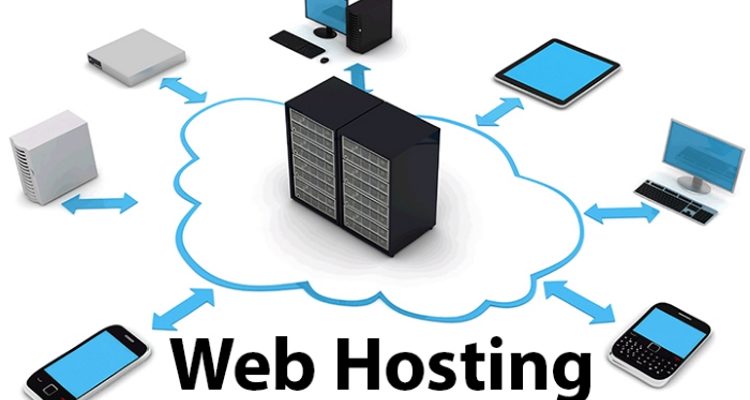
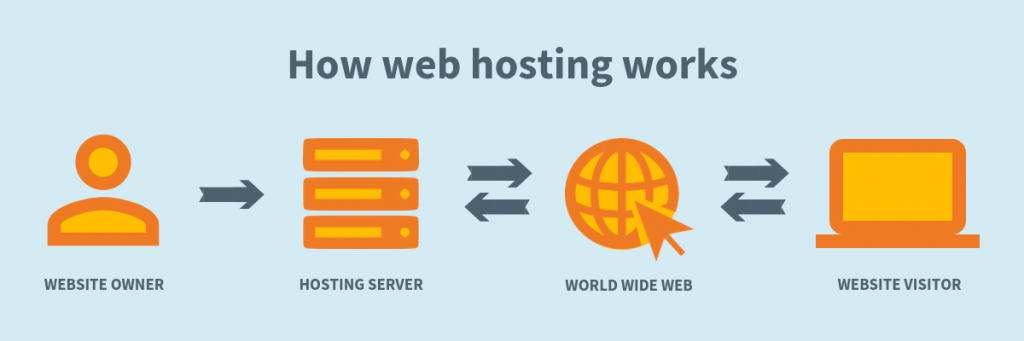
Web hosting means storing a website on a server. Servers are powerful computers. They keep websites online. People visit websites using the internet. Web hosting makes sure websites are always available. It helps businesses and people share information. Hosting is important for the internet to work. Without it, websites cannot be accessed.
There are different types of web hosting. Shared hosting is common. It means many websites share one server. It is cheap. VPS hosting means a private server space. It is more secure. Dedicated hosting means one website has a whole server. It is expensive but very fast. Cloud hosting uses many servers. It is flexible. Each type has different benefits and costs. Choose based on needs and budget.
Credit: rackset.com
Shared Hosting
Shared hosting is very affordable. Many websites use the same server. This helps cut down costs. It is easy to set up. Even beginners can use it. But, there are some drawbacks. The server is shared. So, one busy site can slow down others. Security can also be a concern. Many sites on one server can mean more risks.
Shared hosting is best for small websites. Personal blogs or small businesses can use it. They do not need many resources. Medium or large websites may need more power. They should look at other options. Shared hosting is a good start for new sites. It is easy and cheap. But always remember its limits.
Dedicated Hosting
Dedicated hosting provides complete control over a server. You get high performance and security. The server is not shared with others. This means better speed and uptime. Businesses with large websites benefit from this.
Drawbacks include higher costs. It’s more expensive than other hosting. Managing the server needs technical skills. Small websites might not need this. They can choose cheaper options.
Large businesses need dedicated hosting. This is best for sites with high traffic. E-commerce websites often use this. It helps handle many visitors. Financial institutions also prefer dedicated hosting. They need strong security.
Dedicated hosting suits complex applications. It is ideal for custom software. If a site requires special configurations, this is the best choice. Startups may avoid it due to costs. They can start with shared hosting.
Vps Hosting
VPS hosting offers a virtual private server for your website. It combines the benefits of shared and dedicated hosting. You get more control and flexibility than shared hosting. Each user has their own allocated resources. This means better performance for your site. But it is not as powerful as dedicated hosting. Some users may find it harder to manage.
VPS is great when your site needs more power. It is suitable for growing websites. Small businesses can use it. It is good when you need more control. It is a middle ground between shared and dedicated hosting. Choose it if you want more resources than shared hosting.
Cloud Hosting
Cloud hosting helps businesses grow easily. It allows adding more resources whenever needed. No need to buy new servers. Simply adjust the settings. This provides great flexibility. Companies can handle traffic spikes without problems. It ensures fast, smooth performance. Cloud hosting suits businesses of all sizes. It adapts quickly to changes.
Some applications fit well with cloud hosting. E-commerce sites often use it. They need to handle many visitors. Cloud hosting keeps them running smoothly. Media streaming services also benefit. They require high-speed access for users. Cloud hosting supports this. Online learning platforms find it useful too. They need to serve many students at once. Cloud hosting meets these needs effectively. It offers reliable performance for diverse applications.
Managed Hosting
Managed hosting gives peace of mind. Professionals manage your website. They handle updates and security. They also fix problems fast. You get 24/7 support. Your site runs smoothly and safely. Focus on your content. Let experts do the rest.
Small businesses benefit from managed hosting. They save time and stress. This is good for those with no tech skills. Managed hosting suits busy professionals. It is also great for growing websites. Managed hosting keeps sites fast and secure. Choose this option if you need help. Stay focused on your business goals.
Factors To Consider
Web hosting prices vary. Some plans are cheap, others are costly. Budget is key. Think about what you can afford. Compare the prices of different hosts. Look for deals or discounts. Value matters more than price. A cheap host may lack features. A good host offers more for your money.
Performance affects your website speed. Slow sites lose visitors. Reliable hosts keep your site online. Look for hosts with 99% uptime or more. Check reviews and ratings. See what others say about their service. A fast host with good uptime is a wise choice.
Security protects your site from harm. Hackers are a threat. Choose hosts with strong security features. Look for SSL certificates. They keep data safe. Regular backups are crucial. Backups help recover lost data. A secure host keeps your site safe and sound.

Credit: www.easysite.com
Future Trends
Web hosting means storing your website’s data on special computers. These computers make your site accessible online. Future trends suggest more efficient, secure, and eco-friendly hosting solutions.
Emerging Technologies
New technologies are changing web hosting fast. AI is making servers smarter. Cloud computing provides more storage. 5G networks speed up internet access. Green hosting helps the environment. These innovations bring exciting changes.
Impact On Businesses
Businesses benefit from these new trends. Faster websites attract more visitors. Reliable hosting boosts customer trust. Cost-effective solutions save money. Scalable services allow growth. Companies can compete better in the market. Using new tech makes business operations smoother.
Credit: www.layerhost.com
Frequently Asked Questions
What Is The Purpose Of Hosting A Website?
Hosting a website makes it accessible online, allowing users to visit and interact with it. It provides storage for files and ensures smooth performance. Hosting supports domain management, security, and scalability, enhancing user experience and site functionality.
Can I Run My Website Without Hosting?
No, a website requires hosting to be accessible online. Hosting stores your website’s files on a server. Without hosting, users can’t view your site, making hosting essential for online presence. Choose a reliable hosting provider to ensure your website is fast, secure, and always available to visitors.
What Does It Mean If A Website Is Hosted?
A hosted website means its files and data are stored on a server. This server is managed by a hosting provider, making the site accessible online. Hosting ensures reliable uptime, security, and support, enhancing user experience.
How Much Does Website Hosting Cost?
Website hosting costs vary from $3 to $300 monthly, depending on the hosting type and features. Shared hosting is cheaper, while dedicated servers cost more. Consider your website needs to choose an appropriate plan. Many hosting providers offer discounts on annual subscriptions.
Always compare prices and features before committing.
Conclusion
Web hosting is crucial for your website’s presence online. It provides the necessary space and support for your site. Choosing the right hosting service ensures smooth performance. Your site loads quickly and stays secure. Consider your needs and budget carefully.
Reliable hosting enhances user experience. It boosts your site’s visibility. You can choose between shared, VPS, or dedicated hosting. Each type offers different benefits. Make sure to research and compare services. A good host is key to a successful website.
Keep your site’s goals in mind. Stay informed and make the best choice.


