
Are you considering setting up your own web server? Whether you’re looking to host a personal website, manage a blog, or start an online business, having your own web server can give you greater control and flexibility.
But where do you start? What do you really need to get your web server up and running smoothly? Imagine being able to tailor every aspect of your web hosting environment, ensuring everything runs just the way you want. It sounds empowering, doesn’t it?
By the end of this article, you’ll know exactly what hardware, software, and configurations are necessary to host your own web server. You’ll also discover the often-overlooked elements that can make or break your web hosting experience. Stay tuned to learn how to harness the power of your own server without the headache. You’ll gain insights that can save you time, money, and possibly a few technical mishaps along the way. Ready to dive in? Let’s explore what you need to host a web server.

Credit: www.hostinger.com
Choosing The Right Hardware
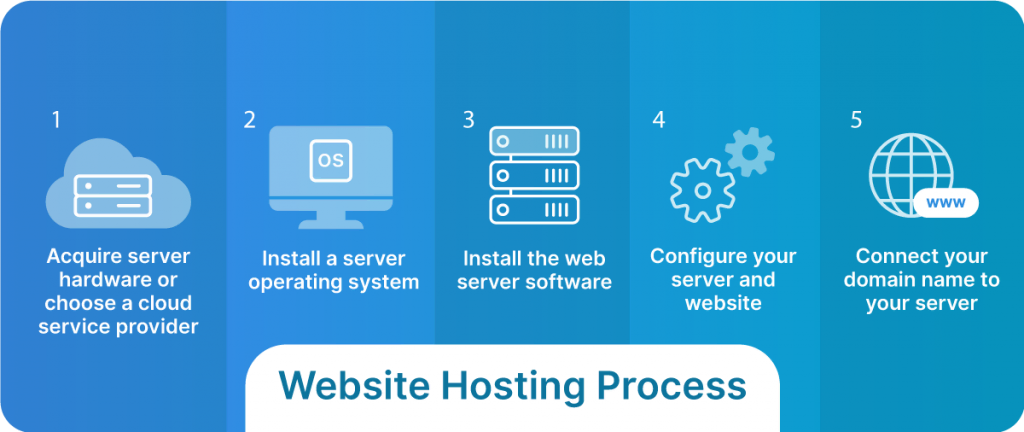
Picking the right server is crucial. CPU power matters a lot. You need enough RAM for tasks. More is usually better. Storage can be HDD or SSD. SSDs are faster. Cooling helps keep your server safe. Avoid overheating.
Decide how much storage you need. More files need more space. Consider backup options. External drives can help. Keep your data safe. Cloud storage is another option. It’s flexible and secure.
Internet speed is important. Fast speeds mean quick loading. Choose a good ISP for reliability. Bandwidth should be high. It handles more traffic. Have a static IP. It keeps your server address fixed.
Credit: www.liquidweb.com
Selecting An Operating System
Many people like using Linux for web servers. It is free and flexible. You can choose from many versions, like Ubuntu or CentOS. Linux is known for its security and stability. Many web technologies work well with Linux. It is a favorite among developers.
Windows Server is another choice. It is not free like Linux. But it is easy to use for those who know Windows. It works well with ASP.NET and Microsoft SQL Server. Many businesses prefer it because of support from Microsoft.
MacOS can also host web servers. It is not common but possible. MacOS has built-in tools like Apache. It is good for development and testing. But not many choose it for production. It is more for personal or small projects.
Web Server Software Choices
Apache and Nginx are popular web servers. Apache is known for its flexibility. It can handle dynamic content well. Nginx is great for serving static files. It uses less memory and is faster. Choosing the right one depends on your needs. Apache supports more modules. Nginx is simpler and faster for static sites.
Lighttpd is another web server option. It is lightweight and fast. Suitable for sites with high loads. Other alternatives include Caddy and Tomcat. Each has unique features and benefits. Your choice should match your specific needs. Consider your site’s size and traffic.
Installing a web server is easy. Most have guides to help. Apache and Nginx need configuration files. These files set server rules. Change settings to fit your needs. Remember to secure your server. Use strong passwords and update often.

Credit: wegic.ai
Domain Name Registration
Pick a name that is short and easy to remember. The name should relate to your website’s content. Avoid using complex words. Keep it simple and clear. A good name attracts visitors easily.
A domain registrar helps you buy your domain name. Many companies offer this service. Choose a trusted company. Look for good reviews online. Compare prices before buying. Some registrars offer extra services. Make sure to check those too.
The DNS system connects your domain to your website. You need to set it up correctly. This step is crucial. Without it, people can’t find your site. Follow the instructions given by your registrar. Enter the correct DNS settings. This ensures your website works well.
Setting Up Security Measures
Firewalls protect your web server. They block unwanted traffic. Ports let data in and out. Close unused ports. Open only needed ports. This keeps your server safe. Hackers can’t easily access it.
SSL certificates encrypt data. They keep information private. Visitors trust your site more. Websites with SSL show a padlock icon. This tells users their data is secure. Install SSL for safety.
Security updates fix problems. They keep software safe. Updates protect your server from threats. Always install them on time. This helps keep hackers away. Your server stays secure.
Backup And Recovery Strategies
Always keep a copy of your data. Use external hard drives or cloud storage. Cloud storage is safe and easy. Hard drives can fail. So, having both is smart. Choose a solution that fits your needs. Some people prefer cloud. Others like physical backups. Both have pros and cons.
Disasters happen. Prepare a plan. Know what to do if data is lost. Identify key data. Decide what needs priority. Make sure your team knows the plan. Practice it often. Keep it updated. This reduces panic in real situations.
Manual backups are easy to forget. Automate them. Use software to backup data daily. It saves time and ensures nothing is missed. Automatic backups help keep data safe. Choose software that is reliable and user-friendly.
Monitoring And Maintenance
Performance Monitoring Tools help in tracking server health. They keep an eye on CPU usage, memory, and disk space. Alerts can notify you if something is wrong. This helps in fixing problems quickly.
Log Analysis shows what is happening on the server. It helps find errors and security issues. Logs can tell you who accessed your site. They also show which pages are popular. This data helps improve server performance.
System Updates and Patches are very important. They keep the server safe from threats. Regular updates fix bugs and improve performance. Always check for new updates. This keeps your server running smoothly.
Frequently Asked Questions
What Is Needed To Create A Web Server?
You need a computer, operating system, web server software (e. g. , Apache), domain name, and internet connection to create a web server.
How Do I Host My Own Website Server?
To host your own website server, install server software on your computer. Ensure a stable internet connection and configure DNS settings. Regularly maintain and update your server. Consider security measures to protect your site. Hosting requires technical skills and understanding of web protocols.
What Do You Need To Host Your Own Server?
To host your own server, you need a reliable internet connection, a computer with sufficient resources, server software, and security measures. Ensure you have a static IP address for accessibility. Regular backups and monitoring tools are essential for maintaining server performance and security.
Can I Turn My Pc Into A Web Server?
Yes, you can turn your PC into a web server. Install server software like Apache, Nginx, or IIS. Configure network settings for external access. Ensure security measures like firewalls and regular updates. Your PC can host websites, but performance depends on hardware and internet connection.
Conclusion
Hosting a web server requires several key elements. Start with selecting the right hardware and software. Choose reliable hosting providers or set up your own server. Ensure a stable internet connection for uninterrupted service. Security is crucial; implement strong measures to protect data.
Regular maintenance keeps your server running smoothly. Don’t forget to check compatibility with different browsers and devices. Understanding these basics helps you host a successful web server. With careful planning, your online presence can grow steadily. Enjoy the journey of hosting and managing your web server.


