
Are you planning to launch your own website but feeling overwhelmed by the choices in web hosting environments? You’re not alone.
Understanding what you truly need can be a game-changer for your online presence. Imagine having a web hosting environment that perfectly supports your website, ensuring fast load times, reliable uptime, and seamless user experience. Sounds ideal, right? Think about how it feels to have peace of mind knowing your site is secure and running smoothly.
We’ll cut through the jargon and give you clear insights into what you should look for in a web hosting environment. Get ready to discover the essentials that will empower you to make informed decisions and set the foundation for your website’s success. Let’s dive in and ensure you’re equipped with the knowledge to choose the best environment for your needs.
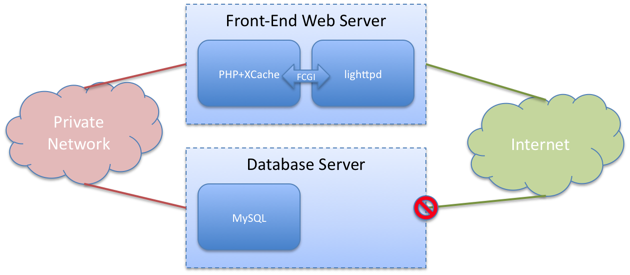
Credit: blog.fosketts.net
Types Of Web Hosting
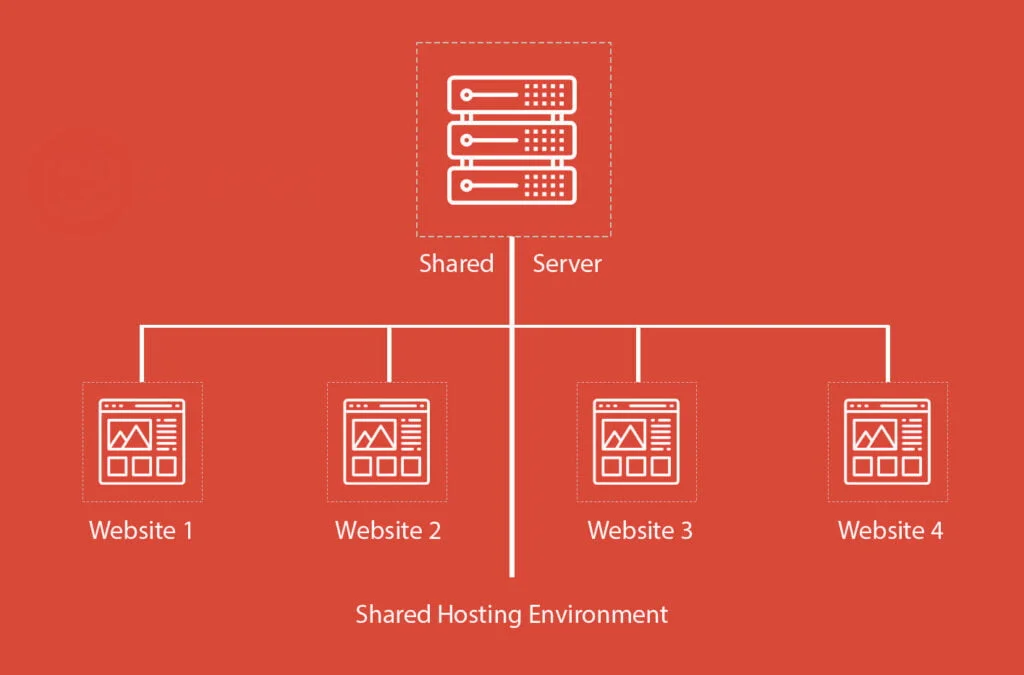
Shared hosting is like living in an apartment. You share resources with others. It is affordable and easy to use. Best for small websites or blogs. Many users on one server. This keeps the cost low. Performance can be affected by other sites.
VPS stands for Virtual Private Server. You get your own space. It is like having a townhouse. More control than shared hosting. Better for medium-sized websites. Costs more than shared hosting. Offers more customization options.
Dedicated hosting means you have the whole server. Like owning a house. No sharing with others. Best for large websites or businesses. Offers high performance and security. It is expensive but worth it for big sites. Full control over settings.
Cloud hosting uses many servers. Think of it as a big, strong web. Scalable and reliable. Good for sites with changing traffic. Pay for what you use. Offers flexibility and fast performance. Ideal for growing websites.
Credit: www.knownhost.com
Essential Features
A good web hosting service offers enough bandwidth. This lets many users access your site. If your site grows, more bandwidth is needed. Storage is also key. It holds your files, images, and videos. More storage means more content on your site. Always check the limits before you choose. A balance of both is best for smooth performance.
Uptime shows how often your site is online. A high uptime guarantee is crucial. It means your site is almost always available. Most hosts offer 99.9% uptime. This ensures minimal downtime. Users can visit your site anytime. Trustworthy hosts back their promises with refunds or credits.
Security keeps your site safe from hackers. Look for hosts with firewalls and SSL certificates. These protect your data and users’ data. Regular backups are another layer of safety. They help recover your site if problems arise. A secure host gives peace of mind and protects your investment.
Technical Support
Good support should be available all the time. You might need help at any hour. Problems don’t wait for business hours. Round-the-clock support ensures help is there when needed. It offers peace of mind.
Clear information is important. A knowledge base provides answers. It saves time and helps solve simple issues. Good resources make understanding easy. You learn more about your hosting.
Issues can happen unexpectedly. Skilled troubleshooting assistance is vital. It helps fix problems quickly. Experts guide you step by step. They make sure your site stays online. Reliable support is a must.
Performance Optimization
The server’s location matters for website speed. Closer servers mean quicker access. This reduces page load times. A fast website keeps visitors happy. They stay longer when pages load fast. Choose a server near your target audience. This helps your site perform better.
A Content Delivery Network (CDN) speeds up sites. It uses many servers worldwide. It sends your content from the closest server. This cuts down wait times. Visitors get pages faster. CDNs also handle more traffic. This means fewer crashes. They keep your site running smoothly.
Caching stores data for quick access. It makes websites load faster. Without waiting to fetch data, pages appear quicker. Many sites use caching. They store copies of pages. This saves time and server resources. It helps handle more visitors. A faster site means happy users.
Scalability Options
Having flexible plans is crucial for growth. These plans let you change resources. You can start small and add more space as needed. It ensures you only pay for what you use. This keeps costs low and budgets in check.
Resource allocation must be efficient. You should be able to control bandwidth and space. With good allocation, your site runs smoothly. Visitors get a fast experience. Slow sites can lose users. So, manage resources wisely.
Upgrading capabilities should be simple. Easy upgrades help your site grow. You might need more power as traffic increases. Quick upgrades prevent downtime. Your users stay happy and engaged. Choose hosts that offer fast upgrades.

Credit: www.teamcolab.com
Control Panel Features
A good control panel has a simple user interface. It should be easy to use. Even for beginners. Icons and menus should be clear. Users need to find tools quickly. No time wasted. This makes managing your website fun.
Every control panel should have useful website management tools. These tools help you with updates. You can add new pages. Also, you can delete old ones. It’s important to keep your site fresh. Tools should be easy to use. No expert needed.
A good control panel has a reliable file management system. You can upload files easily. Also, download them. Organize your files in folders. This keeps everything tidy. It’s like a virtual filing cabinet. Easy to find what you need.
Cost Considerations
Web hosting has different pricing models. Some charge monthly, others yearly. Shared hosting is usually cheaper. Dedicated hosting costs more. Choose what fits your budget.
Be careful of hidden fees. Some hosts add charges for extra features. Read the fine print. Ask for a complete price list. Avoid surprises later.
Get good value for money. Compare features and support. Cheap hosting can have slow speeds. Pay more for better performance. Find the best deal for your needs.
Security Protocols
SSL certificates keep websites safe. They encrypt data sent between users and servers. This stops hackers from stealing information. Websites with SSL show a lock symbol in browsers. This builds trust with visitors. SSL is important for all sites, especially those handling sensitive data.
Firewalls act like guards. They block unwanted access to your server. Firewalls filter traffic and keep threats out. They are essential for protecting websites from cyber attacks. Without a firewall, sites can be vulnerable to hackers.
Backups save copies of your data. They are crucial for recovering lost information. Regular backups ensure data safety if problems occur. Having backups means you can restore your site quickly. Always schedule backups to avoid losing important files.
Customer Reviews
Reading customer reviews is important. They show a web host’s trustworthiness. Happy customers often mean good service. Look for hosts with many positive reviews. Negative reviews can be a red flag. Check how the company responds to complaints. This shows their customer care quality.
User feedback provides real-life insights. It tells you about server uptime and speed. People share their experiences with support teams. Reviews can highlight common issues. Look for patterns in user feedback. Consistent problems might mean trouble.
Industry ratings offer a professional view. Experts evaluate hosts on several factors. They check performance, security, and support. High ratings usually mean reliable service. Compare ratings from different sources. This helps in making a wise choice.
Frequently Asked Questions
What Are The Things Needed To Host A Website?
To host a website, you need a domain name, web hosting service, and website files. Ensure your server supports your site’s technology and offers adequate resources. Regularly update and maintain your site for security and performance. Choose a reliable hosting provider for optimal uptime and support.
What Is A Web Hosting Environment?
A web hosting environment is where your website files and applications are stored on a server. It allows users to access your website online, providing necessary resources like storage and bandwidth. This environment supports different technologies and software to ensure your website functions smoothly and efficiently.
How Do I Start My Own Web Hosting?
Begin by choosing a reliable server and domain name. Install web hosting software. Configure settings for security and performance. Promote your services to attract clients. Regularly update and maintain your systems.
Which Of The Following Is Required To Host A Website?
To host a website, you need a domain name, web hosting service, and a website builder. Ensure the hosting provider offers sufficient storage, bandwidth, and security features. Choose a reliable domain registrar and hosting company for a seamless experience.
Conclusion
Choosing the right web hosting is important. Your website needs reliability. Fast load times make visitors happy. Security protects your data. Storage must fit your content needs. Customer support helps solve issues quickly. Consider your budget for hosting plans. Read reviews to learn from others.
A good host boosts your site’s performance. Your online presence depends on smart hosting decisions. Keep these factors in mind. You create a strong foundation for your website. With the right hosting, your site thrives. Your audience finds what they need.
Success follows with careful planning.


