
Have you ever wondered where your favorite web apps actually live? You might not realize it, but every time you chat with friends, shop online, or check your email, you’re interacting with something stored far away in the mysterious realm of the cloud.
But what exactly is this cloud, and how does it host your web apps? Understanding this can transform how you perceive technology and enhance your digital savvy. We’ll decode the enigma of cloud hosting, revealing the invisible forces that power your online experiences.
Stick with us, and you’ll uncover the secrets behind the cloud, making you the go-to tech guru in your circle!
Cloud Hosting Basics
Cloud hosting means storing web apps on the internet. Not on personal computers. It uses multiple servers to store data. This makes the web app faster and more reliable. If one server fails, another takes over. So, web apps stay online. No downtime.
| Type | Description |
|---|---|
| Public Cloud | Shared with many users. Low cost but less control. |
| Private Cloud | Used by one company. More control and security. |
| Hybrid Cloud | Mix of public and private. Flexible and balanced. |
Web Apps In The Cloud
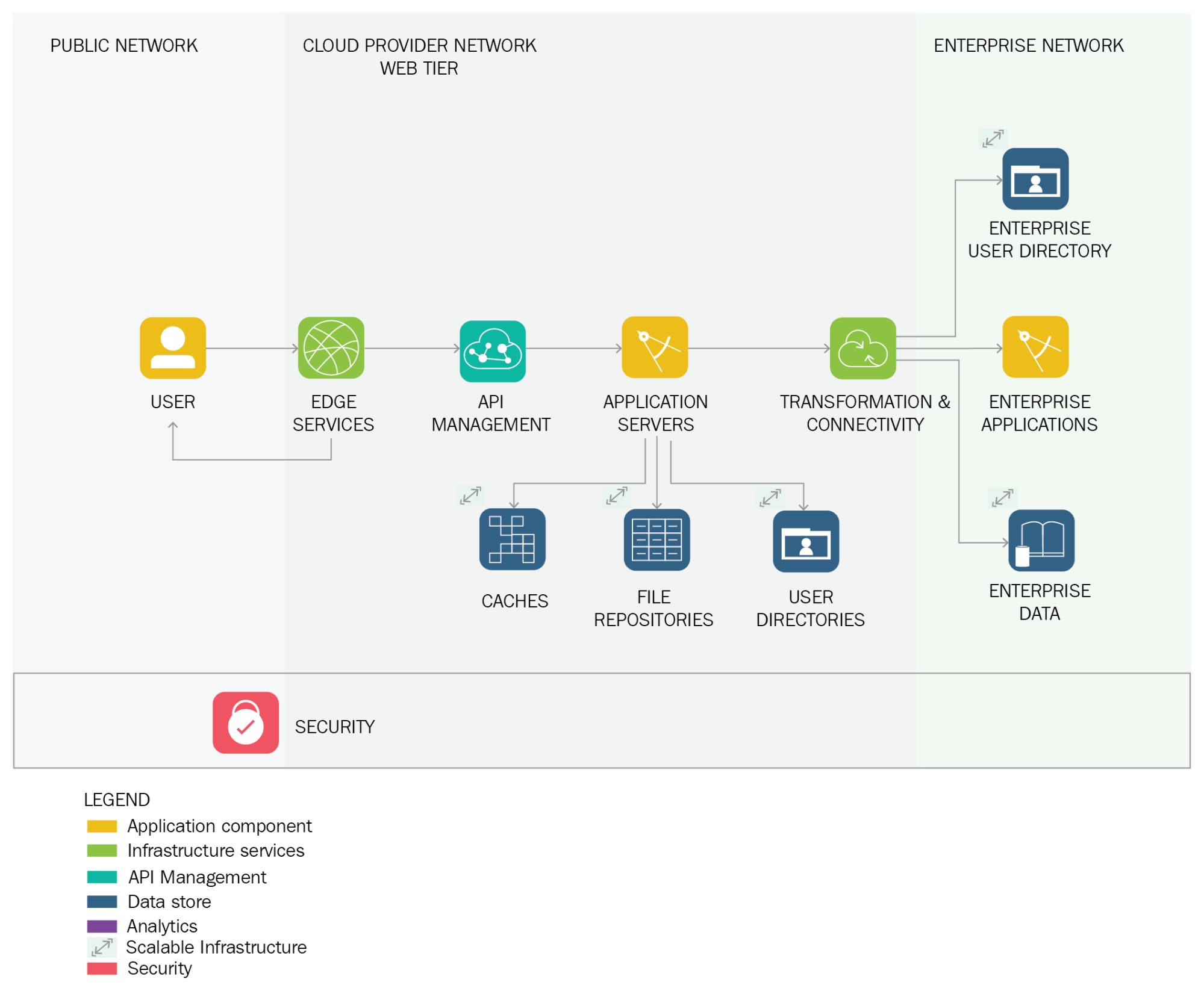
Web apps run on the internet. They don’t need installation. Just a browser is enough. They are updated easily. New features come without downloads. Web apps can be used on many devices. Phones, tablets, and computers work well. They connect with other apps too. This is called integration. Web apps often require an internet connection. Some work offline but not all. Security is important for web apps. Passwords and encryption keep data safe.
Cloud hosting means no physical servers. Your data is stored online. It’s scalable. You can add more space when needed. This is cost-effective. Pay for what you use. Cloud hosting is reliable. It has less downtime. Backups happen automatically. Your data is secure. Cloud providers have strong security measures. They protect your information. Access your web apps anywhere. Just need an internet connection. This makes work flexible.
Popular Cloud Providers
Amazon Web Services is a leading cloud provider. It offers many services for web apps. Users trust AWS for its high reliability. AWS provides global data centers. This helps apps run fast worldwide. AWS offers security features to protect data. Many businesses choose AWS for scalability. Developers like the pay-as-you-go model. Costs are only for what is used. AWS supports many programming languages. This makes it easy for developers.
Microsoft Azure is another popular cloud service. It is known for its integration with Microsoft tools. Azure supports virtual machines and databases. Many companies use Azure for enterprise solutions. It offers hybrid cloud capabilities. This allows businesses to mix on-site and cloud resources. Azure has strong security measures. It offers AI and machine learning tools. Developers find these tools useful for modern apps.
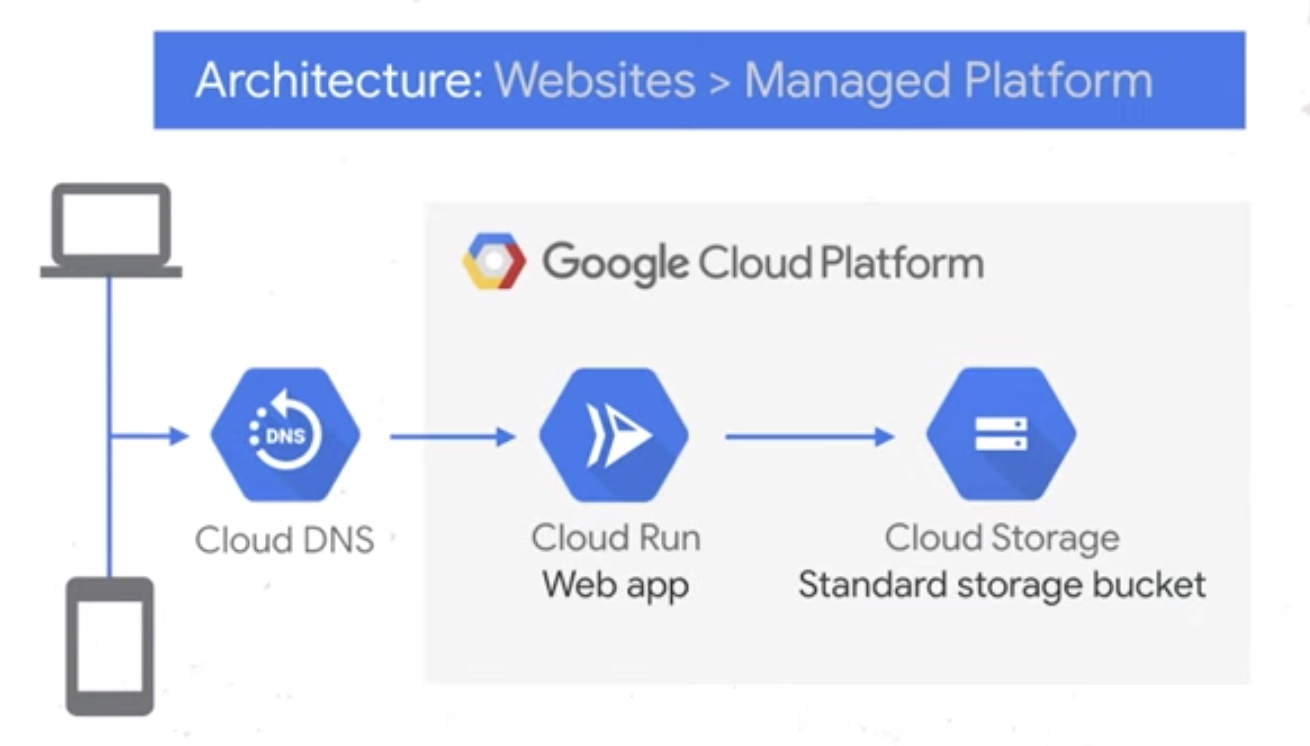
Google Cloud Platform is trusted by many. It provides fast and efficient services. Google Cloud is known for data analytics. It offers tools for big data processing. Google Cloud has a global network. This ensures apps are quick and responsive. It provides security features to keep information safe. Developers use Google Cloud for flexible pricing. It helps manage costs effectively.
Choosing The Right Cloud
Selecting the best cloud for hosting a web app is crucial. Consider factors like security, scalability, and cost. Analyze how each cloud provider supports your app’s specific needs.
Scalability And Performance
Picking the best cloud is very important. Scalability helps the app grow with users. If more people use it, the app should still work well. Performance means the app runs fast and smooth. No one likes slow apps. Check if the cloud has good speed. Also, see if it can handle many users at once. Reliability is key too. The app should work without breaks. Cost is another factor. Make sure it fits the budget. Some clouds are expensive. Some are cheap but not good. Balance is necessary. Always choose wisely. A good cloud makes apps better.
Security In Cloud Hosting
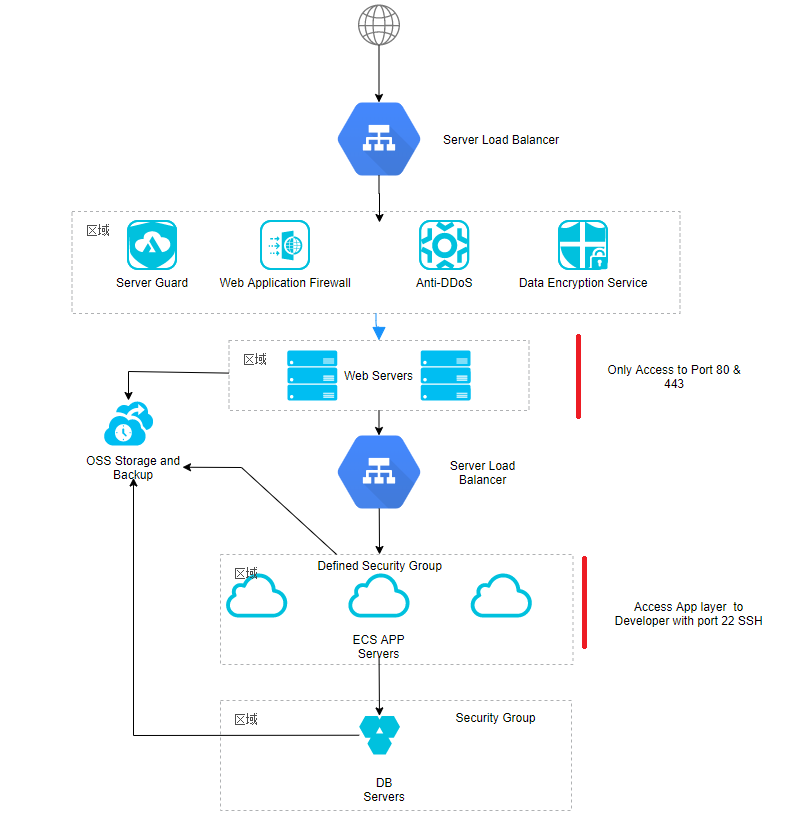
Cloud hosting uses strong data protection measures. Data is encrypted to keep it safe. This means no one can read it without permission. Firewalls are also used. They help to block bad traffic. Regular backups are made. These backups save your data in case of loss. Strong passwords are important too. They stop others from accessing your data. Always keep your software updated. Updates fix holes in security.
Cloud hosting follows strict compliance and standards. These rules keep data safe. Companies must meet these standards. It helps to keep trust. GDPR is one such rule in Europe. HIPAA is important in health care. PCI DSS is used for payment security. These standards are global. They make sure data is handled correctly. Always check if your provider follows these standards.
Credit: medium.com
Cost Implications
Many web apps use different pricing models. Some use pay-as-you-go. Others have a fixed monthly fee. Pay-as-you-go means you pay for what you use. It can save money if usage is low. Fixed plans are good for steady use. Choose what fits your needs best. Always check for hidden fees. These can add up quickly.
There are ways to save on cloud costs. Use auto-scaling to adjust resources. This helps when demand changes. Turn off unused resources. This avoids wasting money. Look for discounts or long-term plans. These can lower costs over time. Keeping an eye on usage helps, too. Monitor it regularly to avoid surprises.
Future Of Cloud Hosting
Cloud hosting is changing fast. New ideas come every day. One big trend is serverless computing. It helps apps run without managing servers. This saves time and money. Another trend is multi-cloud strategies. Companies use many clouds for different tasks. This makes their work more flexible and safe.
Artificial intelligence is helping cloud services. It makes them smarter. AI can predict problems before they happen. Edge computing is another trend. It brings data processing closer to users. This means faster apps and better experiences.
Web developers gain many tools from cloud hosting. They can build apps faster. Cloud services offer ready-made solutions. This saves developers a lot of work. Security is also better. Cloud providers protect data with strong tools. This makes web apps safer for users.
Credit: www.alibabacloud.com
Credit: www.oreilly.com
Frequently Asked Questions
Where Is Web App Hosted?
A web app is hosted on servers, which can be cloud-based like AWS, Google Cloud, or Azure. Hosting involves storing the app’s files and data, making it accessible online. Efficient hosting ensures fast loading times and secure connections for users.
Choose a reliable provider to maintain optimal performance.
Do Web Apps Run In The Cloud?
Yes, web apps can run in the cloud. Cloud hosting offers scalability, flexibility, and cost-efficiency for web applications. Developers utilize cloud services to deploy, manage, and scale apps, ensuring optimal performance. Cloud platforms like AWS, Google Cloud, and Azure provide necessary infrastructure and tools for web app deployment.
How Are Web Applications Hosted?
Web applications are hosted on servers. These servers can be cloud-based or dedicated. Hosting providers offer various plans. They ensure web applications are accessible online. Popular providers include AWS, Google Cloud, and Microsoft Azure. Choose a provider based on scalability, reliability, and cost.
Proper hosting enhances performance and security.
Is Google Cloud A Web Hosting?
Google Cloud offers web hosting services. It provides scalable infrastructure for websites, applications, and more. Users can host their websites using Google Cloud’s computing resources. It supports various hosting needs, including static sites, dynamic applications, and enterprise solutions. Its robust infrastructure ensures reliability and performance for hosted services.
Conclusion
Choosing the right cloud for hosting is crucial for web apps. It affects performance and reliability. Consider factors like cost, scalability, and security. Each cloud provider offers unique features. Understanding these helps make better decisions. Users expect smooth experiences. The right choice ensures this.
Analyze your app’s needs. Match them with the best cloud service. This leads to optimal functionality. Stay informed on technology trends. They change rapidly. Being informed keeps you ahead. A well-hosted app satisfies users. It builds trust and success. So, choose wisely.
Your app’s future depends on it.


