Are you exploring ways to enhance your WordPress site but feel overwhelmed by all the options? You’re not alone.
Many WordPress users struggle to unlock the full potential of their websites, often overlooking the powerful role editors can play in streamlining and optimizing your site. Imagine having the ability to effortlessly manage content, improve your site’s SEO, and create a seamless user experience—all with just a few clicks.
Sounds intriguing, right? Understanding what editors can do in WordPress is crucial for maximizing your site’s performance and achieving your online goals. Dive in to discover how harnessing the power of WordPress editors can transform your website into a dynamic platform that captivates your audience and drives success.
Credit: make.wordpress.org
Role Of Editors In WordPress
Editors in WordPress have a vital role. They manage content on the site. This includes editing posts and pages. They can also approve changes made by others. Editors ensure the site looks good. They keep information up-to-date. Editors also handle comments. They can delete unwanted ones. They help with media files too. This means adding or removing images. They keep the site organized. Editors work with writers to make content better. Their job is crucial for a smooth site.
Content Management
Editors play a key role in WordPress. They craft and refine posts. They make sure each post is clear. They check for errors. Editors can add images to posts. They can also format text. This helps posts look good.
Editors can schedule posts. This means posts appear at the right time. They can also save drafts. This lets them come back later. Editors can change old posts too. This keeps content fresh. They help keep the blog organized.
Categories help group posts. Tags offer more details. Editors can add or change categories. They make sure each post fits a category. This helps readers find posts easily.
Tags are like labels. Editors choose the best tags. This helps search engines find posts. Categories and tags keep the blog tidy. They make navigation simple. Readers find topics they like faster.
Media Handling
Editors can upload images and videos with ease. They use the WordPress dashboard. Images and videos are important for a website. They make pages look nice. Editing tools help improve media quality. Users can add captions to images. It helps visitors understand better. Videos also have play buttons. This makes them easy to view.
Uploading is simple. Click the “Add Media” button. Choose files from your computer. Drag and drop works too. WordPress accepts many file types. JPG and PNG are for images. MP4 is for videos. They upload quickly. Editors see a progress bar. This shows the upload status.
A tidy media library is crucial. It helps find files fast. Editors can group files into folders. Use clear names for folders. It makes things easy to locate. Tags help too. Tags describe what files are about. Users can search by tags. This saves time.
Sorting is easy. Use date or name filters. Find recent uploads quickly. Old files can be deleted. This keeps the library clean. A neat library means a neat website.
Credit: make.wordpress.org
Collaboration With Authors
Editors play a key role. They make sure content is ready. Each piece is checked for errors. They also look for clarity. Editors decide if the content is good for the blog. They give the final approval. This step is very important.
Feedback helps authors improve. Editors point out what is good. They also tell what needs fixing. Authors learn from this. Feedback should be clear and helpful. It guides authors to make their work better. This process makes the blog stronger.
Customization And Layout
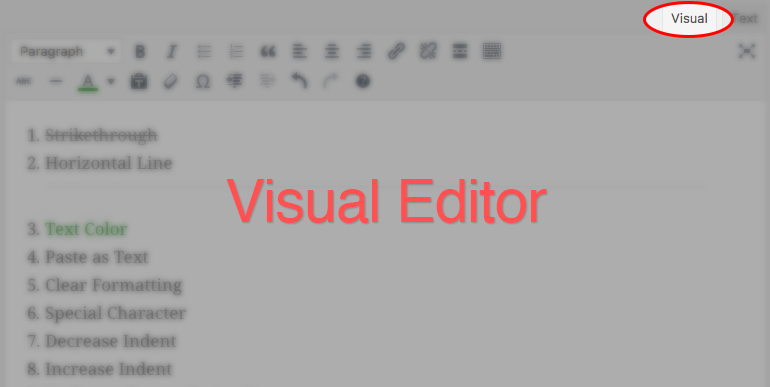
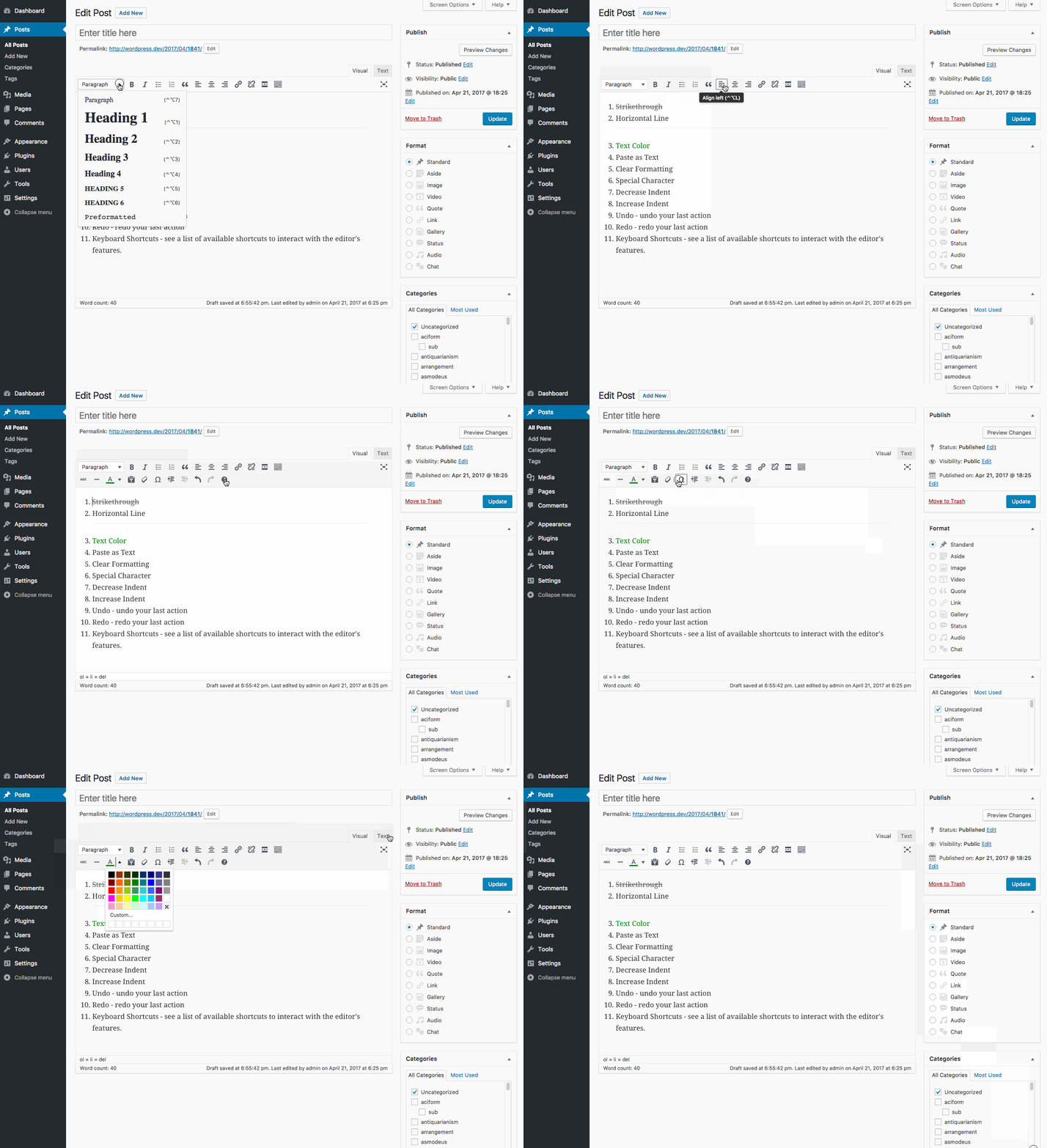
Editors can change the look of text. Make words bold or italic. Use lists to organize ideas. A numbered list or bullet points. Choose a font style that fits the blog. Keep it readable and friendly.
Add images to make posts interesting. Readers like pictures. They help explain ideas. Align text left, right, or center. Choose what looks best. Add spaces between lines for clear reading.
The Block Editor helps build pages. It uses blocks for everything. Text, images, and more. Each block is easy to move. Arrange them as you like. Add a heading block for titles. A paragraph block for text. Use an image block for pictures.
Embed videos with a video block. Drag and drop blocks to change order. Make the page look nice. Add a table block for data. Easy to read and understand. The Block Editor gives many choices. Simple and fun to use.

Credit: www.gsplugins.com
Seo Optimization
Editors can use SEO tools to help websites rank higher. These tools can check for keywords that people search for. They also help in finding the best words for your content. Editors can see how the website is doing. Tools show if the site is easy to find. They also suggest changes to make it better. Using these tools is simple. They show results quickly. Editors can use them without extra training. Websites get better with these tools. They are handy for everyone.
Meta descriptions are short texts that show on search results. They tell what the page is about. Editors should write clear and catchy meta descriptions. Short sentences work best. Use important words in them. They help attract readers. Readers click more if meta descriptions are good. They should make sense and be easy to read. Editors can use tools to check their meta descriptions. This helps in improving them. Meta descriptions are important for SEO. They help in getting more visitors.
Monitoring Site Performance
Editors can check website analytics to see how many people visit. Analytics show what pages are popular. They also show how long visitors stay. This helps in understanding user interests. Editors can use this data to improve the site. Using simple tools like Google Analytics can be very helpful.
Content strategy is important for site success. Editors can make content better by understanding what users like. They can update old posts to make them relevant. Adding new and interesting content keeps readers engaged. Consistently checking analytics helps in making informed decisions. This makes the site more valuable for readers.
Ensuring Content Quality
Editors help make content clear and error-free. They check for mistakes in spelling and grammar. This makes the text easy to read. They also make sure the ideas are clear. Good ideas need clear words. Editors also make sure there are no extra words. Less is more. This keeps readers happy.
Consistency is key in writing. Editors help keep the style the same. They make sure the tone does not change. This helps readers understand better. They check the format and style. This includes font, size, and headings. Consistent writing feels nice to read. It is also easy to follow.
User Permissions And Roles
Editors in WordPress have special tasks. They can assign roles to users. These roles decide what a user can do. Common roles are Admin, Editor, and Author. Each role has different rights. Admins can do everything. Editors can change and publish posts. Authors can write and manage their posts. Choose the right role for each user. This helps keep the website safe and organized.
Editors help manage who can see what. They can control user access to different parts of the site. This is important for keeping information secure. Editors make sure only trusted users can edit. They can change settings to allow or block user actions. This keeps the website running smoothly. Proper access management prevents unwanted changes.
Frequently Asked Questions
What Roles Do Editors Have In WordPress?
Editors in WordPress manage content, moderate comments, and update plugins. They can also edit posts, pages, and tags. Editors oversee the work of contributors and authors. They ensure content quality and maintain website consistency. Their role is crucial for content strategy and website management.
How Can Editors Improve WordPress Content?
Editors enhance WordPress content by ensuring clarity, coherence, and quality. They optimize content for SEO, increasing visibility. Editors also format content for readability and engagement. They collaborate with authors for accuracy and relevance. Their role is pivotal in maintaining a professional and appealing website.
Can Editors Customize WordPress Themes?
Editors typically cannot customize WordPress themes. This task is usually reserved for administrators. However, editors can suggest theme changes to improve aesthetics or functionality. Their focus remains on content management and quality assurance. Collaboration with administrators is key for theme customization.
Are Editors Responsible For WordPress Seo?
Editors play a significant role in WordPress SEO. They optimize content with keywords, meta descriptions, and alt text. Editors ensure content readability and engagement, improving SEO rankings. They collaborate with SEO specialists for best practices. Their role is essential for enhancing online visibility and traffic.
Conclusion
Editors have many roles in WordPress. They shape content and ensure quality. Their tasks include proofreading, formatting, and optimizing for SEO. They make content engaging and readable. Editors collaborate with writers, enhancing ideas and clarity. They manage revisions and keep content consistent.
WordPress tools assist editors in these tasks. A skilled editor boosts site credibility and user experience. Understanding editor roles enhances content strategy. Effective editing leads to successful WordPress sites. Keep your content polished and professional. Editors are vital in achieving this goal.
Embrace their expertise for better results.