
Have you ever wondered what exactly powers your favorite websites? At the heart of every website is a web server host.
But what can act as a web server host? You might be surprised to find out that it’s not just high-end servers in data centers. In fact, there are several options available that could fit your needs, whether you’re building a small personal blog or a large-scale business platform.
Imagine having the freedom to choose the perfect hosting environment for your website, one that matches your specific requirements and budget. By understanding the different types of web server hosts, you can make informed decisions that enhance the performance and reliability of your site. You’re about to discover the range of possibilities, from traditional setups to more innovative solutions. Stick around, because finding the right web server host could be the game-changer you’ve been looking for.
Credit: www.hostinger.com
Types Of Web Server Hosts
Shared hosting is very common. Many websites use it. Multiple sites share one server. This keeps costs low. But, the speed might be slow. If one site gets busy, others slow down. It’s good for small websites. Easy to set up. Beginners like shared hosting. It’s budget-friendly.
Virtual Private Servers, or VPS, are better than shared hosting. Resources are divided more fairly. Each site gets its own part of the server. More control for site owners. Faster than shared hosting. Costs are higher. Good for medium sites. Customizable settings make it flexible.
Dedicated servers are powerful. Only one site on each server. Offers maximum control. High speed and performance. Good for large websites. Expensive, but worth it for big sites. Secure and reliable. Best for businesses with heavy traffic.
Cloud hosting uses many servers. If one fails, others help. Scalable and flexible. Pay for what you use. Good for sites that grow fast. Reliable and secure. Can handle high traffic. Costs vary. Efficient for dynamic needs.
Operating Systems For Web Servers
Linux is very popular for web servers. It is free and open source. Many people use it because it is safe. It is also stable. Linux can handle many tasks at once. This makes it a favorite choice for businesses. Many big companies use it for their web servers.
Many people like Windows servers for their web hosting. They are easy to use. Windows servers can run many programs. They work well with Microsoft software. They are good for businesses that use Microsoft tools. Windows servers need licenses, though. This can cost money.
Mac servers are not as common. They are very user-friendly. Mac servers work well for creative tasks. They have good software for media editing. Many artists and designers like them. But, they can be expensive. Mac servers are not as flexible as Linux or Windows.
Hosting Providers
Many companies offer web hosting services. Some of the most popular hosting companies include Bluehost, HostGator, and SiteGround. Each company has its own features and plans. It’s important to choose the right one for your needs. Bluehost is known for its easy setup. HostGator offers a lot of options. SiteGround is great for support. Consider what you need for your website. Compare prices and features. Ensure the company provides reliable service. Good hosting is key to a successful website.
Think about your website’s purpose. What features do you need? Do you want easy setup? Is good support important? Check the company’s reviews. Make sure they have reliable uptime. Consider your budget. Some providers are more expensive. Others are budget-friendly. Look at the different plans. Some offer more storage. Others have better security. Choose a provider that fits your needs. A good choice makes your website work well.
Self-hosting Options
Various devices can serve as web server hosts, including personal computers, dedicated servers, and virtual private servers. These options offer flexibility in managing resources and configuring settings for optimal performance. Selecting the right server host depends on your project’s specific needs and budget constraints.
Home Servers
A home server is a computer at your house. It can host websites. You need a stable internet connection. The computer acts as the web server. It serves your website to the world. This is good for learning. It can be fun and educational.
Most people use an old computer. It does not have to be new. You need to install server software. For example, Apache or Nginx. Be sure to have backups. This keeps your data safe. Protecting your server is important. Security matters.
Diy Hosting
DIY hosting is making your own web server. You build it yourself. This can be cheap. You can use a Raspberry Pi. It’s a small computer. It is good for small websites. You learn a lot by doing this. It’s a great hobby.
You must keep it updated. Updates fix bugs. They make it secure. A DIY server is fun to build. It teaches responsibility. You also learn about the internet. It’s a hands-on way to learn.
Factors Affecting Host Choice
Budget is a key factor. Some hosts are cheap, others are not. Always check what you get for the price. Expensive doesn’t mean best. Compare different hosts. Find the one that fits your needs. Hidden fees can surprise you. Read the fine print.
Speed is important. No one likes a slow site. Uptime matters too. Your site should be online all the time. Some hosts offer better bandwidth. This helps with lots of visitors. Always check server location. Closer servers mean faster loading.
Safety is a must. Look for hosts with strong firewalls. They protect against threats. SSL certificates are also key. They keep data safe. Some hosts offer backups. This helps if data gets lost. Always check for malware protection. It keeps your site clean.
Credit: www.webopedia.com
Future Trends In Web Hosting
Green hosting uses clean energy. It helps save the planet. Servers run on wind or solar power. This means less pollution. Companies are trying to be eco-friendly. They want to cut down on energy waste. Green hosting is good for the Earth.
AI makes web hosting smart. It fixes problems fast. Automation helps with tasks. It saves time and effort. Hosting becomes smooth and easy. AI learns and improves over time. This means better service for users.
Edge computing brings data close to users. It makes websites faster. Data travels less. This means less delay. Hosting becomes local. Users get better performance. Edge computing is the future of web hosting.
Credit: www.godaddy.com
Frequently Asked Questions
What Is An Example Of A Web Server?
An example of a web server is Apache HTTP Server. It is widely used, open-source, and reliable. Apache supports various operating systems and provides robust performance for hosting websites. It is highly customizable with modules, making it suitable for diverse web applications and services.
What Does A Web Server Host?
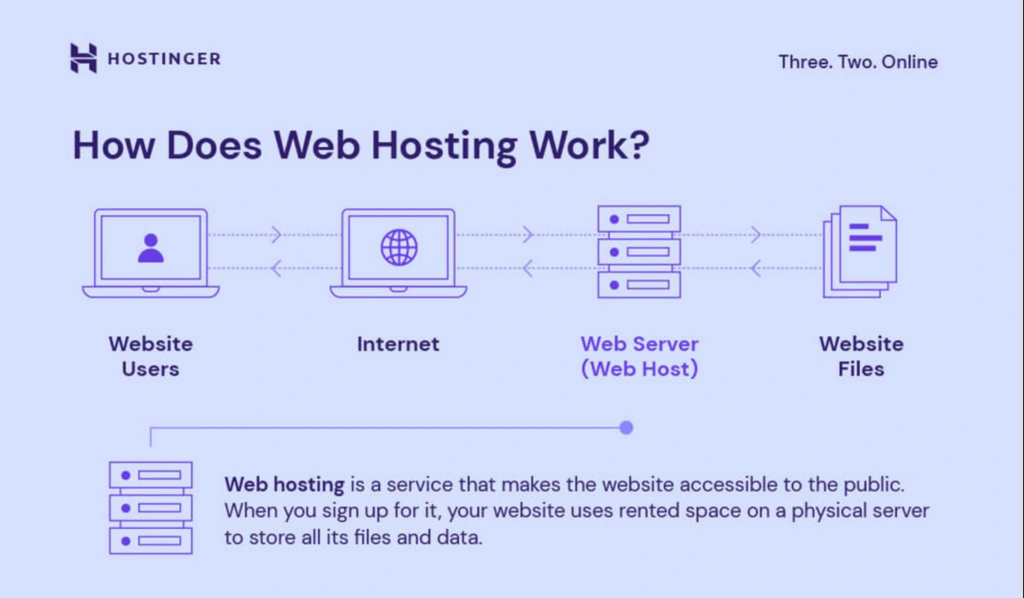
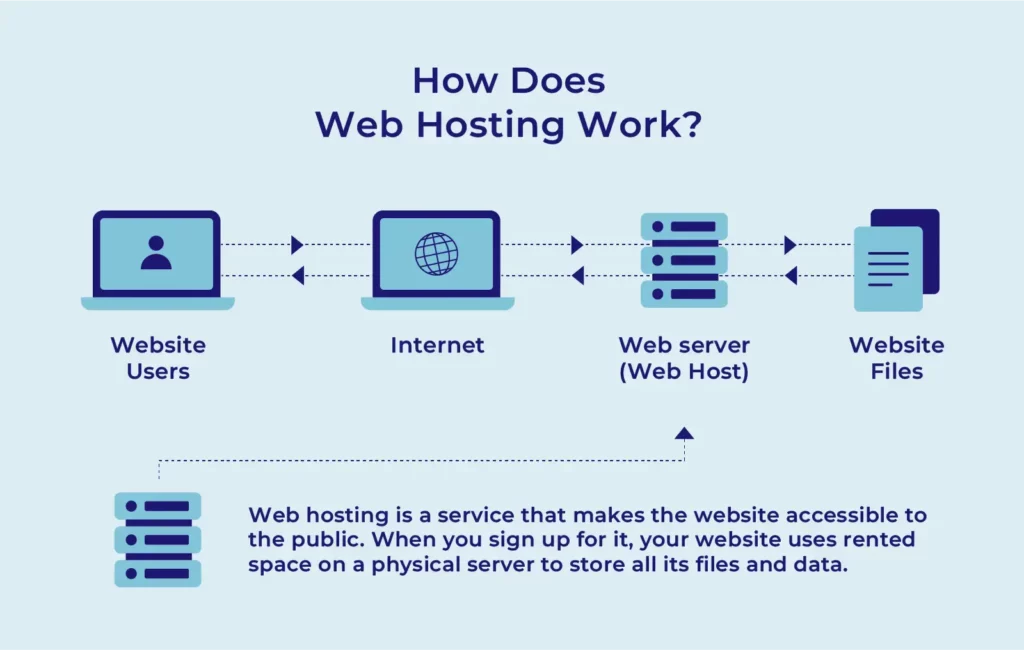
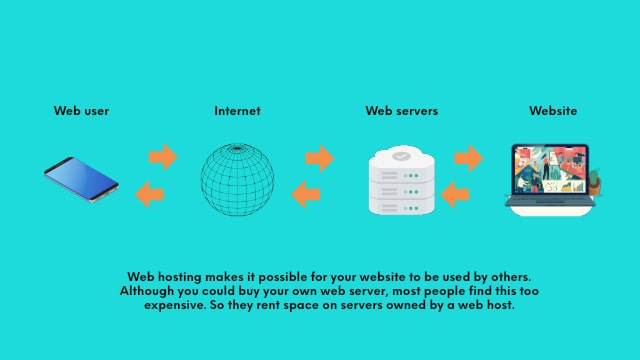
A web server hosts websites, storing files like HTML, CSS, images, and scripts. It delivers these files to users’ browsers, making websites accessible online. Web servers also manage domain names and handle incoming requests, ensuring efficient data transfer and website functionality.
They play a crucial role in maintaining online presence.
How Do I Host My Own Website Server?
Begin by selecting a reliable server hardware and installing a suitable operating system. Configure network settings and secure the server with firewalls. Choose and install web server software like Apache or Nginx. Upload your website files and configure DNS settings.
Regularly maintain and update the server for optimal performance.
What Is Considered Web Hosting?
Web hosting stores website files on servers, enabling online accessibility. It provides essential resources like storage, bandwidth, and security. Hosting services ensure reliable website performance and uptime. Users can choose from various hosting types, such as shared, VPS, or dedicated, based on their needs and budget.
Conclusion
Choosing a web server host involves many options. Each has unique benefits. Consider your needs carefully. Shared hosting suits small websites. Dedicated servers provide more control. Cloud hosting offers flexibility. Virtual Private Servers (VPS) balance cost and performance. Open-source options can save money.
Evaluate security features too. Good support is vital for smooth operation. Research thoroughly before deciding. Your website’s success depends on the right choice. Make an informed decision. Select a host that aligns with your goals. Keep future growth in mind.
Ensure your choice supports expansion. A reliable host ensures a stable online presence.


