
Are you looking to launch your own website but feeling overwhelmed by the web hosting choices? You’re not alone.
Choosing the right type of web hosting can be tricky, but it’s crucial for the success of your site. You want your website to be fast, reliable, and secure—features that largely depend on the hosting service you choose. So, why not arm yourself with the knowledge needed to make the best choice?
You’ll explore the different types of web hosting available, each with its own strengths and weaknesses. By the end, you’ll know exactly what kind of hosting suits your needs. Keep reading to unlock the potential of your online presence and avoid costly mistakes.

Credit: www.siteground.com
Shared Hosting
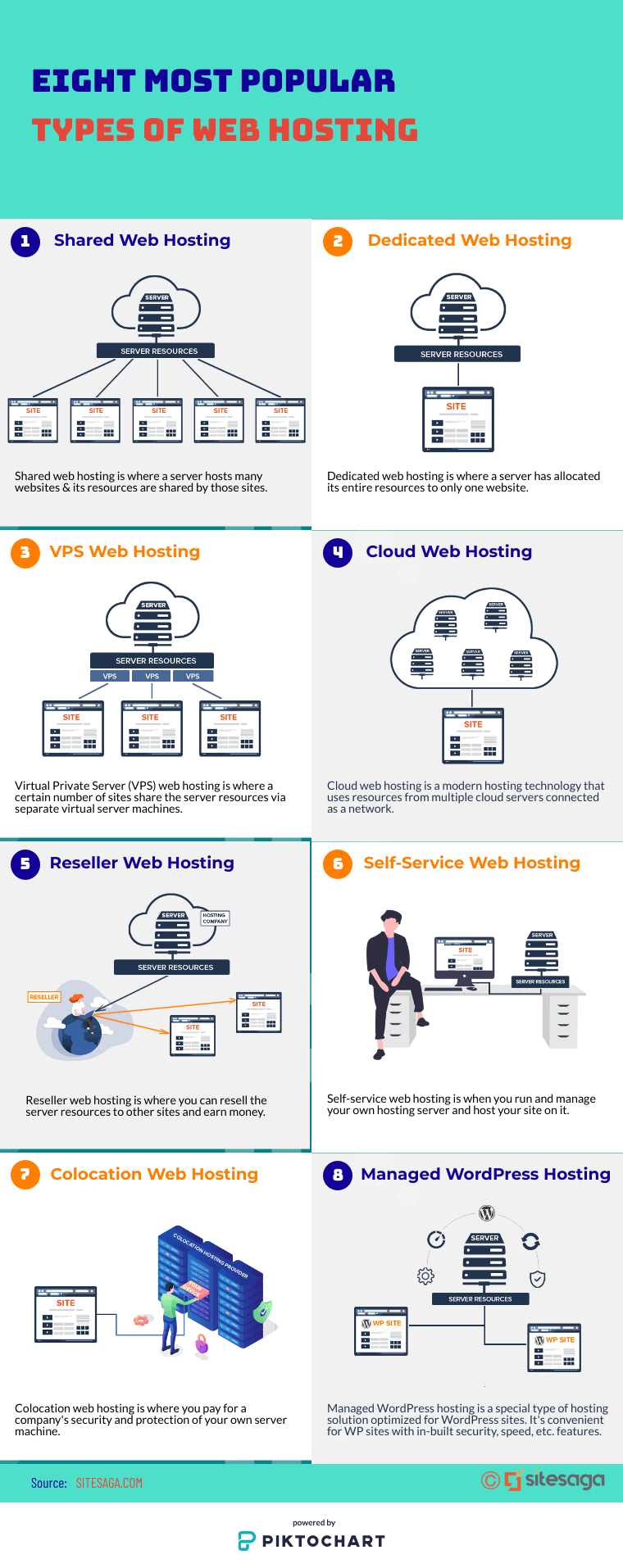
Shared hosting is a popular choice for beginners. It is cost-effective and easy to use. Many websites share one server. This means you split the cost. It is good for small websites and blogs. But it has some limits. If one site gets busy, others might slow down. You have less control over the server settings. For some, this might be a problem.
Small business owners often choose shared hosting. Bloggers also find it useful. It suits people with basic needs. If you have a tight budget, shared hosting is a great start. It works for sites with low traffic. It is easy to manage for beginners.
Vps Hosting
Resource Allocation is key in VPS hosting. Each user gets a portion of server resources. This means better control over CPU, RAM, and storage. It’s like having a slice of cake that is just for you. Resources don’t mix with others. This ensures consistent performance and reliability.
Customization Options are vast with VPS hosting. Users can install software that fits their needs. Change settings as desired. This flexibility makes it suitable for many tasks. It’s like decorating your room in your favorite style. You have control over what you do.
Suitable Applications include hosting websites, running applications, and testing environments. VPS is perfect for small to medium businesses. It handles more traffic than shared hosting. Developers use it for testing code. It’s like having a small lab for your experiments. VPS makes complex tasks easier.
Dedicated Hosting
Complete Control of your server is a big plus with dedicated hosting. You can choose the software and hardware you need. This means your site runs just how you want it.
Performance and Security are top-notch. Since you have your own server, no one else can slow it down. Your data stays safe, with less chance of hacking. You can also add extra security features.
Who Should Consider dedicated hosting? Large businesses with lots of traffic need it. If your site needs special software, this type is best. It’s also good for sites needing high security.
Cloud Hosting
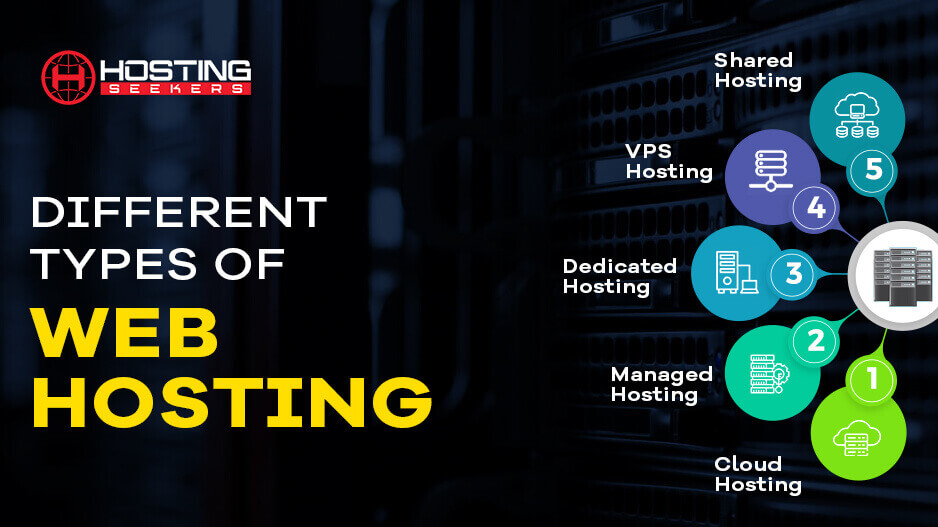
Cloud hosting is a popular type of web hosting. It offers flexibility and scalability for websites. Other types include shared, dedicated, and VPS hosting. Each type has unique features, catering to different needs.
Scalability And Flexibility
Cloud hosting offers unmatched scalability. Add more resources as your site grows. This means you can handle more visitors easily. It also provides great flexibility. You can adjust server settings quickly. Cloud hosting adapts to your needs. So, it fits both small and big projects.
Cost Efficiency
Cloud hosting can be cost-effective. Pay only for what you use. No need to buy extra resources in advance. This is called pay-as-you-go. It saves money compared to traditional hosting. You avoid paying for unused space. This makes it a smart choice for budget-conscious users.
Business Use Cases
Many businesses choose cloud hosting. It suits e-commerce sites well. Handle sudden spikes in traffic easily. It is also good for startups. Scale up without buying new hardware. Even educational sites use cloud hosting. They need flexible resources for students. Cloud hosting fits various business needs.
Managed Hosting
Managed hosting offers strong technical support
Managed hosting includes maintenance services. Servers are updated regularly. Security patches are applied. Performance is optimized. Users do not worry about maintenance. Hosting providers manage everything. This ensures a secure environment. Users enjoy peace of mind. Managed hosting suits certain industries best. Finance, healthcare, and e-commerce benefit greatly. These industries require robust security. High uptime is crucial. Managed hosting meets these needs. It provides reliable service. Sensitive data stays safe. Businesses operate efficiently.
Credit: www.hostingseekers.com
Colocation Hosting
Colocation hosting gives you full control over your server. You decide the hardware and software. This option is like owning your home instead of renting. You can tweak and change settings anytime. The server is in a secure data center. This ensures reliability and security.
Colocation can be more expensive than shared hosting. You pay for the server and the data center space. Maintenance is your responsibility. Unexpected repairs can add to costs. Costs are higher, but you gain complete control.
Businesses with tech skills prefer colocation. It is also ideal for those needing specific server setups. Companies that handle sensitive data find it useful. They value the security it offers. This service is not for beginners. It suits those with some technical knowledge.
Reseller Hosting
Business Opportunities abound in reseller hosting. You can sell hosting services to others. It’s like renting space in a big building. You pay for the whole space. Then, you rent smaller parts to others. This can be a way to earn money. You create a business with little investment. Many people use reseller hosting to start a web business.
Requirements for Resellers include knowing about hosting. You should understand technical details. Customer support is important. You need to help your clients. They rely on you for solutions. You should have a plan for managing resources. Proper tools make work easier. A control panel helps manage accounts.
Client Management is key in reseller hosting. You must manage accounts well. Keep track of each client’s space and usage. Offer support when needed. Clients may have questions or problems. You need to be ready to help. Good client management builds trust. Happy clients stay longer.
Credit: www.sitesaga.com
WordPress Hosting
WordPress hosting gives great speed. It handles many visitors. Servers are made for WordPress. This makes the site run fast. Plugins help boost performance. Updates happen often. Sites stay fresh.
Security is very strong. Firewalls protect sites from attacks. There are backups every day. These keep your data safe. SSL certificates are used. They make sure data is private. Users feel safe using the site.
Many people use WordPress hosting. It is good for bloggers. Small businesses like it too. Designers use it for easy setup. Beginners find it simple to use. It helps reach many readers.
Frequently Asked Questions
What Are The 3 Types Of Web Hosting?
Shared hosting, VPS hosting, and dedicated hosting are the three main types of web hosting. Shared hosting involves sharing server resources with other websites. VPS hosting provides a virtual private server with dedicated resources. Dedicated hosting offers an entire server exclusively for one website, ensuring maximum control and performance.
What Is The Best Type Of Web Hosting?
The best web hosting type depends on your needs. Shared hosting is budget-friendly, while VPS offers more control. Dedicated hosting provides maximum resources. Consider cloud hosting for scalability. Evaluate your website’s traffic, budget, and technical requirements to choose the optimal solution.
Ensure the host offers reliable support and security features.
How Many Web Hosting Are There?
There are many types of web hosting: shared, VPS, dedicated, cloud, reseller, and managed hosting. Each type offers unique features and caters to different needs. Choose based on your website’s requirements, traffic, and budget. Popular providers include Bluehost, HostGator, SiteGround, and DreamHost.
What Is An Example Of Hosting A Website?
An example of hosting a website is using a service like Bluehost or SiteGround. These providers offer server space, domain registration, and technical support. They ensure your website is accessible online and provide tools for site management, making it easier for businesses or individuals to maintain their online presence.
Conclusion
Choosing the right web hosting type is crucial. It affects your site’s performance. Shared hosting is budget-friendly. But it may slow down with high traffic. VPS offers more resources. Suitable for growing sites. Dedicated hosting provides complete control. Best for large businesses.
Cloud hosting is flexible. It adapts to traffic changes. Consider your site’s needs. Budget, traffic, and control matter. Research options carefully. Make an informed decision. The right choice boosts your website’s success. Your online presence depends on it. Pick wisely.
Enjoy a smooth web experience.


