
Are you ready to launch your website but feeling overwhelmed by the technical jargon of web hosting? You’re not alone.
Navigating the world of web hosting can seem like a daunting task, especially when you’re bombarded with terms and features that sound like a foreign language. But here’s the good news: understanding the basic features of web hosting doesn’t have to be complicated.
In fact, once you grasp the essentials, you’ll feel more confident in choosing the right hosting solution for your needs. So, whether you’re starting a personal blog or building an online store, discovering these key features will empower you to make informed decisions and bring your digital vision to life. Keep reading to unravel the mysteries of web hosting and take the first step toward your online success.
Credit: www.cloudpanel.io
Types Of Web Hosting
Shared hosting is like sharing a room with friends. Many websites use the same server. This is cheap and easy to use. Good for small websites. But, if one site uses too much, others slow down. Best for beginners with low traffic.
VPS hosting is a step up from shared. Each site gets its own part of the server. More power and control than shared. Good for growing websites. Costs more than shared but less than dedicated. A great choice for medium-sized businesses.
Dedicated hosting means one server for one site. Lots of power and control. Best for big websites with lots of visitors. Costs more, but very fast. Great for businesses that need high performance.
Cloud hosting uses many servers together. If one server fails, others help. Very reliable and can grow with your site. Pay for what you use. Good for sites with changing traffic. Great for businesses that grow fast.
Storage And Bandwidth
Web hosting gives you disk space for your files. This space is like a shelf. You keep your website stuff here. It can hold images, text, and videos. More disk space means more files. Choose a plan with enough space. Too little space? Your site may not work well. Too much? You might pay more than needed. Always check how much space you need first.
Data transfer is how much data moves from your site to users. Think of it as a road. Bigger roads can handle more cars. Some hosting plans limit this. If too many people visit, your site may slow. Some plans offer unlimited transfer. Always check your hosting plan’s limits. Make sure it fits your needs.
Domain Management
Every website needs a unique domain name. It’s like the address for your site. Domain registration is the first step. Choose a name that fits your site. Make sure it’s easy to remember. Some names are already taken. So, you might have to try a few. Prices for domains can vary. It’s usually low but check for deals. Remember, you need to renew your domain. This keeps your site online.
Subdomains help organize your site. They are parts of your main domain. Like blog.yoursite.com. They make sections easy to find. You can create many subdomains. Each can have different content. This helps manage big sites. Setting up is easy. Your hosting provider can help. Subdomains are free with most plans. They give more control over your site. They are like rooms in your online house.
Credit: www.bgocloud.com
Email Hosting
Email hosting provides you with custom email accounts. You can have an email like you@yourdomain.com. This looks more professional than using free email services. Businesses often prefer this. It helps in building trust with customers. You can create many accounts for different needs. Each person in your company can have their own email. This is very helpful for organizing work.
Spam filters keep your inbox clean from unwanted emails. They block emails that look suspicious. This protects you from scams and junk emails. Spam filters help in saving time. You don’t have to go through many unwanted messages. They make sure important emails reach you. This is an essential feature for everyone using email hosting. It keeps your communication smooth and secure.
Security Features
An SSL Certificate protects your website. It encrypts data between your site and visitors. This stops hackers from seeing private information. Websites with SSL show a padlock icon. Visitors feel safe when they see this icon. SSL also helps your site rank better in search engines. Search engines trust sites with SSL more. So, SSL is good for both security and SEO.
Firewall Protection acts as a shield. It blocks harmful traffic before it reaches your site. Firewalls stop attacks from hackers. They keep your data safe from theft. Firewalls can be hardware or software-based. Both types are important for security. They monitor incoming and outgoing traffic. Firewalls detect threats and protect your site. So, they play a key role in web security.
Customer Support
Having access to 24/7 support is vital for web hosting. Problems can happen anytime. Day or night. With round-the-clock support, you get help fast. This feature ensures your website stays up and running. No need to wait for office hours. Help is just a call or chat away. This builds trust and peace of mind.
A knowledge base is a library of helpful articles. It answers common questions. Users can find solutions on their own. It saves time and effort. This tool is always available. Day or night. Users can learn about web hosting features. Or fix simple problems. It makes users more independent. And confident in handling their websites.
Control Panel Options
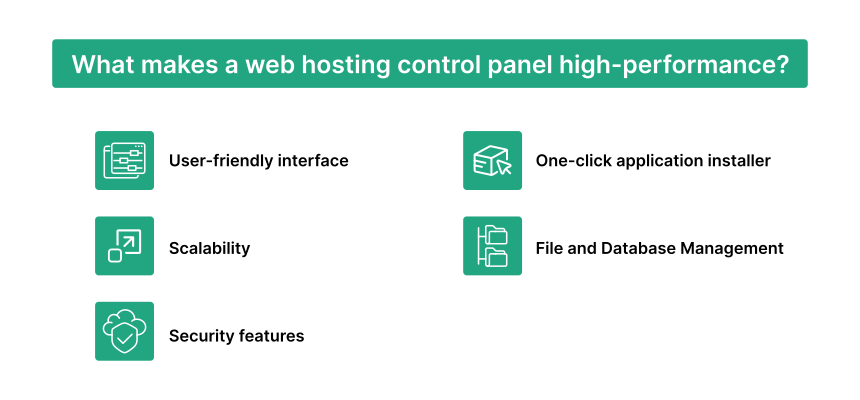
cPanel is a popular web hosting control panel. It helps manage websites easily. Users can handle files, email, and databases. The interface is user-friendly. Even beginners find it easy to use. Security features are strong. Backup options are available. Software installation is quick with cPanel. It supports multiple languages. Many hosting companies offer cPanel.
Plesk is another web hosting control panel. It is known for its flexibility. Users can manage websites and apps. Plesk supports both Windows and Linux servers. The interface is clean and simple. It includes security tools. Plesk offers strong backup features. Users can automate tasks easily. Many developers prefer Plesk. It supports various programming languages.
Performance And Uptime
Server speed is very important. Fast servers help websites load quickly. Slow servers cause delays. Visitors dislike waiting. This can lead to fewer visitors. Fast server speed is key. Web hosts should have fast servers. This keeps websites running smoothly.
Uptime is the time a server stays online. High uptime is crucial. Websites need to be online always. Hosts offer uptime guarantees. This promise means servers stay up 99.9% of the time. If servers go down, users face issues. High uptime is a sign of good hosting.
Scalability
Scalability is important for websites. Websites grow over time. As they grow, they need more resources. Web hosting should allow easy resource upgrades. Upgrades keep the website running smoothly. Traffic increases can slow down sites. With scalable hosting, you manage traffic well. It prevents slowdowns during high traffic. Websites need this flexibility. It ensures good performance.
Web hosting must offer flexible resource upgrades. More storage, better speed, extra bandwidth. These are necessary for growing sites. Hosting plans should allow easy changes. Changes based on needs. Websites stay fast and reliable with upgrades. This helps user experience. Keeps visitors happy. Helps business growth.
Handling traffic spikes is crucial. Websites attract many visitors. Sudden traffic can occur. Good hosting manages it well. Prevents site crashes. Keeps pages loading quickly. Balances server load. Ensures smooth user interaction. Hosting should adapt to traffic changes. This maintains performance. Supports site stability.

Credit: www.hostpapa.com
Frequently Asked Questions
What Is Basic Web Hosting?
Basic web hosting provides server space for your website files. It includes essential services like storage, bandwidth, and email accounts. This hosting type is ideal for small sites needing minimal resources and support. It ensures your site is accessible online, allowing visitors to browse your content efficiently.
What Are The 3 Types Of Web Hosting?
The three types of web hosting are shared hosting, VPS hosting, and dedicated hosting. Shared hosting shares resources among multiple websites. VPS hosting offers a virtual private server with dedicated resources. Dedicated hosting provides a server exclusively for one website, ensuring maximum control and performance.
What Are The Functions Of Web Hosting?
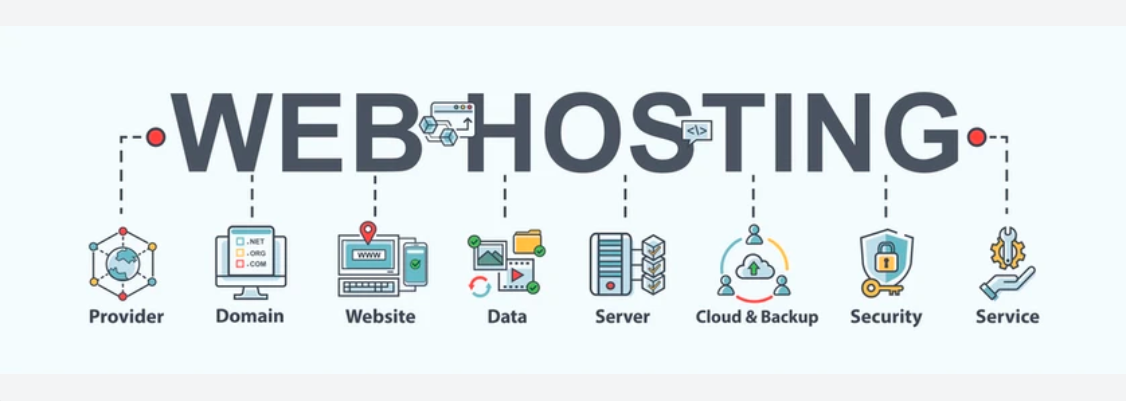
Web hosting stores website files on servers, making them accessible online. It provides bandwidth, security, and technical support. Hosting ensures websites remain live and perform efficiently. It allows domain management and data storage.
What Are The Features Of A Web Server?
Web servers manage client requests, serve web pages, and handle HTTP protocols. They support load balancing, cache management, and security features. They ensure efficient data processing and provide server-side scripting capabilities. Web servers also offer customizable configuration settings and support for various web technologies.
Conclusion
Web hosting is crucial for your online presence. It provides essential features like storage, bandwidth, and security. These elements ensure your website runs smoothly and stays accessible. Choosing the right web hosting plan is important. It affects your site’s speed and reliability.
Always consider your website’s needs and budget. Select a provider that offers good customer support. This helps solve issues quickly. Remember, a good web hosting service is the backbone of your website. It supports your online goals and growth. Start with a basic plan and upgrade as needed.
Make your website work for you.


