
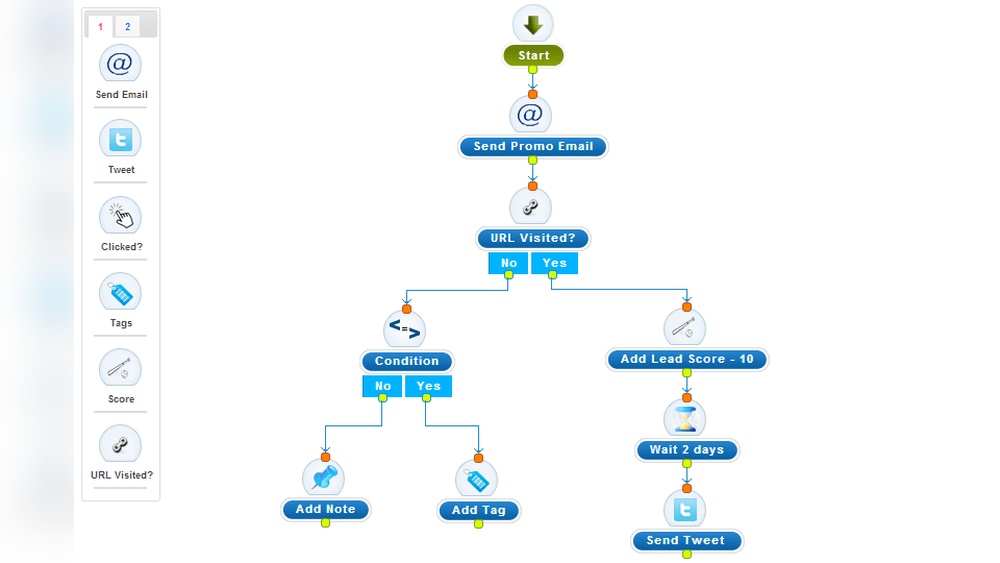
Are you looking to boost your business’s efficiency and close more deals without burning out your team? Understanding what sales and marketing automation solutions are could be the game-changer you need.
These tools help you save time by automating repetitive tasks, so you can focus on building relationships and growing your revenue. Imagine having a system that nurtures your leads, manages your campaigns, and speeds up your sales process—all working quietly in the background.
Ready to discover how these solutions can transform your workflow and give you a competitive edge? Keep reading to unlock the secrets of sales and marketing automation.
Sales Automation Basics
Sales automation simplifies the sales process by using technology. It helps sales teams manage tasks and close deals faster. This approach reduces manual work and keeps sales activities organized.
By automating routine tasks, salespeople spend more time talking to customers. It also improves accuracy in tracking leads and managing follow-ups. Understanding the basics of sales automation is key to improving sales efficiency.
Key Features Of Sales Automation
- Lead and contact management to organize customer information.
- Automated follow-up reminders to ensure timely communication.
- Sales pipeline tracking to monitor deal progress.
- Task automation for routine activities like data entry.
- Reporting and analytics to measure sales performance.
Benefits For Sales Teams
- More time focused on selling rather than admin work.
- Improved lead management and quicker response times.
- Clear visibility into sales stages and progress.
- Better coordination within the sales team.
- Higher chances of closing deals with timely follow-ups.
Common Sales Automation Tools
- Customer Relationship Management (CRM) platforms like Salesforce and HubSpot.
- Email automation tools for sending follow-ups and newsletters.
- Lead scoring software to prioritize high-potential prospects.
- Sales pipeline management apps to track deals visually.
- Task management tools to assign and monitor daily sales tasks.

Credit: getoncrm.com
Marketing Automation Essentials
Marketing automation uses software to handle marketing tasks automatically. It helps businesses reach more people with less effort. This technology works across many channels like email, social media, and websites.
It saves time by automating repetitive tasks. It also improves how marketers connect with customers. Marketing automation creates personalized experiences for each user. This makes marketing more effective and efficient.
Core Functions Of Marketing Automation
Marketing automation systems manage many tasks in one place. They help create and send emails automatically. They track how customers interact with content. They score leads to identify the most interested buyers.
They segment audiences based on behavior or preferences. This allows sending the right message to the right group. Automation tools also schedule posts on social media platforms. They collect data and generate reports for better decisions.
Advantages For Marketing Campaigns
Marketing automation saves time and reduces human error. Campaigns run smoothly without constant manual work. It helps deliver personalized messages to many people at once.
Marketers can track results in real-time. This helps improve campaigns quickly. Automation also increases customer engagement and loyalty. It nurtures leads until they are ready to buy.
Popular Marketing Automation Platforms
Several tools offer marketing automation features for businesses. HubSpot is user-friendly and suits small to medium companies. Mailchimp focuses on email marketing with automation options.
Marketo provides advanced features for larger enterprises. ActiveCampaign combines email, automation, and CRM functions. Each platform offers unique tools to fit different business needs.
Sales Vs Marketing Automation
Sales and marketing automation solutions help businesses save time and improve efficiency. Both automate repetitive tasks but serve different purposes. Understanding their differences helps teams work better together. This section explains how sales and marketing automation differ and how they connect.
Differences In Goals And Focus
Marketing automation aims to attract and nurture leads. It sends targeted messages to educate and engage potential customers. The goal is to build interest over time. Sales automation focuses on managing leads who are ready to buy. It helps sales teams track prospects and close deals faster. Marketing cares about awareness. Sales cares about conversion.
How They Complement Each Other
Marketing automation warms up leads by providing useful content. Sales automation takes those warmed-up leads and guides them through buying steps. Marketing keeps prospects interested and informed. Sales turns interested prospects into customers. Together, they create a smooth customer journey from first contact to sale.
Integration Between Sales And Marketing Tools
Integrated tools share data between sales and marketing teams. Marketing systems send qualified leads directly to sales platforms. Sales teams update lead status and feedback back to marketing. This helps both teams track progress and improve strategies. Integration reduces manual work and avoids data gaps.
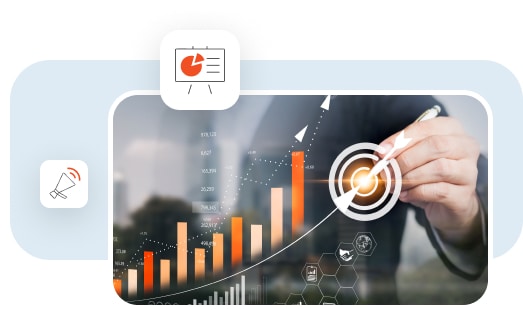
Credit: www.automationanywhere.com
Boosting Growth With Automation
Automation plays a crucial role in helping businesses grow steadily. It simplifies complex tasks and allows teams to focus on what matters most. Sales and marketing automation solutions use software to perform repetitive jobs automatically. These tools help companies manage leads, engage customers, and move deals faster. Using automation boosts efficiency and improves overall performance.
Improving Lead Nurturing And Scoring
Automation helps identify potential customers early. It tracks their behavior and interests across channels. Leads receive personalized messages at the right time. This keeps them engaged and informed. Automated scoring ranks leads based on their actions. Sales teams can focus on high-quality leads ready to buy. This process reduces wasted effort and increases conversion rates.
Streamlining Customer Engagement
Automation tools send timely emails, reminders, and follow-ups automatically. Customers get consistent communication without delays. These systems can segment audiences for targeted campaigns. Businesses maintain strong relationships through regular, relevant contact. Automated responses handle common questions instantly. This improves customer satisfaction and loyalty.
Accelerating Sales Pipeline Movement
Automation tracks every stage of the sales process clearly. It reminds sales reps of important tasks and deadlines. Automated workflows reduce manual work and speed up deal progress. Teams get real-time insights into pipeline health and bottlenecks. Faster pipeline movement means quicker revenue growth. Automation ensures no opportunity is overlooked or delayed.
Choosing The Right Automation Solution
Choosing the right sales or marketing automation solution shapes your business growth. The decision affects your team’s efficiency and customer engagement. Selecting a tool without careful thought can cause wasted time and money. Consider your business needs, the tool’s features, and your budget. These factors guide you to the best fit for your company.
Assessing Business Needs
Start by understanding your sales and marketing goals. List tasks that take too much time or cause errors. Decide if you need automation for lead generation, email campaigns, or customer follow-up. Think about your current challenges and what you want to improve. This clarity helps you choose a tool that solves real problems.
Evaluating Features And Scalability
Look for features that match your needs. Common functions include email automation, lead scoring, and analytics. Check if the software integrates with your existing tools. Consider whether it can grow with your business. A scalable solution saves you from switching platforms later. Make sure the interface is easy for your team to use.
Budget And Implementation Considerations
Set a clear budget for the automation software. Include costs for setup, training, and ongoing support. Ask about hidden fees or extra charges for upgrades. Plan how much time your team needs to learn the new system. Choose a vendor who offers good customer service. A smooth implementation reduces disruptions to your work.
Future Trends In Automation
The future of sales and marketing automation is filled with innovation. Technologies will continue to evolve and reshape how businesses engage customers. Automation tools will become smarter, more adaptive, and highly integrated.
These advancements will help companies save time and create better customer experiences. Automation will no longer just handle repetitive tasks but also provide deep insights and personalized interactions. Let’s explore the key trends shaping the future of automation solutions.
Ai And Machine Learning Impact
Artificial intelligence (AI) and machine learning are changing automation. These technologies analyze large data sets quickly. They detect patterns and predict customer behavior. AI improves lead scoring and sales forecasting accuracy.
Machine learning models get better over time, making automation smarter. They help automate complex decisions and optimize marketing campaigns. AI-powered chatbots and virtual assistants are enhancing customer support. This reduces human workload and speeds up response times.
Personalization And Customer Experience
Personalization is becoming a top priority. Automation tools will deliver highly tailored content and offers. They use customer data such as browsing history, preferences, and past purchases. This creates a more relevant and engaging experience.
Better personalization increases customer loyalty and conversion rates. Automated systems will track customer journeys closely to provide timely messages. Dynamic content and adaptive email campaigns will become standard. Customers will feel understood and valued at every touchpoint.
Cross-channel Automation Advances
Future automation solutions will integrate multiple channels seamlessly. Email, social media, SMS, and web will work together. This cross-channel coordination ensures consistent messaging across platforms.
Automation will trigger actions based on customer behavior in real time. For example, a message on social media could prompt an email follow-up automatically. This creates a smooth and connected customer journey. Marketers will gain better control over campaigns and customer engagement.
Credit: www.salesbabu.com
Frequently Asked Questions
What Is The Difference Between Marketing Automation And Sales Automation?
Marketing automation nurtures and engages prospects through campaigns and content. Sales automation speeds up lead management and deal closing. Marketing focuses on attracting and educating leads, while sales concentrates on converting qualified leads into customers.
What Is Sfa In Simple Terms?
SFA, or Sales Force Automation, uses software to automate repetitive sales tasks. It helps sales teams manage leads, track activities, and close deals faster. SFA reduces manual work, allowing sellers to focus more on customers and less on administrative duties.
Is Sfa A Crm Tool?
SFA (Sales Force Automation) is not a CRM tool but complements it by automating sales tasks and improving efficiency.
What Is Considered Marketing Automation?
Marketing automation uses software to automate repetitive marketing tasks like email campaigns, lead nurturing, and social media posting. It streamlines processes across multiple channels, improving efficiency and targeting throughout the customer journey.
Conclusion
Sales and marketing automation solutions help businesses save time and work smarter. They handle repetitive tasks like emails, lead scoring, and follow-ups. This allows teams to focus on building relationships and closing deals. Using automation improves consistency and keeps customers engaged.
Choosing the right tools depends on your business needs. Embracing these solutions can lead to better sales results and happier customers. The key is to start simple and grow your automation step by step.


