
Have you ever wondered how living in a new culture changes the way you think and act? Understanding “Host Domain Outcomes Acculturation” can give you clear answers.
This idea explains how adapting to a new culture affects different parts of your life, like your habits, values, and relationships. By knowing what to expect, you can better manage your experience and feel more confident in your new environment.
Keep reading to discover how these changes happen and what they mean for you.
Host Domain Outcomes
Host domain outcomes refer to the changes and results experienced by immigrants in the new country. These outcomes show how well immigrants adjust and fit into the host society. They cover many parts of life, like social connections, work, feelings, and culture. Understanding these outcomes helps to see how immigrants succeed or struggle in their new home.
Social Integration Effects
Social integration means how well immigrants connect with local people. Strong social ties help immigrants feel part of the community. Friendships and support from neighbors reduce loneliness. Participation in local events builds trust and belonging. Social integration leads to better communication and cooperation with others.
Economic Participation
Economic participation focuses on immigrants’ roles in the job market. Finding stable work improves living standards and independence. Paying taxes contributes to the host economy. Skills and education affect job opportunities. Many face challenges like language barriers or credential recognition. Success in this area boosts confidence and future chances.
Psychological Well-being
Psychological well-being refers to mental health and happiness. Feeling accepted lowers stress and anxiety. Supportive environments help immigrants cope with challenges. Positive self-esteem grows with community acceptance. Mental health affects overall adjustment and daily life quality. Good psychological well-being strengthens resilience and hope.
Cultural Adaptation
Cultural adaptation means learning and using new customs and values. Immigrants balance their original culture with the host culture. This balance helps avoid identity conflicts. Understanding local traditions eases social interactions. Cultural adaptation supports smoother daily routines and relationships. It creates respect between different cultures.
Acculturation Processes
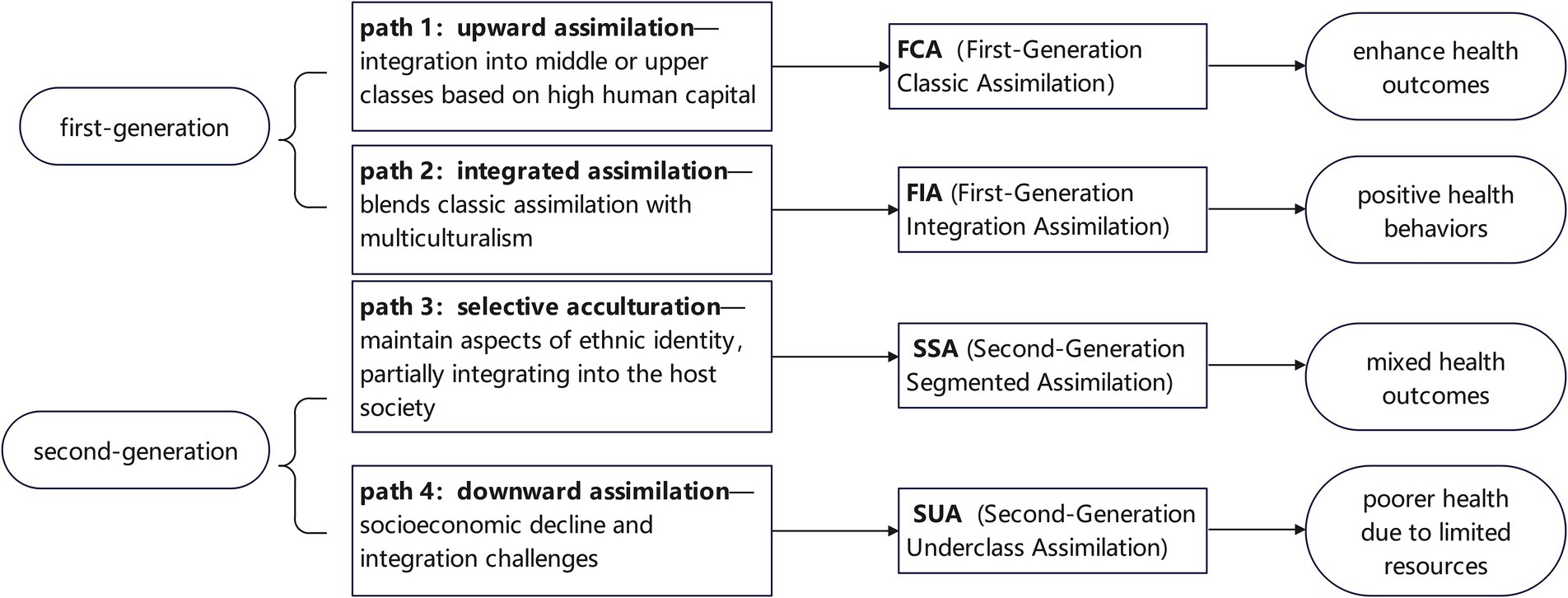
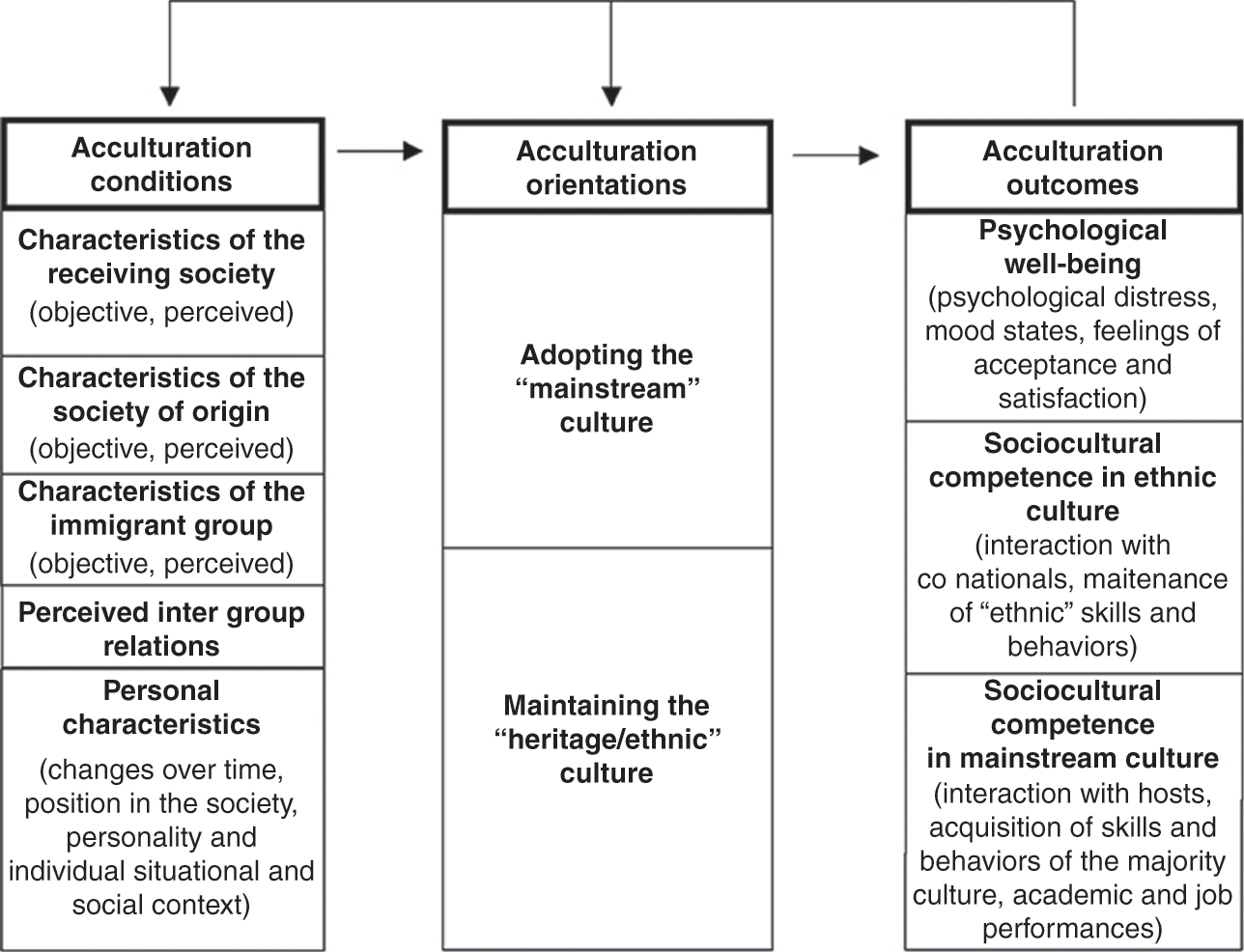
Acculturation processes describe how people adapt to a new culture. These processes affect how individuals blend their original culture with the new one. Understanding these patterns helps explain changes in behavior and identity. The way people acculturate can shape their social and emotional outcomes.
Assimilation Patterns
Assimilation means adopting the new culture fully. People may give up their original culture to fit in. This often leads to losing traditional customs and language. Some feel pressure to blend in quickly. It can cause stress but also opens new social chances.
Separation And Marginalization
Separation occurs when people keep their original culture only. They avoid the new culture and stay apart. Marginalization happens when people feel lost between both cultures. They do not identify with either culture fully. Both can cause feelings of isolation and difficulty.
Biculturalism Benefits
Biculturalism means balancing both cultures. People keep their original culture and learn the new one. This creates a flexible identity and better social skills. It often leads to higher self-esteem and better mental health. Bicultural people can navigate different cultural settings easily.
Factors Influencing Acculturation
Many factors affect acculturation paths. Age, language skills, and social support play key roles. Personal attitudes and the host community’s openness matter too. Economic opportunities and education impact adaptation success. These factors shape how well people adjust to new cultures.
Measuring Outcomes
Measuring host domain outcomes acculturation helps understand how well individuals adapt to a new culture. It shows the effects on behavior, beliefs, and social interactions. Accurate measurement guides better support for those adjusting to a different cultural environment.
Quantitative Approaches
Quantitative methods use numbers and data to measure acculturation outcomes. Surveys and questionnaires are common tools. They assess language use, cultural practices, and social connections. Results provide clear comparisons across groups. These methods offer easy-to-analyze data for large samples.
Qualitative Insights
Qualitative methods explore personal experiences and feelings. Interviews and focus groups gather detailed stories about adaptation. This approach reveals deeper understanding of challenges and successes. It captures emotions and meanings behind behaviors. It helps explain why certain outcomes occur.
Challenges In Assessment
Measuring acculturation outcomes faces many difficulties. Cultural differences affect how questions are understood. People may hide true feelings due to fear or embarrassment. Language barriers limit clear communication. Standard tools may miss unique cultural experiences. These factors complicate accurate measurement.
Credit: www.frontiersin.org
Impact On Host Communities
The impact of host domain outcomes acculturation on host communities is wide and deep. It changes how people live, work, and interact. These changes shape the community’s culture, social bonds, and economy. Understanding these effects helps us see the value of acculturation in society.
Host communities often gain new experiences and ideas. Social ties may grow stronger as people come together. Economies can benefit from new skills and businesses. These factors work together to create a dynamic environment.
Cultural Enrichment
Host communities receive new traditions, foods, and art. Different cultures bring fresh ideas and celebrations. This mix makes the community more vibrant and colorful. People learn about others and appreciate diversity. Cultural events become chances to share and enjoy new customs.
Social Cohesion
Acculturation fosters understanding between different groups. Neighbors build trust and support each other. This helps reduce conflicts and misunderstandings. Community activities bring people together. Strong social bonds make the community safer and friendlier.
Economic Contributions
Newcomers create jobs and start small businesses. They bring skills that boost local industries. Increased spending supports shops and services. Tax revenues rise, helping fund public projects. These changes lead to more opportunities for everyone.
Policy Implications
Policy implications of host domain outcomes acculturation focus on shaping frameworks that help immigrants and host communities adapt together. Policies guide how societies integrate diverse cultures while preserving social harmony. They also impact economic growth and social welfare.
Effective policies promote mutual respect and understanding. They help reduce conflicts and support smooth cultural transitions. Policymakers must consider how to balance cultural diversity with national unity.
Integration Strategies
Integration strategies are key for positive acculturation outcomes. Policies should encourage equal access to education, jobs, and public services. Language training programs help immigrants communicate better and feel included. Local governments can create platforms for cultural exchange and dialogue.
Support Programs
Support programs assist immigrants in adapting to the new society. These include counseling, legal aid, and healthcare services tailored to diverse needs. Programs that focus on youth and families strengthen community bonds. They also reduce isolation and improve mental health.
Promoting Inclusive Environments
Promoting inclusive environments benefits everyone. Schools, workplaces, and neighborhoods should reflect cultural diversity positively. Anti-discrimination laws and awareness campaigns foster respect and reduce prejudice. Inclusive settings boost social cohesion and economic productivity.
Credit: www.cambridge.org

Credit: www.researchgate.net
Frequently Asked Questions
What Are Host Domain Outcomes In Acculturation?
Host domain outcomes refer to how well immigrants adapt to the new culture. It includes language skills, social integration, and cultural understanding. These outcomes affect their success in education, work, and community life within the host country.
How Does Acculturation Impact Social Relationships?
Acculturation influences how immigrants build social ties with natives and other immigrants. Positive acculturation promotes stronger community bonds and reduces social isolation. It helps in forming supportive networks essential for emotional and practical assistance.
Why Is Cultural Adaptation Important In Host Domains?
Cultural adaptation allows immigrants to navigate daily life effectively. It improves communication, reduces cultural conflicts, and increases acceptance. This process enhances personal well-being and facilitates smoother integration into the host society.
What Factors Affect Host Domain Acculturation Outcomes?
Language proficiency, social support, and individual attitudes greatly impact acculturation. Economic opportunities and discrimination levels also play roles. These factors determine how easily immigrants adjust and succeed in the host culture.
Conclusion
Host domain outcomes acculturation shapes how people adapt to new cultures. It affects their habits, values, and social ties. Understanding this helps communities support newcomers better. It also promotes harmony and reduces conflicts. Everyone benefits from learning about these changes.
This knowledge makes cultural mixing smoother and more positive. Embracing differences builds stronger, more inclusive societies. The process is ongoing and changes over time. Being patient and open is key to success. Keep exploring how cultures influence each other.


