
Have you ever wondered how websites get their names and where they actually live online? Understanding domain names and hosting is the key to unlocking the internet’s door.
Whether you want to build a personal blog, start an online store, or simply explore the web, knowing how these two work together will give you more control and confidence. This article will break down everything you need to know in simple terms, so you can make smart choices for your online presence.
Keep reading—you’re about to discover the foundation of your digital identity.
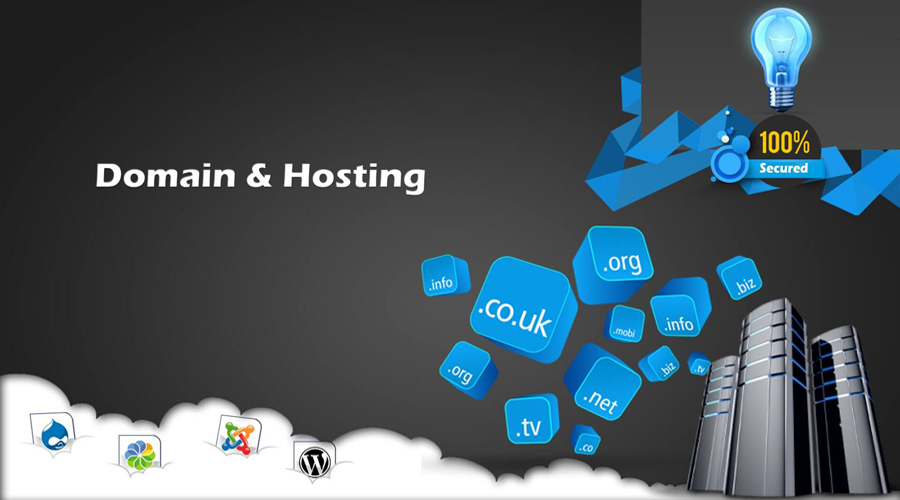
Credit: www.almondsolutions.com
Domain Names Basics
Understanding domain names is essential for anyone starting a website. A domain name is like the address of your site on the internet. It helps people find your website easily. This section explains the basics of domain names and how to choose the right one.
What Is A Domain Name
A domain name is the web address people type to visit a site. For example, example.com is a domain name. It replaces the long string of numbers called an IP address. This makes it easier for users to remember and access websites.
How Domain Names Work
Domain names connect to servers where websites live. When you enter a domain name, a system called DNS finds the right server. It then loads the website for you. This process happens in seconds without users noticing.
Types Of Domain Extensions
Domain extensions come after the dot in a domain name. Common ones include .com, .net, and .org. There are also country codes like .uk or .jp. Extensions show the website type or location.
Choosing The Right Domain Name
Pick a domain name that is short and easy to spell. Avoid numbers and special characters to reduce confusion. Use keywords that relate to your site’s topic. This helps visitors remember your address better.
Web Hosting Essentials
Web hosting is a key part of creating a website. It gives your website a place to live on the internet. Without hosting, people cannot visit your site. Understanding web hosting helps you choose the right service. It also helps your website run smoothly.
This section explains the basics of web hosting. You will learn about different types of hosting. It also covers how hosting supports your website. Lastly, it shows the key features to look for in a hosting service.
What Is Web Hosting
Web hosting is a service that stores your website files. These files include text, images, and videos. The hosting provider keeps these files on special computers called servers. Servers connect your website to the internet. This allows anyone to visit your site anytime.
Different Types Of Hosting
There are several types of web hosting. Shared hosting is the most common and affordable. It means many websites share one server. VPS hosting offers more power and control. It divides a server into virtual parts. Dedicated hosting gives you a whole server to yourself. It is best for big websites with high traffic. Cloud hosting uses many servers to host websites. It is flexible and can handle traffic spikes easily.
How Hosting Supports Your Website
Hosting makes your website available 24/7. It also affects your website speed and performance. Good hosting keeps your website safe from attacks. It provides backups to protect your data. Hosting companies offer support to fix problems quickly. All these factors keep your website running well.
Key Features To Look For
Look for uptime guarantees to ensure your site stays online. Check for fast server speeds to improve visitor experience. Choose hosting with good customer support. Security features like SSL and backups are important. Easy-to-use control panels help manage your site. Also, consider the storage and bandwidth limits based on your needs.
Domain Registration Process
The domain registration process is the first step to create your website’s address. It secures your unique name on the internet. This process helps your visitors find your site easily.
Registering a domain is simple but requires some important steps. Each step ensures your domain is properly set up and protected.
Finding A Domain Registrar
A domain registrar is a company that sells domain names. Choose a registrar that is reliable and affordable. Check if they offer good customer support and easy-to-use tools. Popular registrars include GoDaddy, Namecheap, and Google Domains.
Registering Your Domain
Search for your desired domain name on the registrar’s site. If it is available, add it to your cart. Provide your contact details and payment information to complete registration. The domain will be yours for the period you select, usually one year or more.
Domain Privacy And Protection
Domain privacy hides your personal information from public view. It protects you from spam and unwanted contacts. Many registrars offer privacy as an add-on service. Domain protection prevents unauthorized transfers or changes to your domain.
Renewal And Transfer
Domains need to be renewed before they expire. Set reminders to avoid losing your domain. You can transfer your domain to another registrar if needed. Transfers usually take a few days and require authorization codes.

Credit: www.networksolutions.com
Setting Up Hosting
Setting up hosting is the next step after choosing your domain name. Hosting stores your website files and makes your site visible online. It connects your domain name to a server where your website lives. Proper setup is key for your website’s speed and reliability.
Choosing A Hosting Provider
Select a hosting provider that fits your needs and budget. Look for good uptime, fast loading speeds, and helpful customer support. Many providers offer shared, VPS, or dedicated hosting. Start with shared hosting for small websites. Check if they provide easy website installation tools.
Linking Domain To Hosting
Link your domain name to your hosting account by updating DNS settings. Change the nameservers at your domain registrar to those given by your host. This process can take a few hours to 48 hours to complete. Once linked, your domain will point to your hosting server.
Installing A Website Platform
Use a website platform like WordPress to build your site. Most hosts offer one-click installation for WordPress and other platforms. This tool saves time and avoids technical steps. After installation, you can choose themes and add content easily.
Managing Your Hosting Account
Access your hosting control panel to manage files and settings. Regularly update your website platform and plugins for security. Monitor your site’s performance and bandwidth usage. Backup your website files often to avoid data loss.
Common Issues And Solutions
Domain names and hosting often face common issues. These problems can affect your website’s availability and performance. Understanding these issues helps you solve them quickly. Here are some common problems and their simple solutions.
Troubleshooting Domain Problems
Domain issues include DNS errors and expired domains. DNS errors stop browsers from finding your website. Check your DNS settings and update them if needed. Renew your domain before it expires to avoid downtime. Also, clear your browser cache to fix display problems.
Hosting Downtime And Fixes
Hosting downtime means your website is unavailable. It harms user experience and SEO rankings. Check your hosting provider’s status page for outages. Restart your server or contact support if downtime lasts long. Choose a reliable host with good uptime records to reduce issues.
Security Concerns
Security risks include hacking and malware infections. Use strong passwords and update your software regularly. Install SSL certificates to secure data transfer. Regular backups help restore your site after attacks. Monitor your site for suspicious activity with security tools.
Optimizing Performance
Slow websites lose visitors and rank lower in search engines. Optimize images to reduce load times. Use caching to speed up page delivery. Choose a hosting plan that matches your traffic needs. Regularly test your website’s speed and fix bottlenecks.
Cost And Budgeting Tips
Understanding costs helps plan your website budget well. Domain names and hosting services charge differently. Knowing these costs avoids surprises later. Budget wisely to keep your website affordable.
Domain Name Pricing
Domain prices vary by extension and registrar. Popular domains like .com cost more than others. Some domains have yearly renewal fees. Special domains may cost extra at first purchase. Always check the total yearly cost before buying.
Hosting Plans Compared
Hosting plans differ in price and features. Shared hosting is cheapest but slower. VPS hosting costs more but offers better speed. Dedicated hosting is pricey and suits big sites. Choose a plan that fits your website needs.
Hidden Fees To Watch
Some providers add setup or migration fees. Extra costs may apply for backups or SSL certificates. Renewal prices can be higher than the first year. Watch for charges on domain transfers or cancellations. Read terms carefully to avoid hidden fees.
Saving Money Without Compromise
Look for discounts on longer plans. Use free SSL certificates like Let’s Encrypt. Choose hosting with included domain registration. Avoid unnecessary add-ons during purchase. Pick a reliable provider with good support for best value.
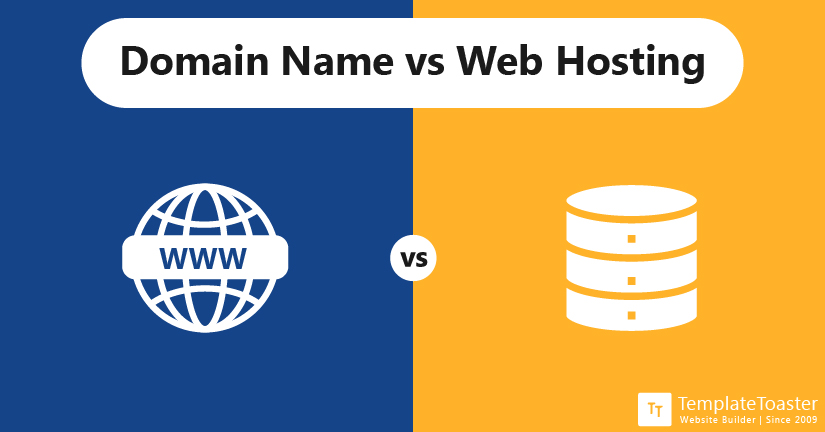
Credit: blog.templatetoaster.com
Frequently Asked Questions
What Is A Domain Name In Simple Terms?
A domain name is your website’s address on the internet. It helps users find your site easily without using IP numbers. For example, google. com is a domain name that directs users to Google’s website.
How Does Web Hosting Work?
Web hosting stores your website files on a server connected to the internet. When someone visits your domain, the server delivers your site’s content to their browser instantly.
Can I Register A Domain Without Hosting?
Yes, you can register a domain without hosting. However, your website won’t be accessible online until you link it to a hosting service.
Why Do I Need Both Domain And Hosting?
A domain name is your website’s address, while hosting stores its files. Both are necessary to make your website accessible and functional on the internet.
Conclusion
Domain names and hosting work together to make websites visible online. A domain name gives your site a unique address. Hosting stores your website files on a server. Both are important to start a website. Choosing the right domain and hosting helps your site run smoothly.
Understanding these basics makes creating a website easier. Now you know how websites get their names and stay online. Simple steps lead to building your online presence. Start with a good domain and reliable hosting service. Your website journey begins here.


