
Are you setting up a WordPress site and feeling overwhelmed by the technical side of things? You’re not alone.
Many website owners find themselves puzzled about which Apache modules are essential for WordPress. Choosing the right ones can be the difference between a fast, secure site and a sluggish, vulnerable one. Imagine having a site that loads quickly and keeps your visitors’ data safe—sounds ideal, right?
This article will guide you through the must-have Apache modules that can transform your WordPress site. By the end, you’ll have the confidence to optimize your site effectively, ensuring it performs at its best. Dive in and discover how easy it is to elevate your WordPress experience.
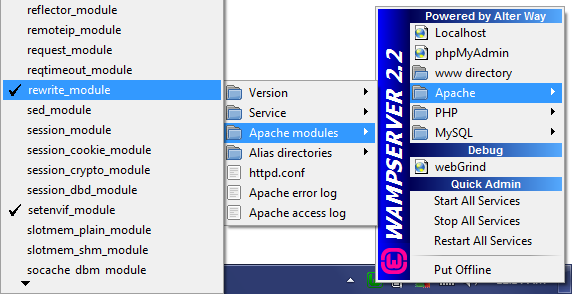
Credit: www.aspirationhosting.com
Core Apache Modules
mod_rewrite is like a magic tool for URLs. It helps change URL patterns. This makes the web address easy to read. Users find these URLs friendly. Search engines like them too. Without mod_rewrite, WordPress URLs can be long. They can look messy.
mod_headers lets Apache control HTTP headers. These headers carry important information. They tell browsers what to do. WordPress uses them to make sites fast. It also helps with security. This module is a must for smooth site operation.
mod_expires tells browsers how long to keep files. This means browsers don’t always reload files. It saves time and data. Websites load faster. Visitors have a better experience. WordPress sites benefit from this speed boost.
Security Enhancing Modules
mod_security is a key module for WordPress security. It works as a firewall. It helps protect against threats. This module blocks suspicious requests. It keeps your site safe. It is important for peace of mind. Every site should have it. It is easy to install. It needs updates. Keep it fresh for better security.
mod_ssl is vital for data protection. It encrypts information between the server and users. This module keeps data safe. It prevents data theft. Users feel secure with SSL certificates. Sites with SSL rank higher. Google likes sites with SSL. It builds trust with visitors. Installation is simple. It is a must for every site.
mod_authz_core controls who sees your site. It manages user permissions. Only allowed users can access. This module stops unauthorized entry. It checks every visitor. Keeps your site under control. It is important for data privacy. Setup is straightforward. Ensure it is active for safety. It gives peace of mind.
Performance Boosting Modules
This module helps make websites faster. It compresses files before sending them. Smaller files load quicker. This saves bandwidth. It makes the site feel snappy. Users enjoy faster page loads. Search engines like fast sites too.
This module stores copies of web pages. It keeps them ready to serve fast. The server works less. Pages load quickly for visitors. Less waiting means happy users. This is great for busy sites.
This module helps connect servers. It acts like a bridge. It forwards requests to other servers. This can balance traffic. It also supports load balancing. This helps keep sites running smoothly.
Content Management Modules
Mod_php is important for WordPress sites. It helps run PHP code on servers. Without it, WordPress won’t work well. It makes sites fast and smooth. Many plugins need mod_php to function. It helps with dynamic content. PHP scripts become easy to manage. This module is crucial for WordPress.
Mod_dav allows users to edit and manage files online. It supports WebDAV, a tool for remote file access. This module makes file sharing easy. It helps with collaborative work. Users can upload, download, and change files. Mod_dav is great for teamwork. It adds flexibility to WordPress sites.
Monitoring And Logging Modules
The mod_status module shows you how your server is doing. It gives a quick look at what’s happening. You can see how busy the server is. You can also see which requests are being handled. This helps you understand server load. It helps in managing resources too. This module is easy to use. Just a few clicks to see the info. It is very helpful for server monitoring.
With mod_log_config, you can keep track of everything. This module logs all requests. It tells you who visited your site. It shows what pages they looked at. The logs help in finding errors. They also help in understanding user behavior. This makes it easier to fix problems. It also helps in improving your site. The module is very important. It keeps your logs organized.
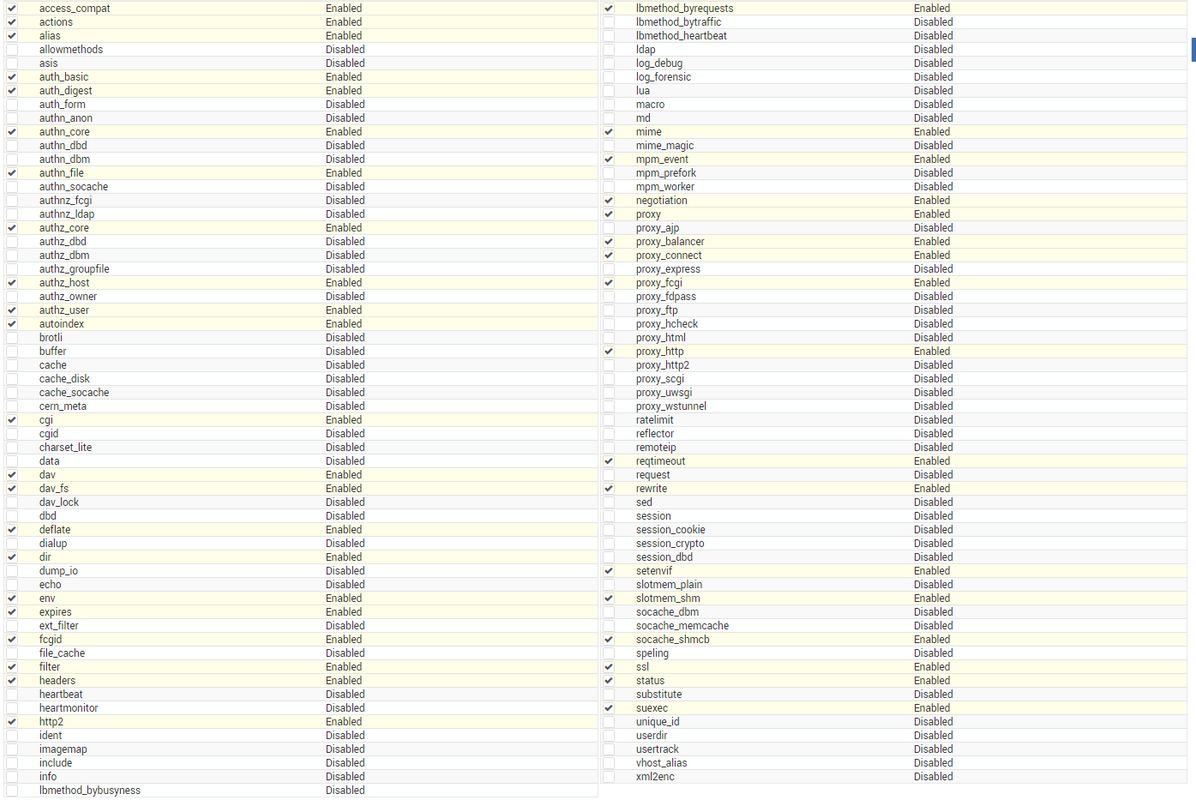
Credit: forum.virtualmin.com
Optional But Useful Modules
Apache modules like mod_rewrite and mod_headers enhance WordPress functionality. Mod_rewrite supports custom URLs, while mod_headers helps manage HTTP headers efficiently. These optional modules can improve performance and security in WordPress installations.
Mod_speling
mod_speling helps fix small spelling mistakes in URLs. It can find the right page even if there is a typo. This is very helpful for users. They might type the wrong web address. The module makes the website more user-friendly. It also helps with SEO. Search engines like it when links work well. This means more people might find your site.
Mod_alias
mod_alias allows you to create simple URL shortcuts. This module is good for redirecting pages. It helps keep links neat and tidy. Web visitors find it easier to remember simple URLs. Mod_alias can also help manage old links. If a page moves, you can redirect it. This keeps the user experience smooth and happy.
Credit: www.plesk.com
Frequently Asked Questions
What Is The Role Of Apache In WordPress?
Apache serves as a web server for WordPress sites. It processes requests and delivers web pages to users. Apache’s modules enhance functionality, improve performance, and ensure security, making it essential for WordPress operations.
Which Apache Modules Improve WordPress Performance?
Modules like mod_rewrite and mod_expires optimize WordPress performance. Mod_rewrite allows URL customization, enhancing SEO. Mod_expires manages browser caching, speeding up page loads. Both are crucial for efficient WordPress site operations.
Is Mod_rewrite Necessary For WordPress?
Yes, mod_rewrite is crucial for WordPress. It enables URL customization, enhancing SEO and user experience. Without mod_rewrite, WordPress permalinks may not function correctly, limiting site navigation and visibility in search engines.
How Does Mod_security Protect WordPress Sites?
Mod_security acts as a firewall for WordPress. It detects and blocks malicious activities, safeguarding against threats. By filtering requests, it prevents common attacks, ensuring the site’s integrity and user data safety.
Conclusion
Understanding Apache modules is key for a smooth WordPress setup. Essential modules enhance performance and security. Ensure mod_rewrite is active for pretty permalinks. Enable mod_ssl for secure connections. Don’t forget mod_deflate to boost speed. These modules help WordPress run efficiently.
Check your server configuration regularly. This guarantees your site stays optimized. Consider other modules based on specific needs. Every website is unique. Tailor your setup to your audience. Proper configuration leads to a better user experience. Keep your WordPress site fast and secure.
This builds trust with your visitors.


