
Have you ever wondered what happens behind the scenes when you visit a website? Understanding web hosting is the key to unlocking this mystery.
Whether you’re starting your own blog, launching a business site, or just curious about the digital world, knowing what a web hosting service does is crucial. Imagine your favorite website disappearing overnight. Sounds worrying, right? That’s where web hosting comes in—a silent guardian ensuring your website stays up, accessible, and secure.
We’re diving into the essential role web hosting services play in the digital landscape. You’ll discover why choosing the right hosting provider can make or break your online presence. By the end, you’ll have a clearer picture of how these services impact your online experience and why they matter so much to you. Ready to explore the backbone of the internet? Let’s get started!

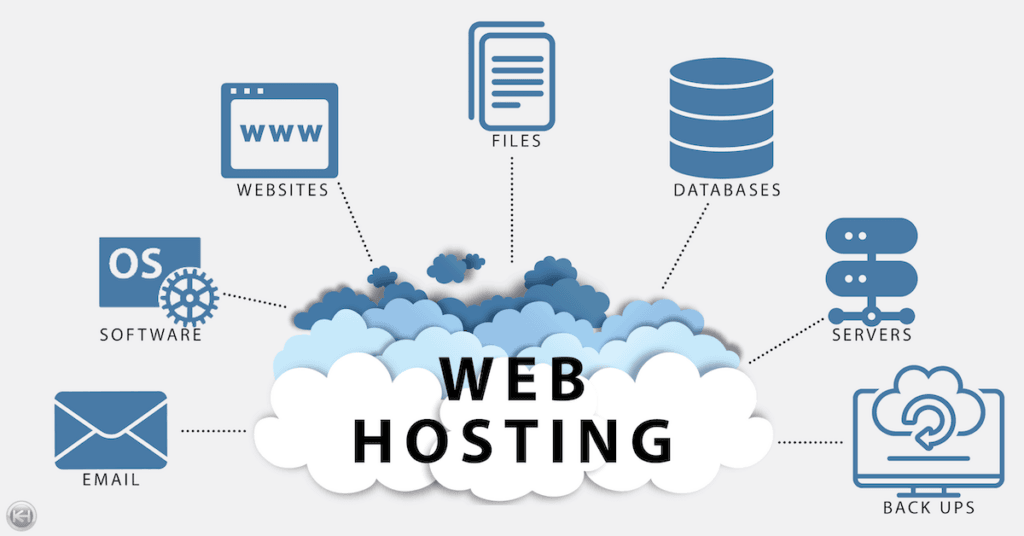
Credit: www.hostinger.com
Types Of Web Hosting
In shared hosting, websites use the same server. This means resources are divided. It’s often the cheapest option. Great for small sites and blogs. But, it can be slow sometimes. If one site gets busy, others might lag.
VPS stands for Virtual Private Server. It acts like a small, private space. More control than shared hosting. Resources are more stable and reliable. Costs more, but worth it for growing sites.
With dedicated hosting, you get the whole server. No sharing with others. This gives you full control and power. It’s best for big websites with lots of traffic. Also, it’s the most expensive type.
Cloud hosting uses many servers. Your website can be on any of them. This makes it very flexible. If one server fails, others keep your site up. It’s a good choice for sites with changing traffic. Costs can vary based on use.
Key Features Of Web Hosting
Web hosting provides storage space for your website files. This includes text, images, and videos. Enough storage ensures your site runs smoothly. If storage is low, your site may slow down. Most hosting plans offer a range of storage options. Choose one based on your needs.
Bandwidth is how much data your site can handle. More bandwidth means more visitors can view your site at once. If bandwidth is low, your site may crash. Check bandwidth limits when choosing a plan.
Uptime guarantees show how often your site stays online. High uptime means your site is mostly available to visitors. A good host offers at least 99% uptime. This keeps your site running well.
Security measures protect your site from threats. This includes hackers and viruses. Web hosting should offer strong security tools. These might include firewalls and SSL certificates. Regular updates help keep your site safe.
Choosing The Right Hosting Provider
Think about what your website needs. Is it a small blog or a big store? Websites need space to store files. They also need bandwidth for visitors. Small websites need less space. Large websites need more. Traffic is also important. More visitors mean more bandwidth needed.
Price matters. Compare different plans. Some plans are cheap, some are not. Shared hosting is cheaper. Dedicated hosting costs more. Look for hidden fees. Discounts might be available. Choose a plan that fits your budget.
Good customer support is important. Problems can happen anytime. 24/7 support is best. Check if they offer chat or phone help. Quick help can save time. Happy customers often mention good support.
Reviews tell many things. Read what others say. Ratings show if people are happy. High ratings mean good service. Check for negative reviews too. They show potential issues. Trust real experiences.
Credit: www.ramotion.com
Setting Up Your Website
Every website needs a name. This is called a domain name. It is like your home address but on the internet. You can buy a domain name from a domain registrar. Make sure it is easy to remember. Also, check if it is available. You cannot use a name if someone else owns it.
DNS settings help people find your website. DNS stands for Domain Name System. It links your domain name to your web host. This is like telling the postman where to deliver your mail. Make sure your DNS settings are correct. This helps your website load quickly.
A Content Management System, or CMS, helps you create and manage your website. Popular options include WordPress, Joomla, and Drupal. These tools make it easy to add text, images, and videos. You do not need to know coding. Just follow the steps to install and set up your CMS.
Managing Your Hosting Account
The control panel is your main tool. It helps you manage your website. With it, you can easily add new domains. You can also set up emails. The interface is usually user-friendly. This makes tasks simple.
Keep an eye on your resource usage. This includes CPU and RAM. High usage can slow your site. A hosting service will often provide graphs and reports. These show how much you are using. Keeping usage low helps your site run well.
Backups are important. They protect your data from loss. Always have a recent backup. Many hosts offer automatic backup services. This means you don’t have to worry. If something goes wrong, you can easily restore your site.
Troubleshooting Common Issues
Servers can go down. It’s frustrating. Web hosts help fix this. They check for server errors. Then, they restart servers. Backup systems are used. This keeps websites running. Some web hosts offer 24/7 support. This means problems get fixed quickly.
Sometimes, websites load slowly. Or they don’t load at all. Web hosts check for network issues. They fix broken links. Speed tests are run to find problems. This makes sites faster. Faster sites keep visitors happy.
Hackers try to break into sites. This is dangerous. Web hosts help protect sites. They use firewalls and anti-virus tools. They also offer SSL certificates. These keep data safe. Web hosts monitor sites for threats. If they find any, they act fast.
Future Trends In Web Hosting
Web hosting is changing fast. Cloud hosting is getting better. It’s faster and more reliable. Artificial Intelligence helps to manage servers. This makes web hosting smarter. Security is also improving with new tools. These tools keep websites safe from hackers. More websites now use SSL certificates for security.
Web hosting companies care about the planet. They use green energy to run servers. This helps to reduce carbon footprints. Many data centers are now more energy-efficient. They use less power and save resources. This is good for the environment.
Green hosting is becoming popular. It uses renewable energy sources like wind and solar. This helps to reduce environmental impact. Hosting companies plant trees to offset carbon emissions. Some offer eco-friendly plans. These plans are good for users who care about the earth.

Credit: chrisgidds.com
Frequently Asked Questions
What Are The Responsibilities Of Web Hosting?
Web hosting ensures server management, data security, and uptime. It provides technical support and regular backups. Hosting also involves maintaining software updates and protecting against cyber threats, ensuring websites run smoothly and efficiently.
What Is An Example Of A Web Hosting Service?
An example of a web hosting service is Bluehost. It offers reliable hosting solutions for websites. Users can host their sites with features like domain registration, email accounts, and 24/7 support. Bluehost is popular for its user-friendly interface and competitive pricing, making it suitable for beginners and professionals alike.
Do I Need A Web Hosting Service?
Yes, you need a web hosting service to make your website accessible online. It stores your site files and ensures uptime. Reliable hosting boosts site performance, security, and provides essential features. Choose a plan based on your website needs, traffic, and budget.
Why Do People Use Web Hosting?
People use web hosting to store and manage their websites online. Hosting ensures website accessibility, speed, and security. Reliable hosting enhances user experience and boosts search engine rankings. It provides essential resources like bandwidth, storage, and technical support, enabling businesses and individuals to establish an online presence effectively.
Conclusion
Understanding web hosting services is crucial for website success. They store your website’s data. They ensure your site is accessible to users. Choosing the right service impacts speed and security. Reliable hosting enhances user experience. It supports your online growth.
Evaluate your needs before deciding. Consider cost, features, and support. A good host improves your website’s performance. Avoid downtime and technical issues. Make informed decisions for lasting benefits. Web hosting is your website’s foundation. Prioritize it wisely. Your website deserves the best.
Stay informed and choose smartly.


