
Imagine having your own space on the internet. A place where you can share your ideas, showcase your products, or connect with people from around the world.
That space is possible with web hosting. But what exactly is web hosting? And why should you care? As you dive into the world of websites, understanding web hosting is crucial. It’s the backbone that supports your online presence, making sure your site is accessible 24/7.
With countless options available, knowing what web hosting is and how it works can empower you to make informed decisions. You will discover the basics of web hosting, learn why it’s essential, and explore different types of hosting services. Your journey to mastering web hosting starts here, promising to equip you with the knowledge you need to thrive online. Let’s unravel the mystery of web hosting together!

Credit: www.geeksforgeeks.org
Types Of Web Hosting
Shared hosting is for small websites. Many sites use one server. This makes it cheap. Affordable and simple to use. Good for beginners. But speed can be slow. Security is basic.
Dedicated hosting means one server for one site. It’s powerful and fast. Good for big websites. Costs more money. You get strong security. Full control over the server.
VPS stands for Virtual Private Server. It’s like a mix. You share a server but have your own space. Better performance than shared. Cheaper than dedicated. More flexible and secure.
Cloud hosting uses many servers. If one server fails, others help. It is reliable and scalable. You pay for what you use. Good for growing sites. Can handle high traffic.
Key Features Of Web Hosting
Bandwidth tells how much data your website can handle. More bandwidth means your site can have more visitors at one time. Storage is where your website files live. More storage is better for big websites. Choose a plan that fits your needs.
Security keeps your website safe from bad people. Firewalls and SSL certificates are important. They protect your site and your visitors. Regular backups also help keep your data safe.
Uptime shows how often your site is online. High uptime means your website is always available. Reliable hosts have servers that rarely go down. This keeps your website active and your visitors happy.
Choosing The Right Web Host
First, think about what your website needs. Do you need a lot of space? Maybe just a little. Will you have many visitors? Think about how fast you want your website to be. These needs help you find a good host. Some websites need special tools. Others need simple things. Knowing your needs is very important.
Money is important. Web hosting costs can be different. Some are cheap. Others are not. Look for a host that fits your budget. Sometimes, you get what you pay for. Cheap hosts might be slow. Expensive hosts may have more features. Find a balance between cost and quality.
Good support is like a friend. You need help sometimes. Choose a host with good customer support. They should answer quickly. Support should be available all day. They can fix problems fast. This keeps your website running. A helpful team can save you trouble.
Credit: www.hostinger.com
Benefits Of Quality Hosting
Good hosting makes sites fast. A fast site keeps users happy. Loading speed matters a lot. It helps your site rank better. Google loves fast sites. Slow sites lose visitors quickly. Quick sites gain trust.
Quality hosting protects your site. It guards against hackers and viruses. Safe sites keep user data private. Security is a must for online stores. Hosting adds layers of protection. It keeps your site safe from attacks.
Good hosting grows with your site. More visitors need more space. Scalable hosting adds space easily. It helps sites handle big traffic. Hosting adjusts to your needs. You pay only for what you use.
Common Web Hosting Challenges
Downtime means your website is not working. Visitors can’t see your site. This can be very bad for businesses. It can make users upset. It can also lead to lost sales. Always choose a host with good uptime. Look for 99.9% or better. This will help keep your site running.
Every website needs resources like space and memory. Some hosts offer limited resources. If your website grows, it might need more resources. Limited resources can slow down your site. This can make users unhappy. Check your host’s resource plans. Ensure they fit your needs.
Security is very important online. Websites can face threats like hackers and viruses. A good host will protect your site. Look for hosts with firewalls and SSL certificates. These tools keep your data safe. Always update your site’s software. This keeps away new threats.
Credit: safiakhatoon.hashnode.dev
Future Of Web Hosting
Web hosting is getting better with new ideas. AI helps servers work smarter. Machines learn to fix problems fast. Cloud computing is popular. It stores lots of data safely. Virtual reality makes websites more fun. People can see and feel things online.
Many companies want to protect the planet. They use green energy for servers. Solar panels and wind power are common. Eco-friendly hosting saves energy. It helps reduce carbon footprints. Green hosting is better for Earth.
Serverless hosting is simple. No need to manage servers. It is easy for small businesses. Developers focus on building apps. They do not worry about server maintenance. Cost-effective solutions are offered. Pay only for what you use. It is efficient and scalable.
Frequently Asked Questions
What Is Meant By Web Hosting?
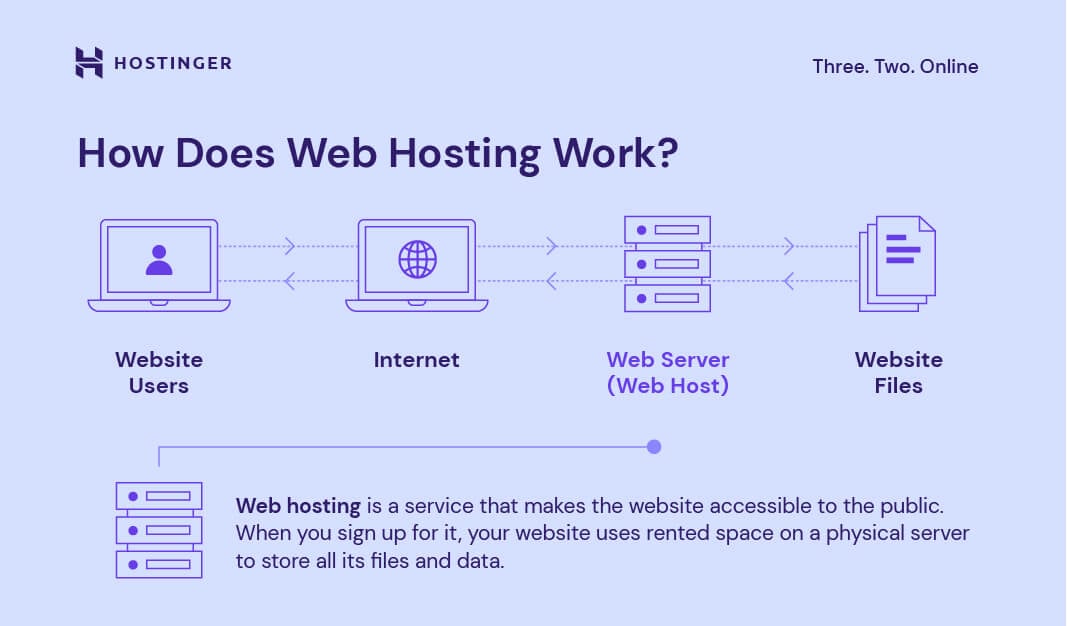
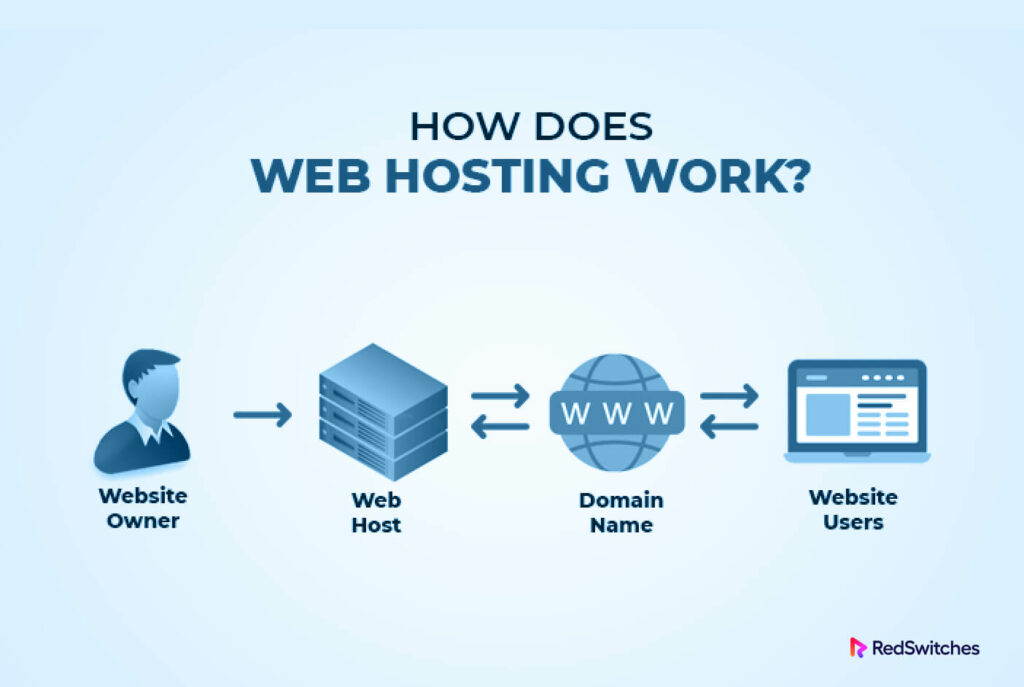
Web hosting stores website files on servers, making them accessible online. It provides space and resources for websites. Hosting services vary in features and pricing, catering to different needs. Popular types include shared, VPS, and dedicated hosting. Reliable hosting ensures fast loading and uptime, essential for user experience and SEO.
What Is Web Hosting And Do I Need It?
Web hosting provides space on a server to store your website files online. You need it to make your website accessible on the internet. It ensures your site is always available to users worldwide. Choose reliable hosting for better performance and security.
What Are The 3 Types Of Web Hosting?
The three types of web hosting are shared hosting, VPS hosting, and dedicated hosting. Shared hosting is affordable, ideal for beginners. VPS hosting offers more control and resources. Dedicated hosting provides maximum performance and security for large websites. Choose based on your site’s needs and traffic.
Can I Run My Website Without Hosting?
Running a website without hosting is not possible. Hosting provides the server space needed for website files. Without hosting, your website cannot be accessed online. Consider using web hosting services to make your website live and accessible to users.
Conclusion
Web hosting is crucial for any online presence. It stores and manages your website files. Different hosting types fit different needs. Shared hosting suits beginners. Dedicated hosting offers control. VPS provides a balance. Cloud hosting scales resources easily. Choosing the right host impacts speed and security.
Reliable support is key. Research well before deciding. Compare features and prices carefully. Think about future growth. Ensure you understand your hosting plan. A good host enhances site performance. So, make an informed choice. Your website deserves the best environment.


