
Imagine you’re about to launch your very own website. You’ve got the perfect design, compelling content, and a vision that could change the world—or at least your corner of it.
But wait, there’s a crucial piece of the puzzle you might be missing: web hosting. What exactly is it, and how does it work? Understanding web hosting can be the key to unlocking your website’s potential and ensuring it runs smoothly for every visitor who stops by.
In this blog post, we’ll break down the mysteries of web hosting, demystifying the technical jargon into simple, digestible bites. You’ll discover how web hosting functions as the backbone of your website and why choosing the right host is crucial for your online success. Whether you’re a budding entrepreneur or a curious enthusiast, grasping the basics of web hosting can empower you to make informed decisions that elevate your online presence. Stay with us as we explore this essential component of the digital world, and by the end, you’ll have a clear understanding of how web hosting works and how it can benefit you.
Credit: www.hostinger.com
Web Hosting Basics
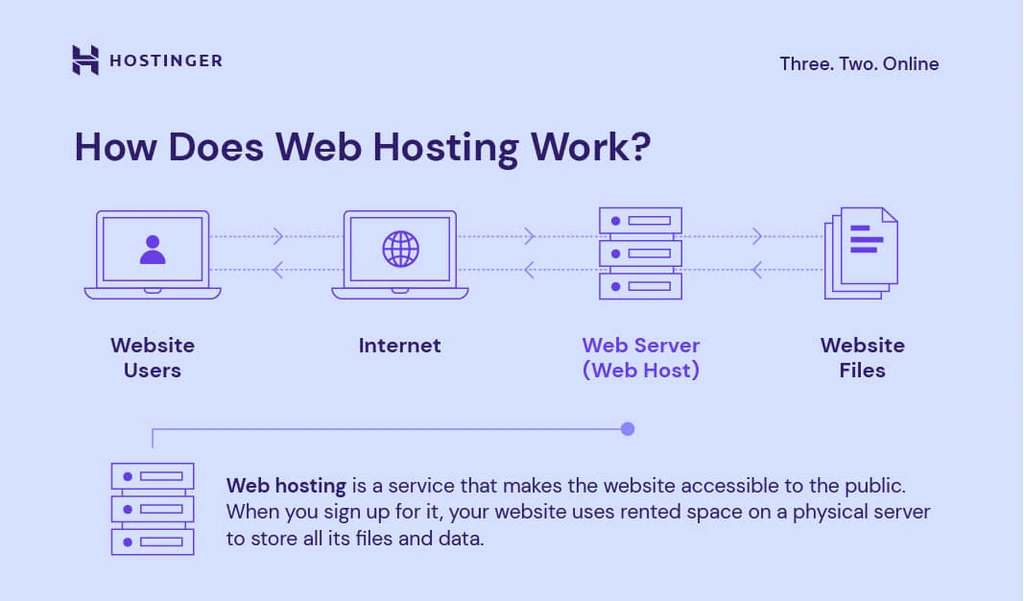
Web hosting keeps websites live on the internet. It stores website files on a server. Users visit websites using browsers. Servers send files to browsers. The browser shows the website to the user. Hosting is like renting space online.
Shared hosting shares server space with other websites. It is cheap and easy. Dedicated hosting gives one website its own server. It is costly but offers more control. VPS hosting is between shared and dedicated. It divides a server into smaller parts. Each part acts like a dedicated server.
Consider cost, speed, and support. Check if the host offers good security. Look for hosts with 99% uptime guarantee. Uptime means your site is always available. Read user reviews for honest opinions.
Types Of Web Hosting
Shared hosting is like sharing a big house with friends. You all use the same resources. This means the cost is low. But if one friend uses too much, others might feel slow. It is best for small websites with low traffic.
VPS hosting is like living in an apartment. You have your own space. You share the building, but your apartment is private. It’s more secure and flexible than shared hosting. Good for growing websites.
Dedicated hosting gives you a whole server. No sharing with others. It’s like owning a house. You have all the power. This is best for big websites with lots of traffic. It’s more expensive but very reliable.
Cloud hosting is using many servers together. If one server fails, others help. It’s like having a team. This means more reliability and scalability. Perfect for websites that change size often.
Key Components Of Web Hosting
Servers are like big computers. They store your website files. When people visit your site, the server sends the files. These files show your website on their screens. Different servers handle different tasks. Some servers are fast. Some are more secure. Choosing the right server is very important.
Data centers are special buildings. They keep servers safe. They have strong internet connections. They also have backup power. This keeps your site online. Even if there is a power cut. Data centers are in many countries. This helps your site load faster everywhere.
Bandwidth is like a road. It lets data travel to users. More bandwidth means more data can travel. Storage is space for your website files. You need enough storage for all your files. Pictures, videos, and text take up space. Choose a plan with enough bandwidth and storage. This keeps your site fast and smooth.
How Web Hosting Works
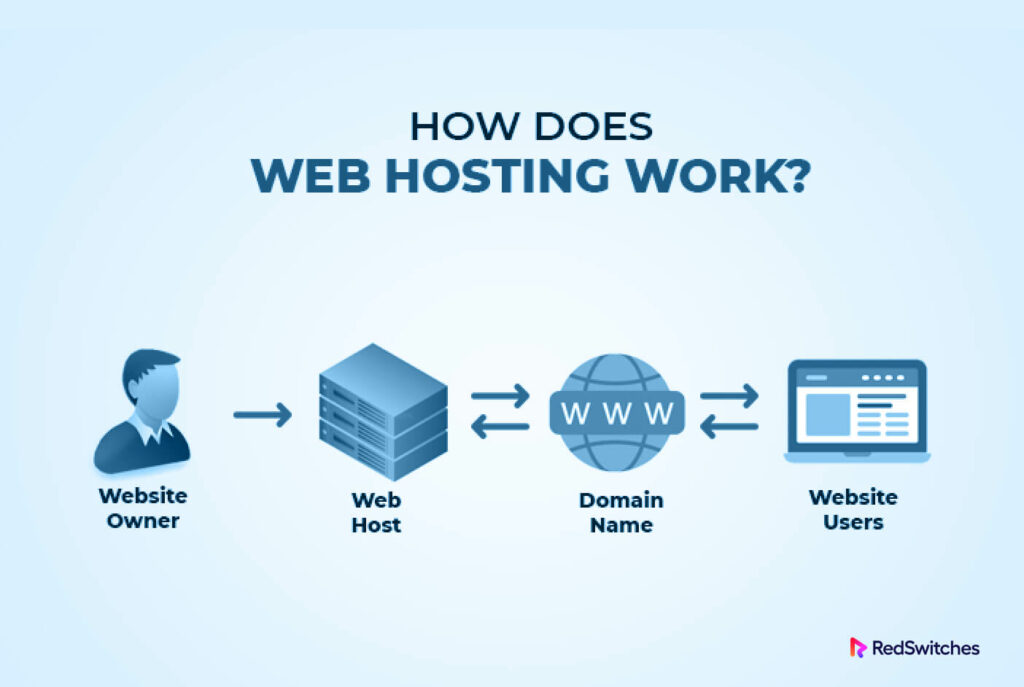
DNS is like a phonebook for websites. It translates domain names into IP addresses. Domain names are easy to remember. IP addresses are numbers that computers use. When you type a domain, DNS helps find the right server. Your browser uses DNS to access the website. Without DNS, finding websites would be hard.
Files are stored on a server. Web hosting lets you upload files. People can see your website when files are uploaded. Upload means sending files from your computer. Files can be pictures, text, or videos. A server keeps these files safe. You can use FTP to upload files. FTP stands for File Transfer Protocol. It’s a tool for moving files from one place to another.
Servers are like big computers. They store websites and run them. Managing servers means taking care of them. Good server management keeps websites fast. Problems can happen if servers are not managed well. Updates help keep servers safe and fast. Experts often manage servers for you. They make sure everything runs smoothly.
Choosing The Right Web Hosting Provider
A good web hosting provider offers high performance. Your website should load fast. It should be available all the time. This is called uptime. The best providers promise 99.9% uptime. This means your site is almost always online. Slow sites can lose visitors. Nobody likes waiting for a slow page to load.
Security is very important. A provider must protect your site. They should offer SSL certificates. This makes your site safe for users. Look for providers with strong firewalls. These protect against hackers. Regular backups are also important. They keep your data safe if something goes wrong.
Good customer support is a must. Problems can happen anytime. You need help fast. Choose a provider with 24/7 support. They should have live chat or phone support. Email support can be slow. Read reviews about their support team. Happy customers often leave good reviews.
Credit: blog.gotmyhost.com
Common Web Hosting Challenges
Downtime is a big problem in web hosting. Websites can go offline. This happens when servers have problems. Visitors can’t see your site. This can upset customers. You might lose sales. It is important to choose a reliable host. Look for one with high uptime guarantees.
Websites often grow. More visitors come over time. Some hosts struggle with growth. They can’t handle more traffic. This can slow your site. It might even crash. Choose a host that can scale. They should offer easy upgrades for more resources.
Web hosting costs money. Some plans are cheap. Others are expensive. Price depends on features. More features cost more. It is smart to compare plans. Look for the best value. Ensure it fits your budget. Always check for hidden fees.
Future Trends In Web Hosting
Green hosting means eco-friendly web hosting. It uses less energy. It helps the planet. Many companies are going green. They use solar and wind power. This helps reduce carbon footprint. Green hosting is important. It makes the earth healthy. More people choose green hosting.
AI helps make hosting easy. It fixes problems fast. Automation saves time. It handles tasks like updates. AI learns from data. It makes hosting smarter. People use AI for faster websites. Automation helps with backups. It keeps data safe.
Edge computing is new. It brings data closer. This makes websites load fast. It helps with speed. Edge computing uses small servers. These servers are near users. Quick access to data is key. Edge computing is great for games. It helps with streaming too.

Credit: www.znetlive.com
Frequently Asked Questions
How Does The Web Hosting Work?
Web hosting stores website files on servers, making sites accessible online. It includes server space, connectivity, and management. Hosting providers manage server maintenance and security, ensuring sites run smoothly. Users choose plans based on storage, bandwidth, and technical support needs.
What Are The 3 Types Of Web Hosting?
Web hosting types include shared, VPS, and dedicated hosting. Shared hosting offers shared resources among users. VPS hosting provides virtualized private environments. Dedicated hosting allocates entire servers to one user. Each type varies in performance, cost, and control, catering to different needs and budgets.
Choose based on website requirements.
How Much Do I Pay To Host A Website?
Website hosting costs vary based on provider, type, and features. Prices typically range from $3 to $300 monthly. Shared hosting is cheaper, while dedicated servers cost more. Choose a plan that fits your needs and budget.
Can I Run My Website Without Hosting?
A website needs hosting to be accessible online. Hosting stores your site’s files and data on a server. Without hosting, users cannot access your site. Choose a reliable hosting provider to ensure good performance and security for your website.
Conclusion
Understanding web hosting is key for your online presence. It’s your website’s home. Choosing the right hosting type is crucial. Shared hosting is good for beginners. VPS hosting offers more control. Dedicated hosting is best for large sites. Reliability matters.
Ensure your host provides good uptime. Customer support can solve many issues. Look for responsive support teams. Security features protect your data. Always check for security measures. Cost should match your budget. But don’t compromise on quality. Now, you’re ready to make an informed hosting choice.
Your website’s success depends on it. Happy hosting!


