
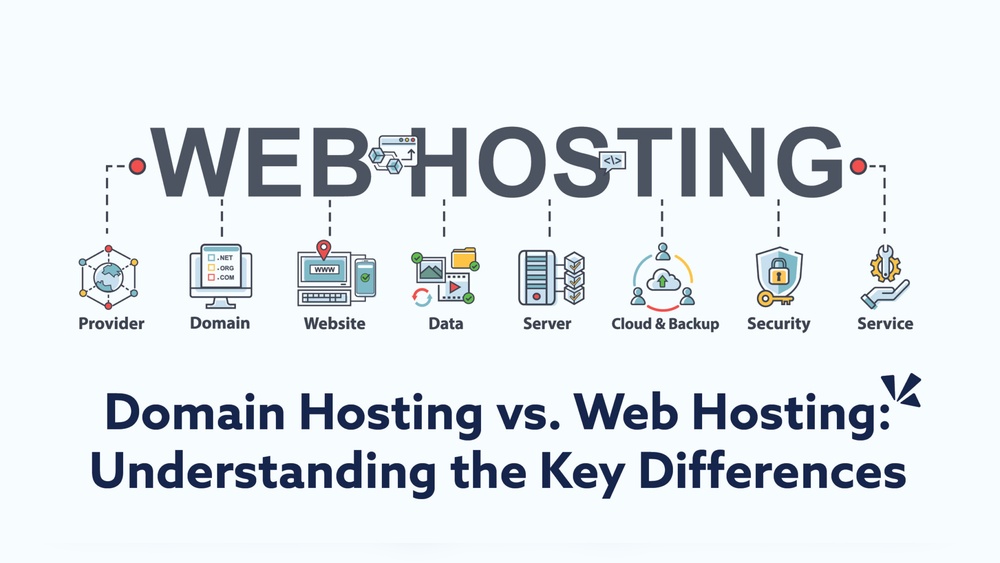
Have you ever wondered how your favorite websites stay online and easy to find? The secret lies in something called domain hosting.
If you’re planning to create your own website or just curious about how the internet works, understanding domain hosting is a must. This simple concept can make the difference between your website being visible to the world or lost in the vast online space.
Keep reading, and you’ll discover exactly what domain hosting is and why it matters to you.
What Is Domain Hosting
Domain hosting is a key part of having a website online. It links your website’s address with the place where your website lives. Without domain hosting, people cannot visit your website by typing your web address. It makes websites easy to find and use.
Domain Names And Hosting Basics
A domain name is the website’s address. It looks like www.example.com. This name helps visitors find your website easily.
Hosting means storing your website files on a server. The server is a powerful computer that runs 24/7. It sends your website data to visitors when they type your domain name.
Domain names and hosting work together. The domain name points to the hosting server. This connection lets people see your website online.
How Domain Hosting Works
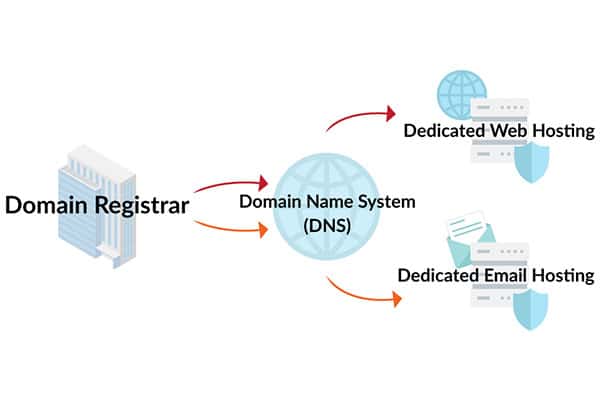
First, you buy a domain name from a registrar. Next, you get hosting from a hosting provider. They keep your website files on their servers.
You link the domain name to the hosting server. This link is called DNS (Domain Name System). DNS tells browsers where to find your website.
When someone types your domain name, DNS sends them to your hosting server. The server shows your website in their browser. This process happens quickly and smoothly.
Credit: momentum3growth.com
Types Of Domain Hosting
Domain hosting means storing your website files on a server. Different types of domain hosting offer various features and prices. Choosing the right type helps your website perform well and stay secure. Here are the main types of domain hosting you should know.
Shared Hosting
Shared hosting means many websites share one server. It is the cheapest option. Ideal for small websites or blogs with low traffic. Resources like bandwidth and storage are shared. This can slow down your site if traffic grows.
Vps Hosting
VPS stands for Virtual Private Server. It divides a physical server into multiple virtual servers. Each user gets dedicated resources. It offers better speed and control than shared hosting. Suitable for medium-sized websites with steady traffic.
Dedicated Hosting
Dedicated hosting gives you a whole server. No sharing with other users. Full control over server settings and resources. It is expensive but very powerful. Best for large websites needing high security and performance.
Cloud Hosting
Cloud hosting uses many servers working together. It can handle sudden traffic spikes easily. You pay for the resources you use. It offers great flexibility and uptime. Good for websites that grow quickly or have varying traffic.
Choosing The Right Domain Host
Choosing the right domain host is essential for your website’s success. It affects your site’s speed, security, and uptime. A good host provides reliable service and support. It also fits your budget and needs. Understanding what to look for helps you make a smart choice.
Factors To Consider
Start with uptime guarantees. Your site should be online almost all the time. Look for at least 99.9% uptime. Check the host’s speed performance. Fast loading times improve user experience and SEO.
Security features matter. Choose hosts with SSL certificates and DDoS protection. Customer support is important too. Find a host with 24/7 help available through chat or phone.
Pricing plans vary. Compare what each plan offers and avoid hidden fees. Also, check if the host allows easy domain management and website building tools.
Popular Hosting Providers
Some trusted domain hosts include Bluehost, SiteGround, and GoDaddy. Bluehost offers beginner-friendly tools and good uptime. SiteGround is known for excellent customer service and fast servers. GoDaddy provides a wide range of services and domain options.
Each host has unique strengths. Consider your website’s size and goals when choosing. Research user reviews and test support before deciding.

Credit: dorik.com
Setting Up Domain Hosting
Setting up domain hosting is the first step to get your website online. It connects your domain name with a server where your website lives. This process may seem complex, but breaking it into simple steps helps.
Each step plays a key role in making your website accessible to visitors. The main tasks include registering a domain, linking it to hosting, and adjusting DNS settings. Understanding these tasks makes setup easier and faster.
Registering A Domain Name
Registering a domain name means buying the address of your website. Choose a name that is short, easy to remember, and matches your brand. Use trusted registrars like GoDaddy, Namecheap, or Google Domains.
Check if your desired domain is available. If not, try different spellings or extensions like .com, .net, or .org. After choosing, complete the registration by providing your contact details and payment.
Linking Domain To Hosting
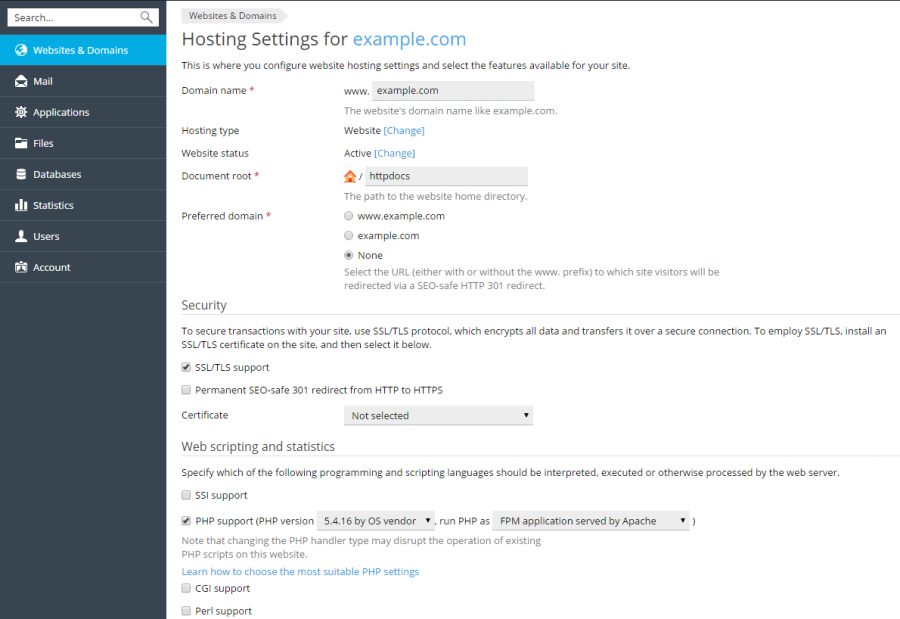
Linking your domain to hosting connects your website’s address to the server. You do this by updating the domain’s settings with your hosting provider’s details. Most hosting services provide nameservers to use.
Log in to your domain registrar account. Find the domain management section and enter the hosting nameservers. Save changes. This step tells the internet where to find your website files.
Configuring Dns Settings
DNS settings control how your domain points to the hosting server. You can add or edit records like A, CNAME, MX, and TXT. The A record links the domain to the server’s IP address.
Access your domain’s DNS management panel. Enter the IP address given by your host under the A record. Set up other records if needed for email or verification. Save all changes and wait for them to take effect.
Boosting Website Performance
Boosting website performance is vital for a successful online presence. A fast and reliable website keeps visitors happy. It also improves search engine rankings. The right domain hosting plays a big role in this. Hosting affects speed, uptime, and security. These factors work together to create a smooth user experience. Here are key ways domain hosting boosts your website’s performance.
Optimizing Hosting Speed
Fast website loading is critical. Visitors expect pages to open quickly. Good domain hosting uses servers close to your audience. It also offers fast data transfer and powerful hardware. These features reduce delays and speed up loading times. Optimized hosting helps keep visitors on your site longer. It also lowers bounce rates and improves SEO rankings.
Ensuring Uptime And Reliability
Your website must be available all the time. Downtime causes lost visitors and sales. Reliable domain hosting guarantees high uptime, often 99.9% or more. This means your website stays online almost always. Hosting providers use multiple servers and backups. These prevent crashes and data loss. Reliable uptime builds trust with visitors and search engines.
Using Ssl Certificates
SSL certificates protect your website and visitors. They encrypt data sent between the user and your site. This keeps information safe from hackers. Hosting providers often include SSL certificates in their plans. Sites with SSL show a padlock in the browser. This signals security and builds visitor confidence. Google also favors sites with SSL for better rankings.
Common Hosting Issues
Common hosting issues can affect your website’s performance and user experience. Understanding these problems helps you keep your site online and secure. Many website owners face downtime, security threats, and bandwidth limits.
Each issue requires specific actions to resolve quickly. Let’s explore how to handle these common hosting challenges.
Troubleshooting Downtime
Downtime means your website is not accessible. It frustrates visitors and harms your reputation. Check your hosting server status first. Sometimes, scheduled maintenance causes downtime.
If downtime lasts too long, contact your hosting provider. Use monitoring tools to track uptime regularly. Quick response minimizes damage.
Handling Security Threats
Security threats include hacking, malware, and data breaches. These risks can steal information or damage your site. Install security plugins and update software often.
Use strong passwords and two-factor authentication. Regular backups help restore your site after an attack. Stay alert to unusual activity on your hosting account.
Managing Bandwidth Limits
Bandwidth limits restrict the amount of data your site uses. Exceeding limits can slow or block access for visitors. Monitor your bandwidth usage through your hosting control panel.
Optimize images and files to reduce data use. Upgrade your hosting plan if your site grows. Proper management keeps your website fast and available.
Future Trends In Domain Hosting
The future of domain hosting holds many exciting changes. New trends will shape how websites and domains operate. These changes aim to make hosting faster, safer, and easier to manage. Understanding these trends helps businesses and individuals prepare for what lies ahead.
Emerging Technologies
New technologies are changing domain hosting. Artificial intelligence helps detect threats and improve security. Automation speeds up domain management tasks. Blockchain offers new ways to secure domain ownership. These tech advances make hosting more reliable and user-friendly.
Impact Of Cloud Solutions
Cloud technology is transforming domain hosting services. Hosting on the cloud allows better flexibility and scaling. It reduces downtime and improves site speed. Cloud solutions also offer cost savings for users. The shift to cloud-based hosting will continue to grow rapidly.
Credit: docs.plesk.com
Frequently Asked Questions
What Is Domain Hosting And How Does It Work?
Domain hosting links your website domain to a server. It makes your site accessible online. The host stores your site files and manages domain settings.
Why Is Domain Hosting Important For Websites?
Domain hosting ensures your website is live and reachable. It provides storage, security, and reliable access. Without it, your site cannot be accessed by visitors.
How To Choose The Best Domain Hosting Provider?
Look for uptime reliability, customer support, and pricing. Also check storage, bandwidth, and security features. Choose a provider that fits your website needs and budget.
Can I Host Multiple Domains With One Hosting Account?
Yes, many hosting plans allow multiple domains. This saves cost and simplifies management. Check your provider’s terms for domain limits and add-on capabilities.
Conclusion
Domain hosting lets your website appear on the internet. It stores your site files on special servers. Choosing the right host keeps your site fast and secure. Good hosting helps visitors access your site anytime. Understanding domain hosting makes starting a website easier.
Now, you can make better decisions for your online presence. Simple but important.


