
Are you wondering whether to use the email that comes with your web hosting or to set up one linked to your own domain? This choice might seem small, but it can make a big difference in how professional you appear and how well your emails reach your audience.
Choosing the right option affects your brand’s trust, your communication’s reliability, and even your business growth. Keep reading to discover which email setup is best for you and how it can impact your success.
Credit: kb.porkbun.com
Email From Your Host
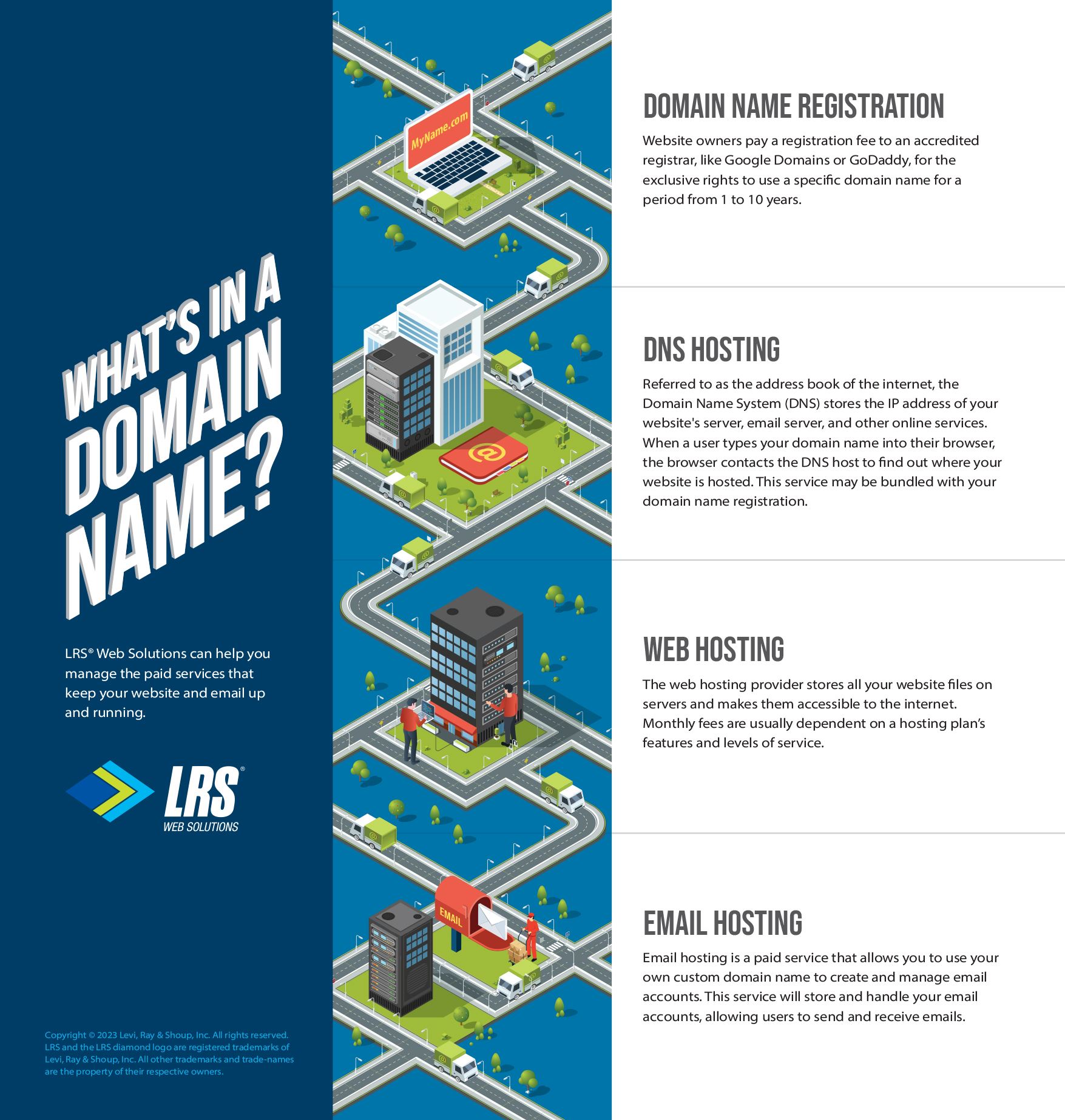
Using the email service from your web host is a common choice for many website owners. This option means your email is linked directly to your hosting account. It offers a simple way to manage both your website and email in one place. Many hosts include email as part of their hosting packages. This can make it easy to set up and use.
Setup And Accessibility
Setting up email through your host is often quick. Most hosts provide a control panel to create and manage email accounts. You can access your email via webmail or connect it to apps like Outlook or Gmail. This makes checking mail easy from any device. The setup does not usually require technical skills.
Cost And Pricing
Email services from hosts are often included in hosting fees. This means no extra cost for basic email accounts. Some hosts limit the number of email addresses you can create. Upgrading to more email accounts or storage may cost extra. For small websites, the included email is usually enough.
Features And Limitations
Host email often offers basic features like sending, receiving, and spam filtering. Advanced tools like calendar, contacts, or collaboration may be missing or limited. Storage space might be smaller than specialized email providers. Attachments and message size can also have limits. These factors matter for heavy email users.
Security And Privacy
Host email security depends on the hosting provider. Many offer standard protections such as SSL encryption and spam filters. Some hosts may lack advanced security options like two-factor authentication. Privacy policies vary, so check how your data is handled. Sensitive information might need extra protection.
Support And Reliability
Support for host email usually comes from the hosting company. Response times and expertise can vary. Most hosts maintain good uptime for email servers. Downtime can affect both your website and email simultaneously. Consider host reputation before relying on their email service.
Email From Your Domain
Using email from your own domain means your email address ends with your website name. For example, yourname@yourdomain.com. This choice gives your communication a strong, professional look. It shows you care about your brand and how others see your business.
Branding And Professionalism
Email from your domain boosts your brand identity. Customers see your domain name every time you send a message. It builds trust and makes your business look serious. Using a generic email address may seem less credible.
Control And Customization
With domain email, you control your addresses. Create emails for different roles like sales@ or support@. You decide who uses them and how they work. This flexibility helps organize your communication better.
Integration With Tools
Email linked to your domain works well with many business tools. Connect it with calendars, marketing apps, and customer support software. This integration saves time and improves workflow.
Security Benefits
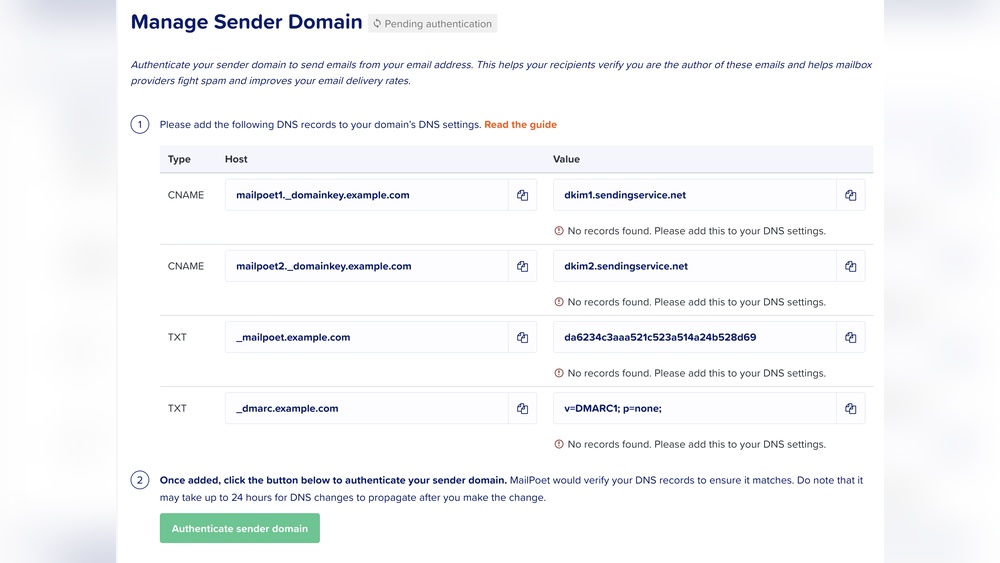
Domain emails offer stronger security settings. You can set up protections like SPF, DKIM, and DMARC. These help stop spam and phishing attempts. Your business data stays safer with these measures.
Scalability And Flexibility
As your business grows, domain email grows with you. Add new email accounts easily. Change settings to fit your needs. It adapts to small or large teams without hassle.
Comparing Both Options
Choosing between using email from your hosting provider or your own domain can be tricky. Each option has its own strengths and weaknesses. This section helps you compare both choices clearly. It covers ease of use, performance, cost, security, and support quality. Understanding these points will guide you to the best decision for your needs.
Ease Of Use
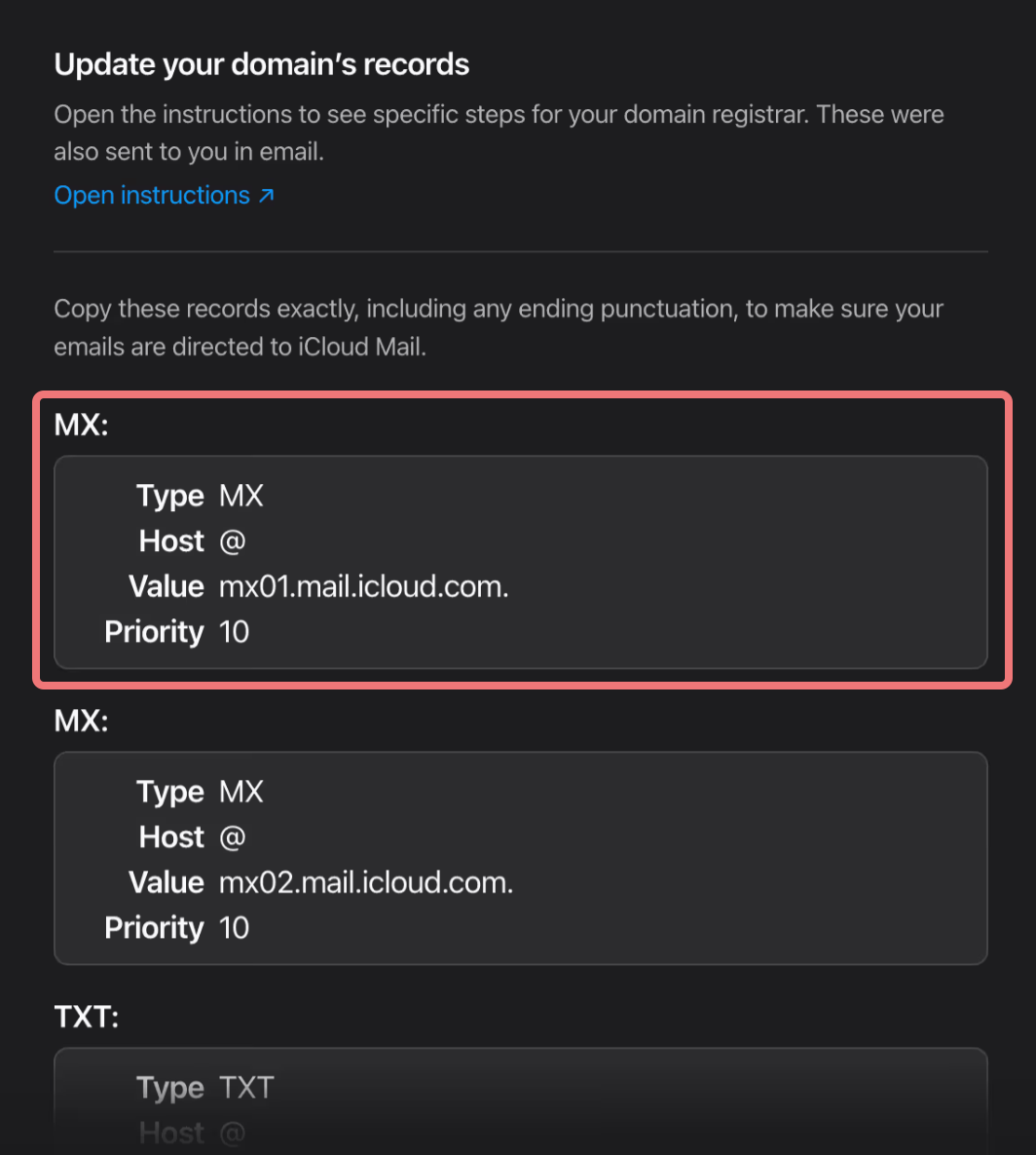
Emails from your host are usually easy to set up. Many hosts offer simple control panels to manage your email. Using your domain email may need more steps. You often must configure DNS records and email clients. Hosts handle technical details for you. Domain emails give more control but can be harder for beginners.
Performance And Speed
Hosting provider emails often share server resources with your website. This can slow down email delivery during traffic spikes. Domain-based emails usually use dedicated servers. These servers provide faster sending and receiving speeds. Dedicated email services often have better uptime and reliability. Speed matters, especially for business communication.
Cost Efficiency
Using email from your hosting is often included in your plan. This can save money if you have a tight budget. Domain email services may charge extra fees. Some offer free basic plans but limit storage or features. Consider how many email accounts you need. Look at the long-term costs and benefits.
Security Considerations
Hosts may provide basic email security like spam filtering. Domain email services often offer stronger protections. These include encryption, advanced spam filters, and malware scans. Security is vital to protect sensitive information. Choose the option that matches your security needs and risk level.
Support Quality
Hosting providers usually offer support for their email services. Support quality varies widely between hosts. Domain email providers often have specialized support teams. They can help with email-specific problems faster. Check the support options before deciding. Good support can save time and reduce frustration.
Credit: www.lrswebsolutions.com
Choosing The Right Email Solution
Choosing the right email solution matters for your business. Your email system needs to fit your size, budget, and skills. It must support your growth and offer a smooth user experience. Think about what suits your current and future needs best.
Business Size And Needs
Small businesses might find hosting email with their domain easy and affordable. Larger businesses often need more features and higher reliability. Consider how many users will need email and what tools they require. The right choice depends on your team’s size and daily tasks.
Technical Skills Required
Managing email through your host may need some technical knowledge. Setting up and maintaining servers can be complex. Services designed for email offer simpler interfaces and support. Choose a solution that matches your comfort with technology.
Budget Constraints
Some email options cost less upfront but might lack important features. Others charge monthly fees but include support and security. Balance your budget against the value you get. Avoid cheap options that could cause problems later.
Long-term Growth
Your email needs will change as your business grows. Pick a system that can scale with you. Switching email providers later can be hard and time-consuming. Plan ahead to avoid hassles and extra costs in the future.
User Experience
Easy-to-use email tools improve productivity. Look for clean interfaces and good mobile support. Fast and reliable email keeps communication smooth. Good user experience reduces frustration for your team.
Credit: knowledge.hubspot.com
Frequently Asked Questions
What Are The Benefits Of Using Email From Your Domain?
Using email from your domain boosts brand credibility and trust. It looks professional and enhances customer confidence. It also improves email deliverability and reduces spam risks. Domain-based emails help maintain consistent communication and reinforce your brand identity.
Is Hosting Provider Email Reliable For Business Communication?
Hosting provider emails can be reliable but often lack advanced features. They may have limited storage and fewer security options. For professional use, domain-based emails usually offer better control, security, and branding, making them a more suitable choice for business communication.
How Does Domain Email Improve Brand Recognition?
Domain email includes your website name, making emails instantly recognizable. It reinforces your brand every time you send a message. This consistency helps build trust and professionalism, encouraging customers to engage more with your business and boosting overall brand awareness.
Can I Use Both Host And Domain Emails Simultaneously?
Yes, you can use both, but it’s best to prioritize domain emails. Host emails may serve as backups or for internal use. Using domain emails for customer communication maintains professionalism and consistency, enhancing your business’s reputation and email deliverability.
Conclusion
Choosing between host email and domain email depends on your needs. Domain emails look professional and build trust. Host emails are easy to set up but less flexible. Think about your business size and communication goals. Your email choice affects your brand image and reliability.
Take time to weigh pros and cons before deciding. A clear, consistent email helps your business grow. Keep your communication simple and reliable for best results.


