Choosing between domain name servers and host nameservers can feel confusing. You want your website to run smoothly, but which option truly gives you the best control and performance?
Making the wrong choice could slow your site down or cause unexpected issues. You’ll discover the key differences and find out which one fits your needs perfectly. By the end, you’ll feel confident about where to point your domain for the best results.
Keep reading to make the smart move for your online presence.
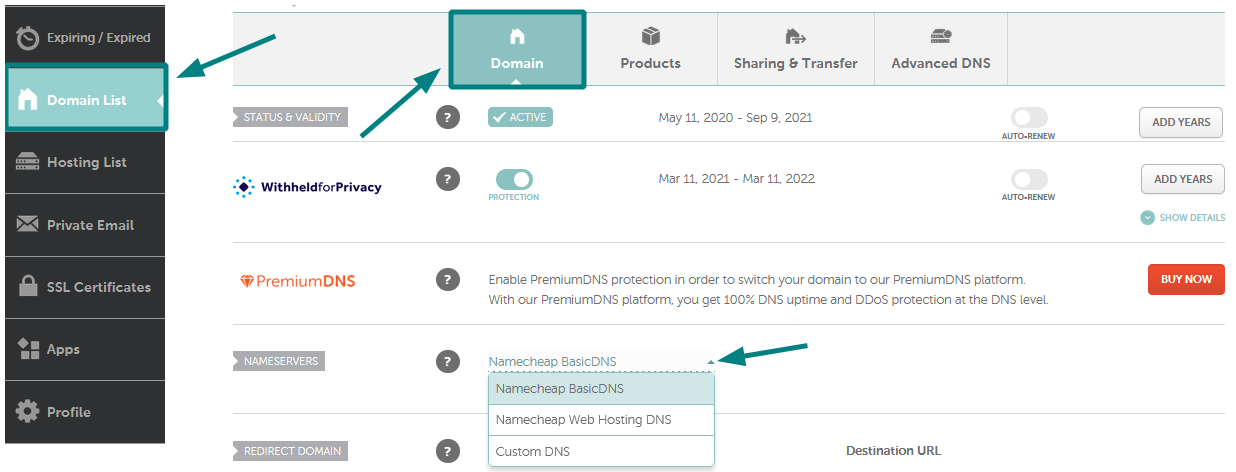
Credit: www.namecheap.com
Domain Name Servers Basics
Understanding domain name servers is important for managing websites and online services. These servers help translate easy website names into numbers computers can read. This process makes the internet easy to use for everyone.
Knowing how domain name servers work can help you decide between using them or host nameservers. This knowledge also helps with website speed and reliability.
What Are Domain Name Servers
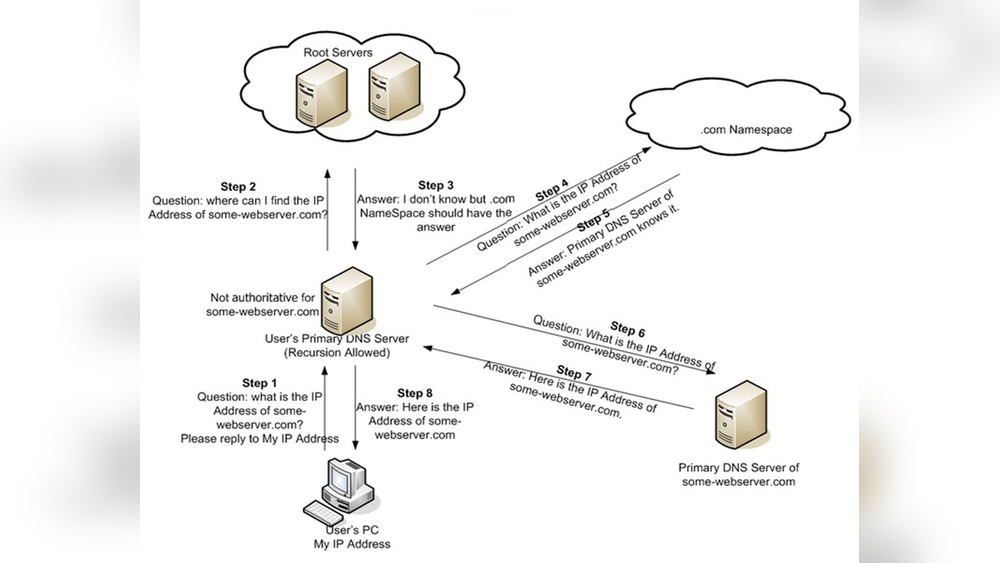
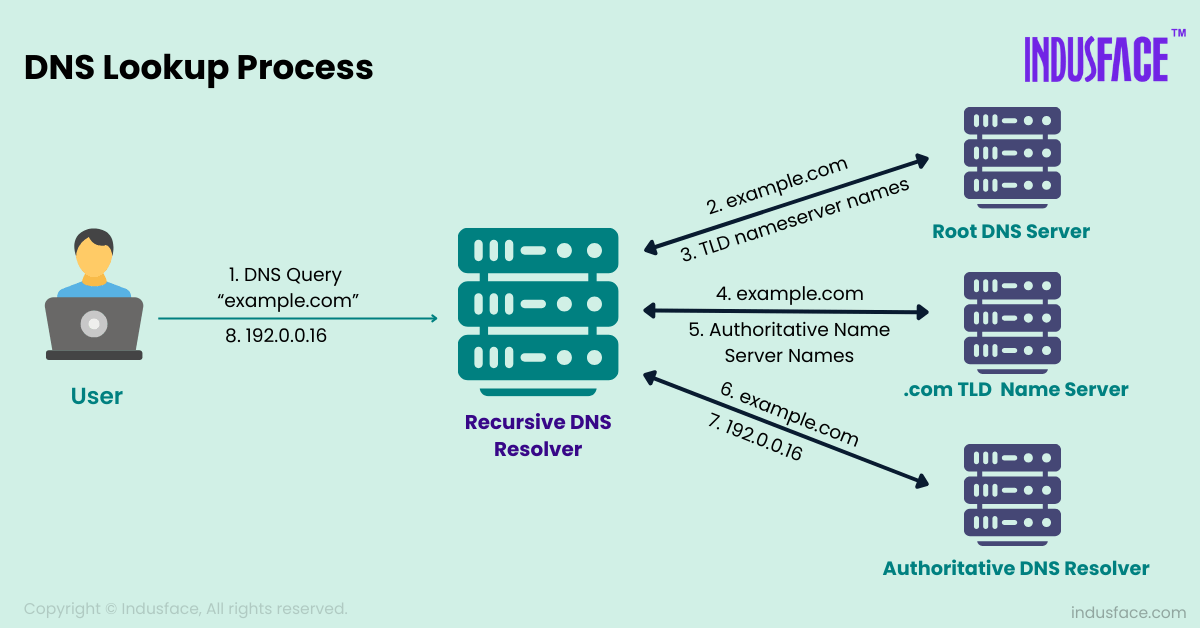
Domain name servers, or DNS, are special computers on the internet. They hold a directory of website names and their matching IP addresses. When you type a website address, DNS finds the correct IP address. This allows your browser to load the website you want.
Role In Internet Functionality
DNS plays a key role in the internet’s operation. It acts like a phone book for the web. Without DNS, you would need to remember long numbers for every website. DNS makes web browsing simple and fast by connecting names to addresses quickly.
Host Nameservers Explained
Host nameservers play a key role in managing your website’s domain. They help direct internet traffic to your web hosting server. Understanding how they work can guide you in choosing the right option for your site. Let’s explore what host nameservers are and how they function.
Definition And Purpose
Host nameservers are servers that store DNS records for your domain. They tell the internet where to find your website. These servers link your domain name to the web hosting server’s IP address.
The main purpose of host nameservers is to manage your domain’s DNS settings. This includes directing email, website traffic, and other services to the correct locations. They act as a bridge between your domain and hosting provider.
How Host Nameservers Work
When someone types your domain in a browser, the request goes to the host nameserver. The nameserver looks up the IP address linked to your domain. Then, it sends this IP address back to the browser.
The browser uses the IP address to find the website on the hosting server. This process happens quickly, often in milliseconds. Host nameservers ensure visitors reach your site smoothly.
You usually get host nameservers from your hosting provider. You must update your domain’s DNS settings to point to these nameservers. This step connects your domain to your hosting account.
Comparing Dns And Host Nameservers
Choosing between domain name servers (DNS) and host nameservers can affect your website’s speed, security, and control. Understanding their differences helps you pick the best option for your needs. This section compares DNS and host nameservers in key areas.
Performance Differences
Domain name servers often have a wide network of servers worldwide. This helps deliver website data faster to users. Host nameservers may be slower if hosted on a single server or limited network. Faster DNS reduces loading time and improves user experience. Choosing DNS with good speed benefits your site’s performance.
Security Aspects
Domain name servers usually offer strong security features. They protect against attacks like DNS spoofing and cache poisoning. Host nameservers might lack advanced protections. Using DNS with built-in security reduces risks of hacking and downtime. Protecting your domain is key to maintaining trust and uptime.
Management And Control
Host nameservers give more direct control over DNS settings. You can customize records easily through your hosting provider. Domain name servers may limit changes or require extra steps. For users needing simple, direct management, host nameservers work well. Managing DNS records correctly helps keep your site running smoothly.
Benefits Of Using Domain Name Servers
Choosing the right DNS option can improve your website’s performance and management. Using Domain Name Servers offers several clear benefits. These benefits help maintain your site’s accessibility and ease your technical work.
Domain Name Servers manage your website’s address translation efficiently. They ensure visitors reach your site quickly and reliably. Many website owners prefer them for their simplicity and strong support.
Reliability And Stability
Domain Name Servers are highly reliable. They operate on large, secure networks that rarely fail. This stability means your website stays online without interruptions. Downtime is minimal, protecting your site’s reputation.
These servers also have backup systems. They automatically switch to backups if the main server faces issues. This feature keeps your website accessible all the time.
Ease Of Setup
Setting up Domain Name Servers is straightforward. Most web hosts provide clear guides and support for setup. You do not need advanced technical skills to get started.
Changes to your domain settings update quickly across the internet. This speed helps maintain smooth website operations. You can manage your site’s DNS settings from one place easily.
Third-party Services
Using Domain Name Servers allows easy integration with third-party services. These include content delivery networks and security tools. Such services improve website speed and protection.
Many third-party providers offer DNS management tools. These tools add extra features like traffic analysis and advanced security. This flexibility helps customize your website’s performance.
Advantages Of Host Nameservers
Host nameservers offer several benefits that can improve your website management. They provide more control and flexibility than standard domain name servers. Many website owners prefer host nameservers for these key reasons.
Customization Options
Host nameservers let you customize DNS settings easily. You can create unique records tailored to your website needs. This helps improve site performance and security. Customization allows for better traffic management and faster responses.
Branding Opportunities
Using host nameservers supports your brand identity. You can use your domain name in the nameserver addresses. This makes your website look more professional and trustworthy. It also strengthens your brand’s presence online.
Direct Control
Host nameservers give you direct control over DNS settings. You can update records without waiting for third parties. This means quicker changes and fewer delays. Direct control helps maintain website stability and uptime.

Credit: superuser.com
Common Use Cases For Each Option
Choosing between domain name servers and host nameservers depends on your specific needs. Each option suits different situations better. Understanding common use cases helps you decide which fits your setup.
Small Business Needs
Small businesses often require simple, reliable DNS management. Domain name servers work well by offering easy control over domain settings. They allow businesses to update records without complex setups. Host nameservers may add unnecessary complexity for small teams. Domain servers provide enough features to handle email, website, and security needs.
Large Enterprises
Large enterprises need advanced DNS solutions for many domains and subdomains. Host nameservers offer more control and customization options. They can integrate with internal networks and support higher traffic. Enterprises often require faster DNS resolution and better security. Host nameservers fit these demands by allowing detailed configuration and monitoring.
Personal Websites
Personal websites usually have simple requirements. Domain name servers are easy to use and often included with domain registration. They allow quick setup for blogs or portfolios. Host nameservers are less common for personal sites due to complexity. Most individuals benefit from the simplicity of domain name servers for their online presence.
Potential Drawbacks To Consider
Choosing between domain name servers and host nameservers is important for your website. Each option has drawbacks that affect your site’s performance and management. Understanding these potential issues helps you make the right choice.
Technical Complexity
Using domain name servers can require more technical skills. You must configure DNS settings correctly. Mistakes can cause your website to go offline. Host nameservers often simplify this process. They handle settings for you, reducing errors. Still, some knowledge about DNS is useful for troubleshooting.
Cost Factors
Domain name servers may come with extra costs. Some providers charge fees for advanced DNS features. Host nameservers are often included with your hosting plan. This can save money but may limit control. Choose based on your budget and feature needs.
Support And Maintenance
Domain name servers need regular updates and checks. Neglecting maintenance can lead to security risks. Host nameservers usually provide support as part of the hosting service. This eases the burden but might slow response times. Good support is crucial for quick problem solving.
Making The Right Choice
Choosing between domain name servers and host nameservers is important for your website’s performance. The right choice affects speed, reliability, and ease of management. Understanding your needs helps make a smart decision.
Assessing Your Requirements
Start by identifying what your website needs. Think about traffic volume, security, and control over DNS settings. If you want full control and advanced features, domain name servers might suit you better. For simpler setups, host nameservers can work well. Your technical skill level also matters here.
Evaluating Provider Options
Look closely at the services your provider offers. Check for uptime guarantees and support quality. Some providers include extra tools like DDoS protection or easy DNS management. Compare prices too. A low cost is not always the best choice if service is weak.
Future Scalability
Consider your website’s growth plans. Will traffic increase? Will you add new services or domains? Choose a solution that can scale with your needs. Domain name servers often offer more flexibility and better performance for growing sites. Host nameservers may limit your options later.
Credit: www.indusface.com
Frequently Asked Questions
What Is The Difference Between Dns And Host Nameservers?
DNS translates domain names into IP addresses. Host nameservers store DNS records and manage domain routing. DNS is the system; host nameservers are the servers within that system.
Should I Use Domain Name Servers Or Host Nameservers?
Use domain name servers for general DNS management. Choose host nameservers if your web host provides advanced DNS features. Your choice depends on control and technical needs.
How Do Domain Name Servers Affect Website Performance?
Domain name servers impact website speed by resolving domains quickly. Faster DNS lookup reduces page load time and improves user experience. Reliable DNS ensures consistent website availability.
Can I Switch From Domain Name Servers To Host Nameservers?
Yes, switching is possible by updating DNS settings at your registrar. Ensure the new nameservers are properly configured to avoid downtime. Backup DNS records before making changes.
Conclusion
Choosing between domain name servers and host nameservers depends on your needs. Domain name servers offer control and flexibility for managing your website. Host nameservers are often easier for beginners and come with hosting services. Both have pros and cons to consider carefully.
Think about your technical skills and what your website requires. Making the right choice helps your site run smoothly. Keep your goals clear and pick the option that fits best. This will support your website’s success over time.