
Are you setting up a website and wondering if your domain and hosting should be separate? This question might seem simple, but the answer can have a big impact on your website’s performance, security, and control.
Choosing the right approach can save you headaches and money in the long run. You’ll discover the pros and cons of keeping your domain and hosting apart, helping you make the best choice for your online presence. Keep reading to find out what works best for you.

Credit: articles.wesionary.team
Domain And Hosting Basics
Understanding the basics of domain and hosting is important before deciding if they should be separate. Both play key roles in making a website visible on the internet. Knowing their functions helps you manage your website better.
What Is A Domain Name
A domain name is the address of your website. It is what people type in the browser to visit your site. For example, example.com is a domain name. It helps users find your website easily without needing to remember numbers.
What Is Web Hosting
Web hosting is a service that stores your website files. These files include images, text, and videos. Hosting makes your website available 24/7 on the internet. Without hosting, your website cannot be accessed by users.
How Domains And Hosting Work Together
The domain name points visitors to your hosting server. It links the web address to the physical location of your site files. Both work together to deliver your website to users quickly. Without either, your website cannot function properly.
Advantages Of Keeping Domain And Host Separate
Keeping your domain and hosting separate has clear benefits. It gives you more control over your website and protects your online assets. Managing your domain independently helps avoid risks linked to hosting changes or issues. This setup also makes it easier to handle your domain settings and renewals.
Separating domain and hosting services allows you to choose the best providers for each. It offers the freedom to change hosting without affecting your domain. This choice often leads to cost savings over time. Understanding these advantages helps you make smart decisions for your website.
Improved Security And Control
Separating your domain from your host improves security. Your domain remains safe even if your hosting has problems. You control your domain settings without relying on the hosting provider. This reduces risks of losing your domain due to hosting issues or breaches.
Easier Domain Management
Managing your domain is simpler when it is separate. You can update DNS settings without affecting your hosting. Domain renewals and transfers become easier and faster. This reduces confusion and mistakes in domain handling.
Flexibility To Switch Hosting Providers
Separate domain and hosting give freedom to change hosts anytime. Your website can move to a new host without moving the domain. This saves time and avoids downtime during transfers. It allows you to choose better hosting as your needs grow.
Cost-effectiveness Over Time
Keeping domain and hosting separate can save money. You can pick affordable hosting without changing your domain. Special offers on hosting do not affect your domain costs. Managing each service individually helps control expenses better.
Potential Drawbacks To Consider
Separating your domain and hosting services can offer flexibility and control. Yet, this choice also brings some challenges. Knowing these drawbacks helps you decide better for your website needs.
Complexity In Setup
Setting up a domain and hosting from different providers can be tricky. You must link the domain to the hosting via DNS settings. This process needs attention to detail. Small errors can cause your site to go offline.
Beginners may find this confusing. It takes time to learn how to manage DNS records. Support teams might give limited help if services are separate.
Possible Technical Challenges
Technical issues may arise more often. Troubleshooting can become harder with two providers involved. Each company has its own system and rules.
Fixing problems might take longer. You may need to contact both providers to solve a single issue. Delays can affect your website’s performance and uptime.
Managing Multiple Accounts
Keeping track of separate accounts means more work. You have to remember different login details and billing cycles. Managing renewals for both domain and hosting is important.
Missing a renewal can cause your website or domain to expire. This mistake can lead to downtime or loss of your website name.
When To Keep Domain And Hosting Together
Choosing whether to keep your domain and hosting together depends on your needs. Some users find it easier to manage both services in one place. This choice suits those who want a simple and clear setup.
Convenience For Beginners
Beginners benefit from having domain and hosting with one provider. It reduces confusion about where to manage settings. One control panel means less chance of mistakes. This helps new users focus on building their website.
Simplified Billing
One bill for both domain and hosting saves time. You pay one company and track one invoice. This makes budgeting easier and avoids missed payments. It also reduces clutter in your email inbox.
Integrated Support
Support teams handle both domain and hosting issues together. You do not need to contact two companies for help. This can speed up problem-solving and reduce stress. It ensures smoother communication and faster fixes.
Steps To Separate Domain And Hosting
Separating your domain and hosting can improve your website’s flexibility and control. It involves several clear steps that anyone can follow. Each step ensures your website runs smoothly after the switch.
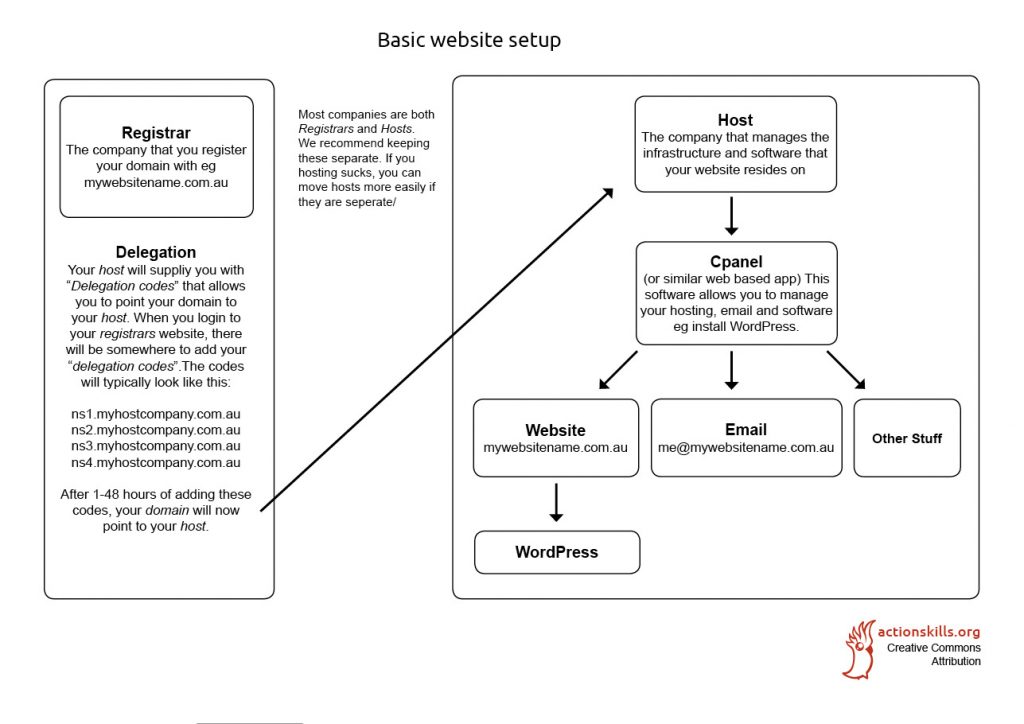
Choosing A Reliable Domain Registrar
Start by picking a trusted domain registrar. This company manages your domain name registration. Look for one with good customer service and easy domain management tools. Choose a registrar that offers strong security features like two-factor authentication.
Selecting The Right Hosting Provider
Next, find a hosting provider that fits your website needs. Consider factors like server speed, uptime, and customer support. Choose a host with a simple control panel. This will make managing your website easier.
Configuring Dns Settings
After choosing your registrar and host, set up your DNS records. DNS links your domain name to your hosting server. Update the A record and other necessary records at your domain registrar. This step is key to making your website accessible online.
Migrating Your Website Safely
Move your website files and databases carefully to avoid data loss. Use a backup before starting the transfer. Test your site on the new host to check for issues. Keep your old hosting active until you confirm the new setup works well.
Real-world Examples And Case Studies
Real-world examples and case studies show the benefits and challenges of keeping domain and hosting separate. These stories help us understand why some businesses choose to split these services. They also reveal common mistakes to avoid. Examining actual cases makes the topic clearer and more practical.
Businesses Benefiting From Separation
Many companies keep domain registration and hosting separate. This setup offers more control over each service. For example, a small online store used one provider for its domain and another for hosting. This allowed quick domain transfers without affecting the website. The store stayed online during changes, avoiding downtime.
Another business, a blog site, used separate services to improve security. If one service had issues, the other stayed safe. This separation reduced risks and kept the site running smoothly. These examples show how separation helps with flexibility and protection.
Common Mistakes To Avoid
Some businesses make errors when separating domain and hosting. One common mistake is not keeping clear records of account details. Losing login information causes delays in managing domains or hosting. Another error is choosing unreliable providers for either service. This can lead to slow websites or domain loss.
Failing to check renewal dates is also a frequent problem. Domains or hosting can expire unexpectedly, causing website downtime. It is important to track all renewals carefully. Avoid mixing personal and business accounts to keep services organized and easy to manage.
Tips For Managing Domains And Hosting Efficiently
Managing domains and hosting well saves time and avoids problems. It keeps websites running smoothly and prevents data loss. Simple habits can help control these technical parts without stress. These tips make handling domains and hosting easier for everyone.
Regular Backups
Backups protect website data from accidents or attacks. Set a schedule to save your website files often. Store backups in a safe place, separate from your main hosting. This step helps restore your site quickly if something goes wrong.
Monitoring Renewal Dates
Keep track of when domains and hosting plans expire. Use a calendar or reminder tool to avoid missing renewal dates. Renewing early stops websites from going offline or losing ownership. Staying alert prevents unexpected interruptions.
Using Management Tools
Management tools simplify handling domains and hosting. They offer dashboards to view and control settings easily. Choose tools that send alerts for renewals and security issues. These tools save time and reduce errors in website management.
Credit: actionskills.au
Credit: articles.wesionary.team
Frequently Asked Questions
Why Should Domain And Hosting Be Separate?
Separating domain and hosting enhances security and flexibility. It allows easier management and switching hosts without losing domain control. This setup prevents your website from going offline if your host faces issues. It also helps in better troubleshooting and maintaining website uptime.
Can I Use The Same Provider For Domain And Hosting?
Yes, you can use the same provider, but it limits flexibility. If the provider faces downtime or issues, both domain and hosting are affected. Separating them reduces risks and allows better control over each service independently.
How Does Separate Domain And Hosting Improve Website Security?
Keeping domain and hosting separate limits damage from hacks. If your host is compromised, your domain remains safe, preventing unauthorized transfers. This separation adds a layer of protection and allows quicker recovery from attacks.
Is Managing Separate Domain And Hosting Complicated?
No, managing separate domain and hosting is straightforward with proper tools. Most providers offer user-friendly dashboards. It requires minimal extra effort and provides better control and flexibility for website management.
Conclusion
Keeping your domain and hosting separate offers more control and flexibility. It makes switching hosts easier without losing your domain name. This setup can improve security by isolating services. Managing renewals also becomes simpler, reducing risks of downtime. Many users find it cost-effective and less risky.
Choose what fits your needs best. Separate or together, both can work well. But separate domains and hosting often give more freedom and safety. Consider your future plans before deciding.


