
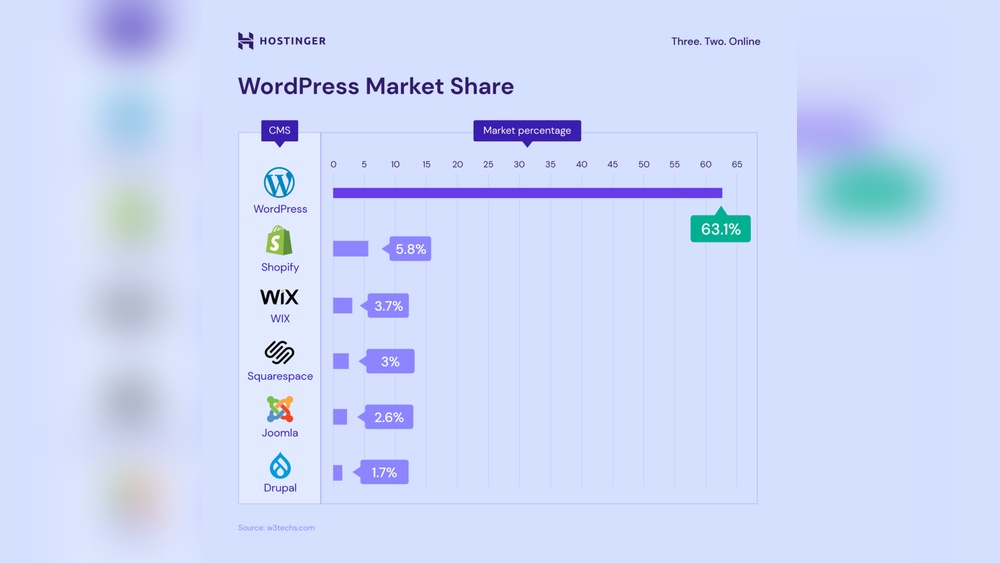
Are you curious about what WordPress is and why so many websites use it? Whether you want to start a blog, build an online store, or create a professional website, understanding WordPress is the first step.
This powerful tool can seem overwhelming at first, but once you get to know it, you’ll see how it makes website creation simple and flexible. You’ll discover exactly what WordPress is, how it works, and why it could be the perfect choice for your next project.
Keep reading, and you’ll unlock the key to bringing your ideas to life online.
What Is WordPress
WordPress is a popular tool used to create websites and blogs. It helps people build sites without needing to know coding. Many websites on the internet use WordPress because it is simple and flexible. It offers many options to customize and control your site’s look and content.
History And Evolution
WordPress started in 2003 as a small project by two developers. It began as a tool to make blogging easier. Over time, it grew into a full platform for building all types of websites. The community around WordPress helped it improve quickly. Today, it powers millions of sites worldwide.
Key Features
WordPress offers many features that make website creation easy. It has a user-friendly editor to write and format content. Themes let users change the design without coding. Plugins add extra functions like contact forms or online stores. WordPress also supports multiple languages and is mobile-friendly.
Types Of WordPress Platforms
There are two main types of WordPress platforms. WordPress.com is a hosted service that manages your site for you. It is easy to start but has some limits on customization. WordPress.org provides software you can install on your own server. It gives full control and more options for custom sites.
Credit: www.wppourlesnuls.com
Setting Up WordPress
Setting up WordPress is the first step to creating a website. It involves a few simple tasks that anyone can do. These tasks prepare your site for content and visitors. Follow these steps to start your WordPress journey easily.
Choosing A Domain And Hosting
Your domain is your website’s address on the internet. Choose a name that is short, easy to remember, and related to your content. Hosting is where your website lives online. Select a reliable hosting provider that supports WordPress. Good hosting keeps your site fast and secure.
Installing WordPress
Most hosting providers offer easy WordPress installation. Use their one-click install option to save time. If not, download WordPress from the official site and upload it to your hosting. Follow the setup wizard to connect your site with the chosen domain.
Configuring Basic Settings
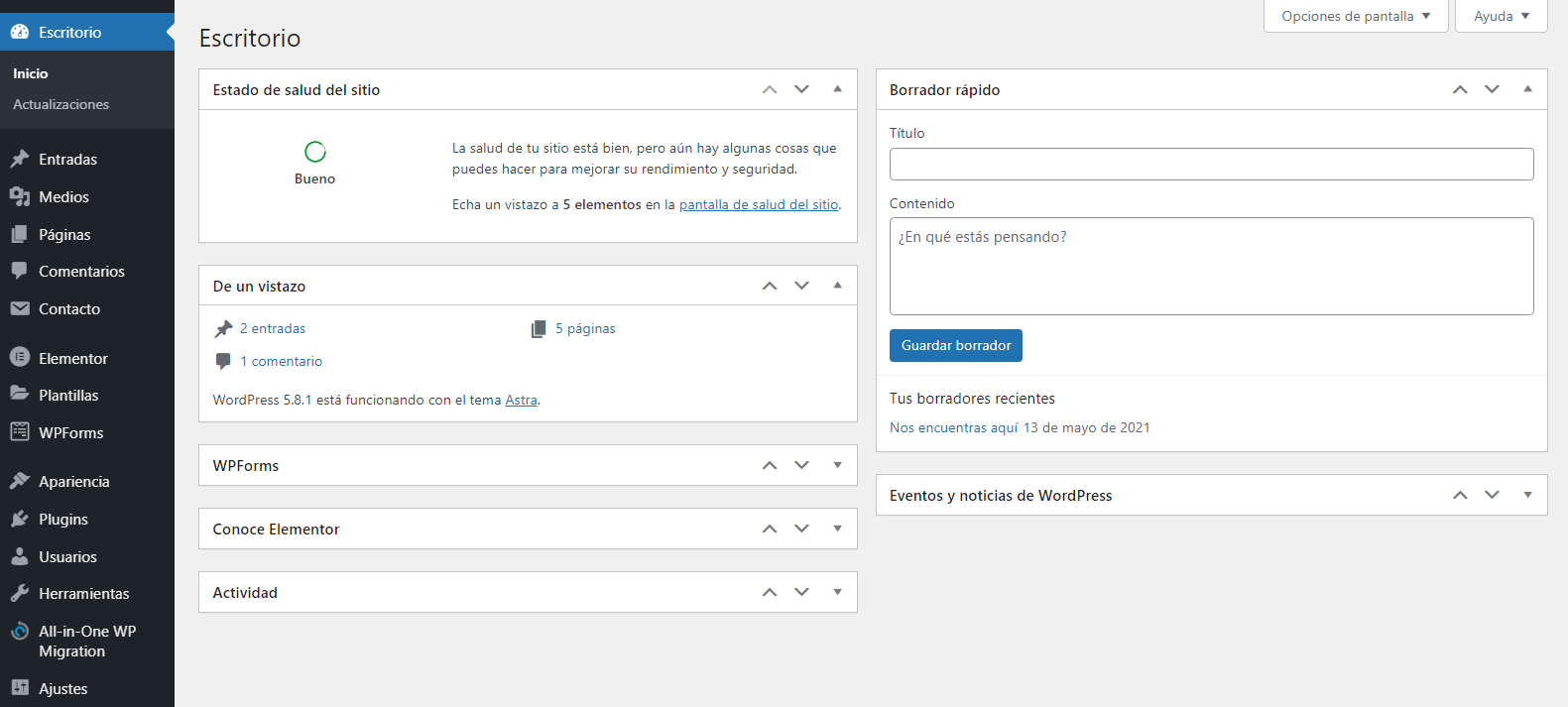
After installation, configure the basic settings inside the WordPress dashboard. Set your site title and tagline to describe your website. Choose the correct timezone and language for your audience. Enable or disable comments based on your preference. These settings help your site run smoothly.
Customizing Your Website
Customizing your website lets you make it truly yours. WordPress offers many ways to change the look and feel. You can adjust colors, layouts, and add new features. This makes your site unique and easy to use.
Selecting Themes
Themes control your website’s design and style. WordPress has thousands of themes to choose from. Pick one that fits your site’s purpose and audience. Themes are easy to install and switch anytime. You can preview how your site looks before activating a theme.
Using Plugins
Plugins add new functions to your website. They help with SEO, security, forms, and more. You can find plugins for almost any need. Installing plugins is simple and does not require coding. Activate or deactivate them as your site evolves.
Creating Menus And Widgets
Menus help visitors find important pages quickly. WordPress lets you create custom menus for your site. Drag and drop pages to arrange them easily. Widgets add extra content like calendars or search bars. Place widgets in sidebars or footers to enhance navigation.
Credit: www.hostinger.com
Creating Content
Creating content in WordPress is simple and flexible. It allows you to share your ideas, stories, or information easily. The platform offers tools to help you build posts and pages that look good and work well on any device.
You can write blog posts or create static pages for your site. WordPress gives you control over how your content appears. It also helps you organize your work for your visitors to find it quickly.
Posts Vs Pages
Posts are for timely content like news or updates. They appear in reverse order on your blog page. Posts can have categories and tags for better organization.
Pages are for static content such as About or Contact. They do not show up in blog feeds. Pages help you create a permanent structure for your site.
Using The Gutenberg Editor
The Gutenberg editor uses blocks to build content. Each block holds text, images, videos, or other media. This makes it easy to arrange and style your content.
You can add new blocks with a click. Moving blocks around helps change the layout fast. The editor shows a live preview as you work.
Optimizing Content For Seo
SEO helps your content appear in search engines. Use clear titles and headings with keywords. Write short sentences and use simple words.
Add alt text to images for better accessibility. Use internal links to connect related posts or pages. Keep paragraphs short and focused on one idea.
Boosting Website Performance
Boosting website performance is key to keeping visitors happy and engaged. A fast, smooth site helps users find what they need quickly. It also improves search engine rankings. WordPress offers many tools and tips to enhance your website’s speed, mobile use, and security. Small changes can make a big difference in how your site performs.
Improving Site Speed
Slow websites lose visitors fast. Speed up your WordPress site by optimizing images. Use caching plugins to reduce load time. Choose a reliable hosting service for better server response. Minimize the use of heavy plugins and themes. Keep your WordPress updated to benefit from performance fixes.
Mobile Optimization
Most users browse on phones. A mobile-friendly site adapts to any screen size. Use responsive WordPress themes for smooth mobile navigation. Test your site on different devices. Keep buttons and text large enough to tap easily. Fast mobile sites keep visitors from leaving quickly.
Security Best Practices
Security is part of performance. A hacked site slows down or breaks. Use strong passwords and change them often. Install security plugins to block threats. Keep WordPress, themes, and plugins updated to fix vulnerabilities. Regular backups protect your data and save time if problems occur.
Growing Your Audience
Growing your audience is key to making your WordPress site successful. More visitors mean more readers, customers, or followers. To attract and keep visitors, focus on smart strategies that connect with people and encourage them to come back.
Use tools and techniques that help spread your message and understand your audience better. This way, you can build a loyal community around your content.
Integrating Social Media
Social media helps share your WordPress content quickly. Connect your site with platforms like Facebook, Twitter, and Instagram. Share posts, images, or videos to reach a wider audience.
Encourage visitors to follow your social accounts for updates. Use social buttons on your site for easy sharing. This creates more chances for people to find your work.
Email Marketing Strategies
Email marketing keeps your audience engaged over time. Collect emails with simple forms on your WordPress site. Send newsletters, updates, or special offers regularly.
Personalize emails to make readers feel valued. Clear and short messages work best. This helps build trust and keeps visitors returning to your site.
Analyzing Traffic With Tools
Understand your visitors using traffic analysis tools. Google Analytics is a popular choice for WordPress users. It shows where visitors come from and what content they like.
Use this data to improve your site. Focus on popular topics and fix pages with low visits. Tracking results helps grow your audience steadily.
Troubleshooting Common Issues
Troubleshooting common WordPress issues helps keep your site running smoothly. Problems can arise from errors, bugs, or accidental changes. Knowing how to fix these quickly saves time and stress. This guide covers basic fixes, backups, and when to get expert help.
Fixing Errors And Bugs
WordPress errors often come from plugin conflicts or theme issues. Start by disabling plugins one by one to find the problem. Switch to a default theme to check if the theme causes the error. Clear your browser cache and refresh the site. Check for updates to WordPress, themes, and plugins. Many bugs disappear after updates.
Backup And Recovery
Regular backups protect your data from loss. Use backup plugins or your hosting service to save your site. Store backups offsite for extra safety. If something breaks, restore your site from a backup. Test backups regularly to ensure they work. A good backup plan prevents long downtime.
When To Seek Professional Help
Some issues need expert knowledge. Complex errors or hacking attempts require professional support. If troubleshooting takes too long or causes more problems, call a developer. Professionals can fix security, code, and server problems fast. Don’t wait too long to get help. Your site’s health depends on timely action.

Credit: creando.com.bo
Frequently Asked Questions
What Is WordPress Used For?
WordPress is used to create websites and blogs easily. It offers customizable themes and plugins to build various sites without coding skills.
How Does WordPress Work?
WordPress works as a content management system (CMS). It stores content in a database and displays it through templates on your website.
Is WordPress Free To Use?
Yes, WordPress software is free and open-source. However, you may pay for hosting, premium themes, or plugins for extra features.
Can Beginners Use WordPress Easily?
Absolutely! WordPress has an intuitive interface ideal for beginners. It provides many tutorials and a large support community.
Conclusion
WordPress is a simple tool to create websites. It helps anyone build blogs or online stores easily. You do not need to know coding to use it. Many people trust WordPress for its flexibility and support. It offers many themes and plugins to customize your site.
Starting with WordPress can save time and money. It grows with your needs, from small blogs to big sites. Try WordPress and see how simple web design can be.


