
Choosing the right domain and hosting service can feel overwhelming, especially when popular names like Namecheap, GoDaddy, and HostGator are in the mix. How do you know which one will best suit your needs?
This decision is crucial for your website’s success, impacting everything from speed to security. You deserve a straightforward comparison that cuts through the noise and helps you make an informed choice. Picture this: a seamless online experience where your site runs smoothly, bringing in visitors and revenue.
That’s exactly what you’re aiming for, right? Dive into this article, and you’ll find the clarity you need to select the service that will empower your online presence.
Company Backgrounds
Choosing the right web hosting provider is crucial. Understanding the backgrounds of Namecheap, GoDaddy, and HostGator can help. Let’s explore where these companies come from.
Namecheap Overview
Namecheap started in 2000. It was founded by Richard Kirkendall. The company aims to make domain registration affordable. Namecheap has grown to serve millions worldwide. It offers domains, hosting, and other services. Known for customer support and transparent pricing.
Godaddy History
GoDaddy was founded in 1997. Bob Parsons started the company. It began as Jomax Technologies. Rebranded to GoDaddy in 1999. It’s now a major player in the domain and hosting space. GoDaddy serves millions globally. Known for aggressive marketing and comprehensive services.
Hostgator Origins
HostGator was founded in 2002. Brent Oxley started it while in college. The company quickly gained popularity. It offers web hosting solutions for individuals and businesses. HostGator is known for its reliability. It has data centers around the world.
Pricing Comparisons
Choosing the right service for your domain and hosting needs can be overwhelming, especially when considering the costs involved. Namecheap, GoDaddy, and HostGator are three popular options that offer a range of pricing structures. Understanding these differences can help you make an informed decision that aligns with your budget and requirements.
Domain Registration Costs
Domain registration is often the first step in establishing your online presence. Namecheap is known for its competitive pricing, offering domains at a lower cost compared to GoDaddy and HostGator. For example, a .com domain might cost you around $8.88 annually at Namecheap, while GoDaddy prices can hover around $12.99. HostGator, typically bundled with hosting, might offer similar rates but with fewer promotional discounts.
Consider if the initial savings justify potential renewal costs, as these can increase after the first year. Namecheap often maintains lower renewal rates compared to GoDaddy.
What matters most to you—is it the initial price, or the long-term savings?
Hosting Plans And Fees
Hosting fees vary widely among these providers. Namecheap’s hosting plans start as low as $1.44/month for shared hosting, making it a budget-friendly option. GoDaddy’s plans are a bit pricier, starting at approximately $5.99/month. HostGator offers competitive prices, with shared hosting beginning at $2.75/month.
It’s essential to consider the features included in these plans, like bandwidth, storage, and the number of websites supported. Often, cheaper plans may come with limitations that could impact your site’s performance.
What features are non-negotiable for your site’s success?
Additional Services Pricing
Additional services can add significant value but also increase costs. Namecheap offers affordable SSL certificates starting at $3.98/year, while GoDaddy’s SSL packages might start around $69.99/year. HostGator offers competitive SSL pricing, often included in higher-tier plans.
Consider other services like email hosting, site backups, and security features. Namecheap often bundles these extras at a lower cost compared to GoDaddy and HostGator.
Have you considered the cumulative cost of these additional services on your overall budget?
Understanding these pricing comparisons helps you weigh the cost against the value each provider offers. Reflect on your priorities and budget constraints to guide your decision. Which provider aligns best with your financial plan and needs?
Features And Services
Namecheap offers budget-friendly domain registration and hosting services. GoDaddy provides extensive domain management tools and a user-friendly interface. HostGator excels with reliable hosting solutions and a wide range of server options. Each platform caters to different needs, ensuring flexibility and choice for users.
When choosing a domain and hosting provider, it’s crucial to understand the features and services each company offers. Namecheap, GoDaddy, and HostGator are popular choices, each with unique offerings that cater to different needs. Whether you are launching a personal blog or managing a complex business site, knowing what each provider brings to the table can help you make an informed decision. ###Domain Management Tools
Navigating domain management can be a breeze or a headache, depending on the tools at your disposal. Namecheap is renowned for its user-friendly interface, making it easy for you to register and manage domains. They provide free privacy protection, ensuring your personal information stays safe. GoDaddy, on the other hand, is known for its robust domain search capabilities. With GoDaddy, you have access to a vast selection of domain extensions. Their domain management dashboard offers a comprehensive view of your domains, allowing for seamless updates and transfers. HostGator’s domain management tools might not be as celebrated as Namecheap or GoDaddy, but they are reliable. HostGator offers straightforward domain registration and management processes, ideal for newcomers. ###Hosting Features
Hosting features are pivotal for your website’s performance and scalability. Namecheap offers affordable hosting plans with excellent uptime and reliable customer support. Their EasyWP plans are particularly appealing if you’re using WordPress. GoDaddy provides a wide array of hosting options, from shared hosting to dedicated servers. They have a reputation for strong uptime and fast load times, which is critical for maintaining visitor engagement. HostGator shines with its unlimited hosting features. You get unlimited bandwidth and storage on most plans, which is excellent for growing websites. Their baby plan allows you to host multiple domains, perfect for managing several projects under one roof. ###Security Offerings
Security is non-negotiable in the digital world. Namecheap includes free domain privacy and offers SSL certificates at competitive prices. Their security features ensure your site remains secure from threats. GoDaddy takes security seriously with a variety of add-ons. They offer daily malware scans and backups, so you can rest easy knowing your site is protected. Their website security packages are comprehensive, but they can be pricey. HostGator provides free SSL certificates with most hosting plans, a crucial feature for encrypted connections. They also offer SiteLock security add-ons, which help detect and fix vulnerabilities. When it comes to choosing between Namecheap, GoDaddy, and HostGator, consider which features align with your needs. Are you seeking robust domain tools or comprehensive security offerings? Your choice could make or break your site’s success.User Experience
Comparing user experience among Namecheap, GoDaddy, and HostGator reveals distinct differences. Namecheap offers a clean, intuitive interface that simplifies tasks. GoDaddy provides extensive features but can feel overwhelming to new users. HostGator balances functionality with ease, ideal for beginners exploring web hosting.
In the realm of web hosting, the user experience can make or break your journey. Whether you’re a newbie setting up your first site or a seasoned developer managing multiple domains, the platforms you choose can significantly impact your workflow. Let’s dive into the user experience of Namecheap, GoDaddy, and HostGator, focusing on their interface and usability, customer support, and ease of setup. ###Interface And Usability
Navigating through a web host’s interface can feel like a walk in the park or a trek through a dense forest. Namecheap offers a clean and straightforward dashboard, which can be a breath of fresh air if you’re overwhelmed by cluttered interfaces. GoDaddy, on the other hand, provides a feature-rich environment, but it might take a bit of time to get used to its busy layout. It’s like stepping into a bustling marketplace; exciting but potentially confusing. HostGator strikes a balance with its cPanel offering, which is familiar to many in the hosting world. It’s like the reliable old car that gets you from point A to B without any surprises. Which interface makes you feel at ease? ###Customer Support
Ever needed help at 2 AM? Customer support can be your lifeline. Namecheap is known for its responsive and helpful chat support. Many users rave about their quick resolutions and friendly interactions. GoDaddy offers a wide array of support options, including phone support, which can be comforting when you want to hear a human voice. However, some users find the wait times a bit longer than they’d like. HostGator provides solid support as well, with live chat and a knowledge base that’s quite comprehensive. Yet, do you prefer diving into articles or chatting with a support agent? ###Ease Of Setup
Setting up your website should be as seamless as possible. Namecheap prides itself on a straightforward setup process, perfect for those who want to get online without jumping through hoops. GoDaddy offers a plethora of tools that can help you build a site quickly, but the sheer number of options might feel overwhelming. It’s like having a toolbox with every tool imaginable, but do you know which one to use? HostGator’s setup is straightforward, particularly if you’re familiar with cPanel. It’s an efficient process, especially if you’ve been around the hosting block a few times. How important is a quick setup for you? Each of these hosting providers offers unique user experiences. Your choice might depend on what you value most: a clean interface, stellar support, or a painless setup. What’s your priority when choosing a web host?Performance And Reliability
Choosing the right web hosting provider is crucial for your website. Performance and reliability are key factors to consider. They ensure your site runs smoothly and is always accessible. Three popular providers are Namecheap, GoDaddy, and HostGator. Each has its strengths and weaknesses in performance and reliability.
Server Uptime
Server uptime measures how often a server is operational. High uptime means your website is rarely down. Namecheap guarantees 100% uptime, which is impressive. GoDaddy offers a 99.9% uptime guarantee. HostGator also promises 99.9% uptime. Consistent uptime is critical for maintaining your site’s availability. It affects user experience and SEO rankings.
Speed And Loading Times
Fast loading times enhance user experience. They can lead to higher engagement. Namecheap provides solid speed with SSD storage. GoDaddy uses advanced technology to boost speed. HostGator offers Cloudflare integration for faster loading times. Quick speed improves site performance and user satisfaction.
Downtime Handling
Unexpected downtimes can harm your business. Namecheap offers quick support for downtime issues. GoDaddy provides 24/7 customer service to handle outages. HostGator has a robust support system for downtime management. Efficient downtime handling ensures minimal disruption. It helps maintain trust with your audience.

Credit: www.crazyegg.com
Pros And Cons
Namecheap offers affordable domains and reliable hosting but lacks advanced features. GoDaddy provides extensive marketing tools yet can be pricey. HostGator delivers flexible plans with strong uptime but has limited customer support. Each has unique benefits and drawbacks for different needs.
When choosing a domain registrar or web hosting service, it’s crucial to understand the pros and cons of each option. The right choice can significantly impact your website’s performance and user experience. Let’s delve into the advantages and disadvantages of Namecheap, GoDaddy, and HostGator. By understanding their strengths and weaknesses, you can make an informed decision that suits your specific needs.Namecheap Advantages And Disadvantages
Namecheap is often praised for its affordability and straightforward interface. Advantages of Namecheap include competitive pricing and a user-friendly dashboard, making it an excellent choice for beginners. Their customer support is responsive and available 24/7, which can be a lifesaver when you need quick assistance. However, Namecheap’s disadvantages include limited hosting features compared to some of its competitors. The performance can sometimes be inconsistent, especially for high-traffic websites. If you’re planning to scale your website quickly, you might find Namecheap’s offerings somewhat restrictive.Godaddy Strengths And Weaknesses
GoDaddy is a giant in the domain registration and hosting industry, known for its extensive marketing campaigns. One of GoDaddy’s strengths is its vast array of services, including domain registration, website building, and hosting packages. This can be a one-stop shop for all your website needs. On the flip side, GoDaddy’s weaknesses often revolve around its pricing structure. While they may offer enticing introductory rates, renewal costs can be surprisingly high. Additionally, some users find their upselling tactics to be a bit aggressive, which can be overwhelming.Hostgator Benefits And Drawbacks
HostGator is popular for its reliable hosting services and solid uptime. Among the benefits of HostGator are its robust hosting plans that cater to both small and large websites. They offer unlimited storage and bandwidth, which is attractive for growing businesses. However, the drawbacks of HostGator include their customer service, which some users find lacking in responsiveness. The interface, while functional, can feel outdated compared to competitors. If aesthetics and ease of use are high on your list, this might be a consideration. Choosing the right service depends on your specific needs and future plans. Are you looking for affordability, comprehensive services, or robust hosting? Each of these providers has unique offerings, so weigh these pros and cons carefully to find the best fit for you.Customer Reviews
Comparing Namecheap, GoDaddy, and HostGator reveals varied customer experiences. Namecheap often praised for affordable pricing and reliable support. GoDaddy receives mixed reviews, with users noting ease of use but inconsistent service. HostGator appreciated for robust hosting features, though some mention slow customer service response.
When choosing a web hosting provider, customer reviews offer a wealth of insights. They reveal the real-world experiences of users, highlighting strengths and weaknesses that marketing materials might gloss over. It’s like getting advice from a friend who has been there before. Let’s dive into what people are saying about Namecheap, GoDaddy, and HostGator, and see how these reviews can guide your decision-making.Namecheap Feedback
Namecheap often scores high on affordability. Many users praise its competitive pricing, especially for domain registration. One user mentioned finding Namecheap’s interface straightforward, making it easy for newcomers. However, some reviews note that while Namecheap’s customer support is responsive, complex issues might take longer to resolve. Consider what matters more to you—cost savings or immediate support?Godaddy Testimonials
GoDaddy is a giant in the hosting world, and its reviews reflect its vast user base. Users appreciate the extensive range of products offered, from domains to email hosting. A reviewer mentioned how GoDaddy’s promotional deals helped them start their website at a low cost. On the flip side, some customers express frustration over upselling tactics. Navigating through numerous add-ons can be overwhelming. Is the broad service offering worth the occasional sales pitch?Hostgator Reviews
HostGator is frequently lauded for its reliability and uptime. Many users commend its easy setup process, especially beneficial for beginners. One satisfied customer highlighted how their site experienced minimal downtime over several years. Yet, there are mixed feelings about HostGator’s customer service. While some find it helpful, others face delays during peak times. If uptime is your top priority, are you willing to balance it with potential support wait times? Customer reviews are more than just opinions; they are a roadmap to finding the best fit for your website needs. By understanding what users like you have experienced, you can make a choice that aligns with your priorities. What do you value most in a hosting provider?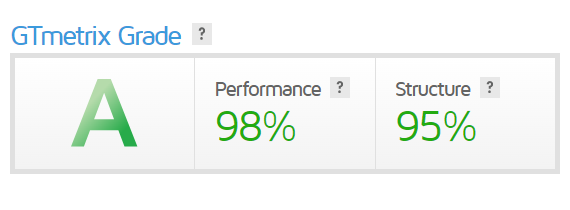
Credit: hostadvice.com
Final Verdict
Choosing the right domain and hosting provider can be challenging. Namecheap, GoDaddy, and HostGator are popular choices. Each has unique features and benefits. Let’s explore which one might suit your needs best.
Best For Beginners
Namecheap offers a simple interface. Ideal for users new to web hosting. Tutorials and guides are easy to follow. Their customer support is helpful. Pricing is affordable. A great choice for anyone starting out.
Best For Businesses
GoDaddy provides comprehensive solutions for businesses. Their marketing tools are powerful. They offer reliable uptime and security features. Businesses benefit from their robust eCommerce platform. Customer support is dedicated to assisting business owners.
Overall Winner
HostGator stands out for versatility. Suitable for various needs. They offer flexible plans and excellent uptime. Their customer service is responsive. HostGator is a well-rounded choice. It caters to both beginners and businesses.

Credit: cybernews.com
Frequently Asked Questions
Is Godaddy Or Namecheap Better?
Namecheap is often praised for affordability and privacy features. GoDaddy offers a wider range of services and robust customer support. Choose Namecheap for budget-friendly options and GoDaddy for comprehensive services. Both are reliable, so your choice depends on your specific needs.
Is Hostgator Better Than Godaddy?
HostGator offers better scalability and more hosting options than GoDaddy. GoDaddy excels in domain registration and user-friendly management. Both provide reliable services, but your choice depends on specific needs. HostGator is preferable for hosting, while GoDaddy is ideal for domain management.
Consider your requirements before deciding.
What Are The Disadvantages Of Namecheap?
Namecheap offers limited phone support, which can be inconvenient for urgent issues. Server uptime is sometimes inconsistent, affecting reliability. Advanced users may find its hosting features lacking compared to competitors. Some users report slower server speeds, impacting website performance. Pricing might increase upon renewal, leading to unexpected costs.
Conclusion
Choosing between Namecheap, GoDaddy, and HostGator can be tough. Each offers unique features and benefits. Namecheap excels with affordable domain services. GoDaddy shines with its vast marketing tools. HostGator stands out for solid web hosting options. Consider your specific needs and budget.
Think about customer support and ease of use. Each provider has strengths and weaknesses. Research and compare their services. Make an informed decision. Your website’s success depends on the right choice. Consider future growth and scalability. Choose wisely for long-term success.


