
Are you trying to decide between Namecheap Basic DNS and Web Hosting DNS for your website? You’re not alone.
Choosing the right DNS service can significantly impact your site’s performance and security. But with all the technical jargon floating around, it’s easy to feel overwhelmed. Don’t worry—you’re in the right place to make sense of it all. We’ll break down the key differences between these two options, helping you understand what each offers and which one might be the best fit for your needs.
By the end, you’ll have a clear idea of how your choice can shape your online presence and ensure your site runs smoothly. Ready to dive in and discover which DNS service is best for you? Let’s get started.
Overview Of Namecheap Basic Dns
Namecheap Basic DNS offers simple domain name management, while Web Hosting DNS integrates directly with hosting services. Basic DNS focuses on straightforward domain control, whereas Web Hosting DNS provides advanced features for server configuration. Each serves different needs depending on whether the primary goal is domain setup or web hosting management.
When choosing a domain name provider, understanding the nuances of different DNS services can make a huge difference. Namecheap’s Basic DNS is a popular choice for many, offering a straightforward, user-friendly approach. But what exactly does it offer, and are there any limitations you should be aware of? Let’s dive into the essentials of Namecheap Basic DNS, breaking down its features, benefits, and restrictions.Features And Benefits
Namecheap Basic DNS provides you with a reliable service, making it easier to manage your domain names. You get access to free DNS services with any domain purchase, which is great if you’re just starting out. The platform is user-friendly, with an intuitive interface that doesn’t require a technical background. This means you can easily manage DNS settings without feeling overwhelmed. Another advantage is the global DNS network. This ensures that your website’s load times remain consistent, regardless of where your visitors are located.Limitations And Restrictions
However, no service is without its limitations. Namecheap Basic DNS does not offer advanced DNS features that some businesses may need. For example, if you’re looking for DNSSEC support or advanced DDoS protection, you might need to look elsewhere. Another limitation is the lack of priority support. In the event of technical difficulties, response times may not be as swift as with paid DNS services. Lastly, while the basic features are free, certain advanced features might come with additional costs. It’s essential to weigh these potential expenses against your business needs. Have you ever found yourself needing more than what a basic service can provide? It’s crucial to assess whether Namecheap Basic DNS aligns with your long-term goals. Consider your current needs and future plans before deciding if it’s the right fit for you.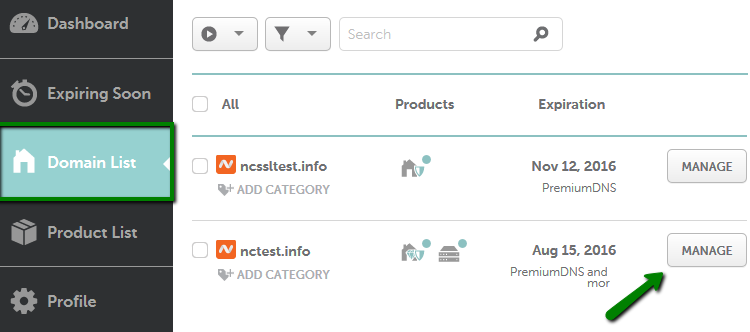
Credit: www.namecheap.com
Overview Of Web Hosting Dns
Are you confused about the difference between Namecheap Basic DNS and Web Hosting DNS? You’re not alone. Understanding Web Hosting DNS is essential for managing your website effectively. This system helps route visitors to the correct servers, ensuring your site is accessible and fast.
Features And Benefits
Web Hosting DNS offers several features that can enhance your website’s performance. It provides reliable uptime, meaning your site is rarely down, ensuring continuous accessibility for your users. Speed is another advantage; faster DNS resolution can significantly improve your site’s loading times.
Customization is a key benefit. You can manage your DNS settings directly, allowing you to personalize your domain settings according to your needs. This flexibility is invaluable for growing businesses or personal projects.
Limitations And Restrictions
While Web Hosting DNS has numerous benefits, it does come with some limitations. One common restriction is the control you have over DNS records. Some hosting providers might limit access to advanced DNS settings, which can hinder optimization efforts.
Security can be another concern. Without proper measures, your DNS could be vulnerable to attacks, potentially harming your site’s integrity. It’s crucial to ensure your hosting provider offers robust security features to protect your DNS.
Have you ever faced challenges with DNS settings? Maybe you wanted to tweak settings but found it restricted. Understanding these limitations can prepare you for similar hurdles and help you choose the right DNS setup for your needs.
Performance Comparison
Choosing the right DNS is crucial for your online presence. Namecheap Basic DNS and Web Hosting DNS both serve different needs. Understanding their performance differences can guide your decision. Let’s explore key aspects like speed, reliability, uptime, and downtime.
Speed And Reliability
Speed matters in delivering content to users. Namecheap Basic DNS is known for fast response times. It uses a global network to deliver content quickly. Web Hosting DNS, on the other hand, may vary in speed. It depends on the hosting provider’s infrastructure.
Reliability ensures users access your site without issues. Namecheap Basic DNS often provides consistent performance. It is built to handle large traffic volumes smoothly. Web Hosting DNS might face limitations, especially during high traffic.
Uptime And Downtime
Uptime is critical for maintaining site availability. Namecheap Basic DNS boasts high uptime rates. It minimizes service interruptions effectively. Web Hosting DNS can experience more downtime. This is due to shared server environments.
Frequent downtime affects user experience negatively. It can lead to lost traffic and revenue. Namecheap’s robust infrastructure often prevents such issues. Web Hosting DNS might require additional measures for stability.
Security Aspects
Understanding security features is vital for managing DNS settings. Namecheap Basic DNS and Web Hosting DNS offer distinct security levels. Each provides unique protection against threats. Knowing these differences is crucial for safeguarding your online presence.
Protection Against Threats
Namecheap Basic DNS prioritizes threat protection. It shields your domain from cyber attacks. This includes DDoS protection, reducing the risk of downtime. Web Hosting DNS also offers protection but with varying levels. It mainly focuses on server security rather than domain-specific threats.
Security Protocols
Security protocols differ between these DNS services. Namecheap Basic DNS employs robust protocols. It uses DNSSEC to ensure data integrity. This prevents unauthorized data manipulation. Web Hosting DNS may offer similar protocols, but implementation can vary. It often depends on the hosting provider’s policies.
Ease Of Use
Choosing between Namecheap Basic DNS and Web Hosting DNS can be confusing. Understanding ease of use helps you make the right choice. This part explores setup and user interface. Simple steps ensure smooth operation.
Setup Process
Namecheap Basic DNS offers a straightforward setup. Enter domain details and select DNS options. Step-by-step guidance ensures easy configuration. Beginners appreciate the simplicity.
Web Hosting DNS setup involves more steps. Requires accessing control panel and navigating settings. More complex than Basic DNS. May require technical skills.
User Interface
Namecheap Basic DNS features a clean interface. Intuitive design makes navigation effortless. Clear labels guide users through options. Ideal for non-tech savvy individuals.
Web Hosting DNS presents a detailed interface. More features mean more complexity. Requires familiarity with hosting controls. Offers advanced options for experienced users.
Both options serve different needs. Choose based on your comfort level. Prioritize ease for a hassle-free experience.

Credit: www.websitesbykhara.com
Customization Options
Choosing the right DNS service is crucial for your website’s performance and customization needs. Namecheap Basic DNS and Web Hosting DNS offer different levels of customization. Understanding these differences can help you make an informed decision.
Dns Record Management
With Namecheap Basic DNS, you get straightforward DNS record management. You can easily add, edit, or delete records like A, CNAME, MX, and TXT. This simplicity is perfect for those who want to make quick changes without fuss.
On the other hand, Web Hosting DNS often provides a more integrated experience. It might offer additional record types or automation features that tie into your hosting needs. Consider if you value simplicity or deeper integration with your hosting environment.
Advanced Settings
Advanced settings are where the two services diverge significantly. Namecheap’s Basic DNS keeps things simple by limiting advanced customization, which is great if you prefer a minimalist approach. You won’t have to worry about complex configurations.
However, Web Hosting DNS can offer more advanced settings, such as custom TTL values or geo-routing. These features are beneficial if you have specific performance or regional needs. Ask yourself if these advanced options align with your website goals.
Have you ever found yourself frustrated by a lack of control over your DNS settings? I once needed to set a unique MX record for an email service, and the limitations of a basic DNS setup became apparent. This experience taught me to value the flexibility of more advanced settings.
Customization in DNS isn’t just about the technical aspects; it’s about matching your service with your needs. Are you seeking simplicity, or do you need detailed control? Your choice impacts not just your website’s performance but also how you manage it day-to-day.
Ultimately, the best choice depends on your specific requirements and comfort level with DNS management. Consider what customization options you truly need before making a decision.
Cost Considerations
When choosing between Namecheap Basic DNS and Web Hosting DNS, understanding cost considerations can play a vital role in making the right decision for your website needs. Whether you’re launching a small blog or managing a large e-commerce site, the financial aspect can significantly impact your choice. Balancing cost with functionality is key to ensuring your money is well-spent.
Pricing Models
Have you ever wondered how DNS pricing works? With Namecheap Basic DNS, the service often comes bundled with domain registration, making it a cost-effective option for those just starting out. This means you might not pay extra for basic DNS services when purchasing a domain.
On the other hand, Web Hosting DNS is usually integrated within hosting packages. This can result in a slightly higher upfront cost, but it often includes more robust features tailored for complex websites. Consider if these additional features align with your site’s needs.
Value For Money
Do you value simplicity or advanced control? Namecheap Basic DNS offers straightforward management tools without the bells and whistles, which can be perfect for simpler websites. You get essential services without stretching your budget.
Web Hosting DNS, however, might provide greater value if your website demands high performance and comprehensive management tools. The extra cost can be justified by the enhanced functionalities that cater to dynamic and resource-heavy sites.
Think about what your site truly requires. Are you paying for features you won’t use? Or does the cost reflect necessary enhancements for your specific needs?
Comparing these options might seem daunting at first, but breaking down what you truly need versus what’s offered can save you from unnecessary expenses. Which DNS solution aligns best with your budget and website goals?

Credit: answers.netlify.com
Best Use Cases
For simple domain management, Namecheap Basic DNS suits personal websites. Web Hosting DNS is ideal for businesses needing more advanced options.
In the digital world, choosing the right DNS setup is crucial. Namecheap offers two main options: Basic DNS and Web Hosting DNS. Each has its unique benefits and scenarios where it shines. Understanding these can help you make an informed choice.Suitable Scenarios For Basic Dns
Basic DNS works well for small websites. Those without heavy traffic. It’s perfect for personal blogs or portfolios. Basic DNS offers easy setup. It requires minimal technical knowledge. It’s also cost-effective. Ideal for those on a budget. If you need a simple DNS solution, consider Basic DNS. It provides essential features. Enough for straightforward websites.Ideal Situations For Web Hosting Dns
Web Hosting DNS suits larger websites. Those with more visitors. It’s great for online stores or business sites. This setup offers advanced features. Better for complex site needs. It handles high traffic efficiently. Ensures fast and reliable performance. Web Hosting DNS provides more control. Perfect for technical adjustments. It also includes enhanced security options. Crucial for protecting sensitive data. If your site demands more, choose Web Hosting DNS.Frequently Asked Questions
What Is The Difference Between Basic Dns And Web Hosting Dns?
Basic DNS translates domain names to IP addresses. Web hosting DNS manages server locations for hosting websites.
What Is The Difference Between Hosting And Dns?
Hosting stores website files on servers. DNS translates domain names into IP addresses, directing traffic to the correct server.
What Is The Difference Between Namecheap Basic Dns And Premium Dns?
Namecheap Basic DNS is free and offers standard DNS services. Premium DNS provides enhanced security, faster speeds, and 100% uptime, ideal for businesses.
Conclusion
Choosing between Namecheap Basic DNS and Web Hosting DNS depends on needs. Namecheap Basic DNS offers simplicity. Ideal for straightforward setups. Web Hosting DNS provides more features. Better for complex sites. Consider your technical skills too. Basic DNS requires less expertise.
Web Hosting DNS might need more knowledge. Cost is another factor to weigh. Basic DNS is often cheaper. Web Hosting DNS can be pricier. Evaluate your website’s demands. Think about your budget. Make a choice that suits your situation best.
Both options have their own strengths. Decide wisely for optimal website performance.


