
Have you ever wondered how websites make their way onto the internet? The secret lies in web hosting, a crucial step that turns your ideas into accessible online realities.
Whether you’re launching a personal blog, starting an online business, or simply curious about the digital landscape, understanding web hosting is your gateway to success. In this guide, you’ll discover the essentials of web hosting in a simple and straightforward manner.
We’ll unravel the complexities and empower you to make confident choices. Stick with us to unlock the secrets of web hosting and transform your online presence. Ready to dive in? Let’s get started!
What Is Web Hosting
Web hosting stores your website files on a server so people can view them online. It works like renting space on the internet for your site. Learn how to do web hosting and make your website accessible to everyone.
Understanding The Basics Of Web Hosting
Web hosting is a service. It allows people to put their websites online. Imagine your site is a book. Web hosting is the library where you keep it. Servers are used to store your site’s files. These files include images, text, and videos. When someone types your site address, the server shows your page. Different hosting types exist. Shared hosting is popular. Many sites share one server. VPS hosting gives more control. It’s like renting a bigger space. Dedicated hosting means one server for one site. It’s costly but powerful. Cloud hosting is flexible. It uses many servers together. Choose based on needs. Think about budget, size, and traffic. Good hosting makes sites fast and safe.

Credit: www.youtube.com
Types Of Web Hosting
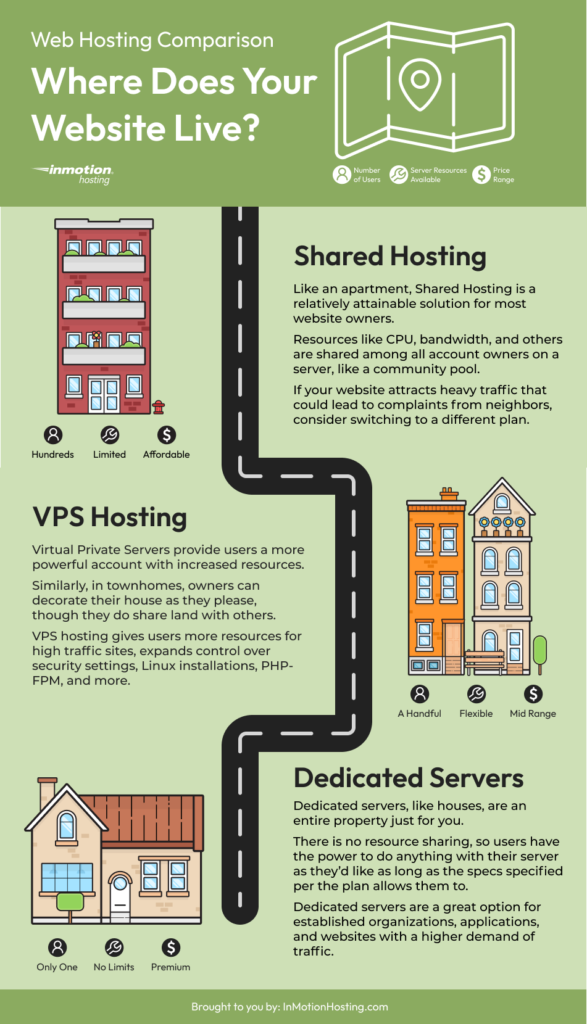
Shared hosting is like sharing a room. You share resources with others. It’s the most affordable option. Many sites use the same server. If one site gets busy, others might slow down. It’s great for small websites. Perfect for beginners.
VPS stands for Virtual Private Server. It’s like having your own apartment. You still share a building but have your own space. It offers more control and resources. It’s ideal for growing sites. More expensive than shared hosting.
Dedicated hosting is like owning a house. You have the whole server to yourself. This gives you full control. It’s perfect for large websites. Also, it’s the most expensive option. But it offers top performance.
Cloud hosting uses many servers. If one server fails, others help. It’s reliable and scalable. You pay for what you use. Great for sites with changing traffic. It offers flexibility and speed. Suitable for all kinds of websites.
Choosing The Right Hosting Plan
Understand what your website requires. Traffic size matters. Will your site have many visitors? Storage space is important. How much data will your site hold? Functionality is key. Do you need special features? Answering these questions will guide you.
Think about how much you can spend. Hosting plans vary in cost. Shared hosting is cheaper. Dedicated hosting costs more. It’s for big sites. Monthly fees can add up. Be sure you can afford them. Budget wisely.
Consider future growth. Will your site expand? Scalability allows your site to grow. Some plans are limited. Others can handle more users. Cloud hosting is flexible. It can grow with your site. Choose a plan that fits your future needs.
Setting Up Your Hosting Account
First, think of a good name for your website. The name should be easy to remember and spell. Next, visit a domain registrar like GoDaddy or Namecheap. Check if your desired name is available. If it is, you can register it by paying a small fee. This name will be your website’s address on the internet.
Choose a reliable provider for your website. Some popular options include Bluehost, HostGator, and SiteGround. Compare their features and prices. Think about how much space and bandwidth you need. A good provider will offer customer support and uptime guarantees.
After choosing a provider, it’s time to set up your account. Fill in your personal information like name and email. Choose a payment plan that suits you. Set a strong password for security. Check your email for a confirmation link. Click it to activate your hosting account.
Uploading Your Website
FTP stands for File Transfer Protocol. It helps move files from your computer to your web server. You need an FTP client like FileZilla. First, install it on your computer. Next, enter your server details. These include host, username, and password. Drag your website files into the client. Click “Upload.” Your files will transfer to the server. It’s a simple way to upload your site.
Many web hosts offer a File Manager tool. You can find it in your hosting control panel. This tool lets you manage files directly on the server. First, log into your control panel. Open the File Manager. Click “Upload” to start. Choose your files from the computer. Upload them to the server. It’s easy to use and does not need extra software.
CMS platforms like WordPress make uploading easy. Log in to your CMS dashboard. Look for the “Upload” or “Add New” option. You can upload themes, plugins, and other files. Many CMS platforms have built-in file managers. They simplify the upload process. With CMS, you manage all your content in one place.
Credit: www.inmotionhosting.com
Managing Server Settings
The control panel helps you manage your website. It is like a dashboard. You can add new email accounts. You can check your website’s data. It is easy to use. There are buttons for every task. Just click and you are done. The control panel saves time.
Security is very important. You must keep your site safe. Use strong passwords always. Update your software regularly. Install a good firewall. Check for threats often. Protect your data and your users.
Fast websites make users happy. Slow sites make users leave. Keep your site light. Remove unnecessary files. Use caching to speed up. Compress images for faster load. Regularly check your site’s speed.
Ensuring Website Security
SSL certificates keep your data safe. They make a secure link between server and browser. Data is encrypted. Hackers cannot read it. Websites with SSL show a padlock icon. This tells users they are safe. Most people trust websites with SSL.
Regular backups save your data. Sometimes things go wrong. Files get lost or damaged. Backups help restore data. Keep backups in a safe place. Use both online and offline storage. This helps in emergencies. Backups are very important.
Firewalls block unwanted access. They act like a security guard. They monitor incoming and outgoing traffic. Only trusted data can pass through. Firewalls protect your site from attacks. They keep your website safe and secure.

Credit: www.amazon.com
Monitoring Website Performance
Traffic analysis tools help you see who visits your website. These tools show which pages are popular. Google Analytics is a common tool. It is easy to use. You can track visitors. You can see which countries they come from.
Uptime monitoring checks if your website is online. It helps make sure your site is always up. Downtime can be bad for visitors. Tools like Pingdom can help. They alert you if the site goes down.
Load speed testing shows how fast your site loads. Fast loading is important. People leave slow sites. Tools like GTmetrix can help. They show ways to make your site faster. Faster sites keep visitors happy.
Troubleshooting Common Issues
Downtime can be a big problem. Always check your server’s status first. Sometimes, a simple restart can help. Make sure your software is up to date. Outdated software can cause downtime. Contact your hosting provider if the problem persists. They might have more information.
Error pages can confuse visitors. Check your website’s URL for mistakes. A small typo can cause big issues. Ensure all pages are linked correctly. Broken links lead to errors. Use tools to check your site’s links. Fix any broken ones right away.
Technical support can solve many problems. Most hosting providers offer 24/7 support. Keep your account details ready before contacting them. Explain your issue clearly. This helps the support team understand. They can guide you step by step. Always follow their instructions carefully.
Frequently Asked Questions
How Do I Get Started With Web Hosting?
Choose a reliable hosting provider, register a domain, and select a hosting plan. Set up your website using tools like WordPress. Configure settings, upload files, and manage content. Ensure security with SSL certificates and regular backups. Optimize performance for faster load times and better user experience.
Can You Do Web Hosting Yourself?
Yes, you can host a website yourself by setting up a server at home. This requires technical skills, reliable internet, and security measures. Alternatively, you can use your computer as a server, but it may lack efficiency compared to professional hosting services.
Which Web Hosting Is Best For Beginners?
Bluehost is ideal for beginners due to its affordable plans, user-friendly interface, and excellent customer support. It offers easy WordPress integration and a free domain for the first year. Beginners appreciate its simple setup and reliability. Bluehost’s hosting plans are perfect for starting your first website.
What Is The Basics Of Web Hosting?
Web hosting stores your website files on a server, making them accessible online. It involves choosing a hosting provider, selecting a plan, and managing server resources. Types include shared, VPS, dedicated, and cloud hosting. Features like bandwidth, storage, and uptime are essential for performance and reliability.
Conclusion
Learning web hosting doesn’t have to be difficult. Start with the basics. Choose a reliable hosting provider. Understand server types and their benefits. Explore control panel features and settings. Practice setting up your own website. Troubleshoot common issues calmly. Keep security in mind at all times.
Regular updates help maintain performance. Stay informed with the latest trends. Use online resources for additional help. With patience, you’ll manage web hosting confidently. Remember, practice makes perfect. Happy hosting!


