
Have you ever wondered why your salad dressing separates into layers after sitting for a while? You might think that oil in salad dressing simply dissolves and blends perfectly, but the reality is quite different.
Understanding whether oil in salad dressing is a true solution or something else can change the way you look at your favorite salads—and even how you prepare your dressings. You’ll discover what really happens when oil meets vinegar, why they don’t mix like you might expect, and what tricks you can use to keep your dressing smooth and delicious every time.
Keep reading to find out if oil in salad dressing is really a solution—and what that means for your next meal.

Credit: www.cleanthesky.com
Oil And Vinegar In Dressings
Oil and vinegar are classic ingredients in many salad dressings. They create a unique taste and texture. Yet, their combination raises an interesting question: is oil in salad dressing a true solution? Understanding how oil and vinegar interact helps us grasp the nature of these dressings.
The mixture of oil and vinegar shows distinct physical behaviors. These behaviors influence the appearance and stability of salad dressings on your plate.
Immiscible Liquids
Oil and vinegar are immiscible liquids. They cannot mix evenly at the molecular level. This means they do not form a single liquid phase. Instead, they stay separate because oil is non-polar and vinegar is polar. Their different chemical properties prevent them from blending smoothly.
Layer Formation
When oil and vinegar are combined, they form visible layers. The lighter oil floats above the heavier vinegar. This layering happens naturally without stirring. The two liquids separate quickly after mixing. This separation is a sign that oil and vinegar do not form a stable solution.
Heterogeneous Nature
Oil and vinegar salad dressings are heterogeneous mixtures. They consist of distinct parts that can be seen and separated. Unlike solutions, their composition is not uniform. Over time, the ingredients settle or separate into layers. This nature affects the texture and flavor release in the dressing.
Types Of Salad Dressings
Salad dressings come in various types, each with unique characteristics. Understanding these types helps explain why oil in salad dressing is not a simple solution. Different dressings mix ingredients in ways that affect texture, appearance, and taste. These types include suspensions, emulsions, and dressings that use emulsifiers to keep ingredients together.
Suspensions With Visible Particles
Suspensions contain particles that you can see, like herbs or spices. These particles float in the liquid but do not dissolve. Over time, they settle at the bottom of the container. Many Italian and vinaigrette dressings fall into this category. Suspensions are easy to identify because the ingredients separate if left still.
Temporary Emulsions
Temporary emulsions mix oil and vinegar or other liquids briefly. The oil breaks into tiny droplets and spreads through the liquid. This mix looks smooth but is unstable. After some time, the oil and vinegar separate into layers again. This happens because oil and vinegar do not mix naturally. Shaking the bottle can mix them again temporarily.
Role Of Emulsifiers
Emulsifiers help keep oil and vinegar mixed longer. They are special ingredients that hold droplets together. Common emulsifiers include mustard, egg yolk, or lecithin. These create a stable emulsion that does not separate quickly. Emulsifiers make dressings creamier and improve texture. They are key to making dressings that stay mixed on salads.
Emulsions Explained
Emulsions play a key role in many salad dressings. They are mixtures where tiny droplets of one liquid spread throughout another. Oil and vinegar, common salad dressing ingredients, do not mix naturally. But when combined properly, they form an emulsion that looks uniform for a while.
Understanding how emulsions work helps explain why oil in salad dressing is not a true solution. The oil and vinegar stay separate at the molecular level but appear mixed. This section explores how emulsions form, what keeps them stable, and their limits.
How Shaking Creates Emulsions
Shaking salad dressing breaks oil into small droplets. These droplets spread through the vinegar or water. The shaking force helps mix the two liquids temporarily. This creates a cloudy, uniform mixture called a temporary emulsion. Over time, the droplets merge and separate again.
Ingredients Stabilizing Emulsions
Some ingredients help keep emulsions stable longer. Mustard, egg yolk, or honey act as emulsifiers. They coat oil droplets and stop them from joining back together. This holds the mixture steady and smooth. Without emulsifiers, oil and vinegar separate fast.
Limitations Of Temporary Emulsions
Temporary emulsions do not last forever. Without strong emulsifiers, oil droplets will merge and rise. The dressing separates into layers after some time. Temperature and storage affect how fast this happens. Shaking is needed before each use to remix the oil and vinegar.
Health Benefits Of Oil In Dressings
Oils in salad dressings offer more than just flavor. They provide essential health benefits that support overall wellness. Including oil in your salad dressing can improve your diet and help your body absorb nutrients better. Understanding these benefits helps you make smarter food choices for a healthier life.
Healthy Fats And Nutrients
Oils in dressings contain healthy fats like monounsaturated and polyunsaturated fats. These fats help maintain cell structure and support brain function. Oils also supply important nutrients such as vitamin E and omega-3 fatty acids. These nutrients protect your cells from damage and promote healthy skin.
Improved Nutrient Absorption
Some vitamins in vegetables need fat to be absorbed by your body. Vitamins A, D, E, and K dissolve in fat. Adding oil to salad dressing helps your body take in these vitamins better. This means you get more benefits from the vegetables in your salad.
Potential Heart Health Effects
Healthy oils can support heart health by lowering bad cholesterol levels. They may help reduce inflammation and improve blood flow. Using oils like olive or avocado oil in dressings can contribute to a stronger heart and better circulation. These effects support long-term cardiovascular health.
Choosing The Right Oils
Choosing the right oil for salad dressing affects both flavor and health. Oils differ in taste, nutrients, and cooking benefits. Selecting healthy oils can improve heart health and add essential fats to your diet. It is important to understand which oils offer the best benefits and which ones to avoid.
Olive Oil Benefits
Olive oil is rich in monounsaturated fats. These fats support heart health and reduce bad cholesterol levels. It contains antioxidants that fight inflammation and protect cells. Extra virgin olive oil has a fruity taste that enhances salads. It is a popular choice for dressings due to its health benefits and flavor.
Other Healthy Oil Options
Avocado oil is another healthy option with a mild flavor. It has a high smoke point, making it versatile for cooking and dressing. Walnut oil offers omega-3 fatty acids, which support brain and heart health. Flaxseed oil also provides omega-3s but should be used only in cold dishes. These oils add variety and nutrition to your salads.
Avoiding Unhealthy Fats
Avoid oils high in trans fats and saturated fats. These fats can increase heart disease risk. Common unhealthy oils include palm oil and some vegetable oils that are heavily processed. Stay clear of oils with hydrogenated fats. Choosing natural, cold-pressed oils helps keep dressings healthy and tasty.
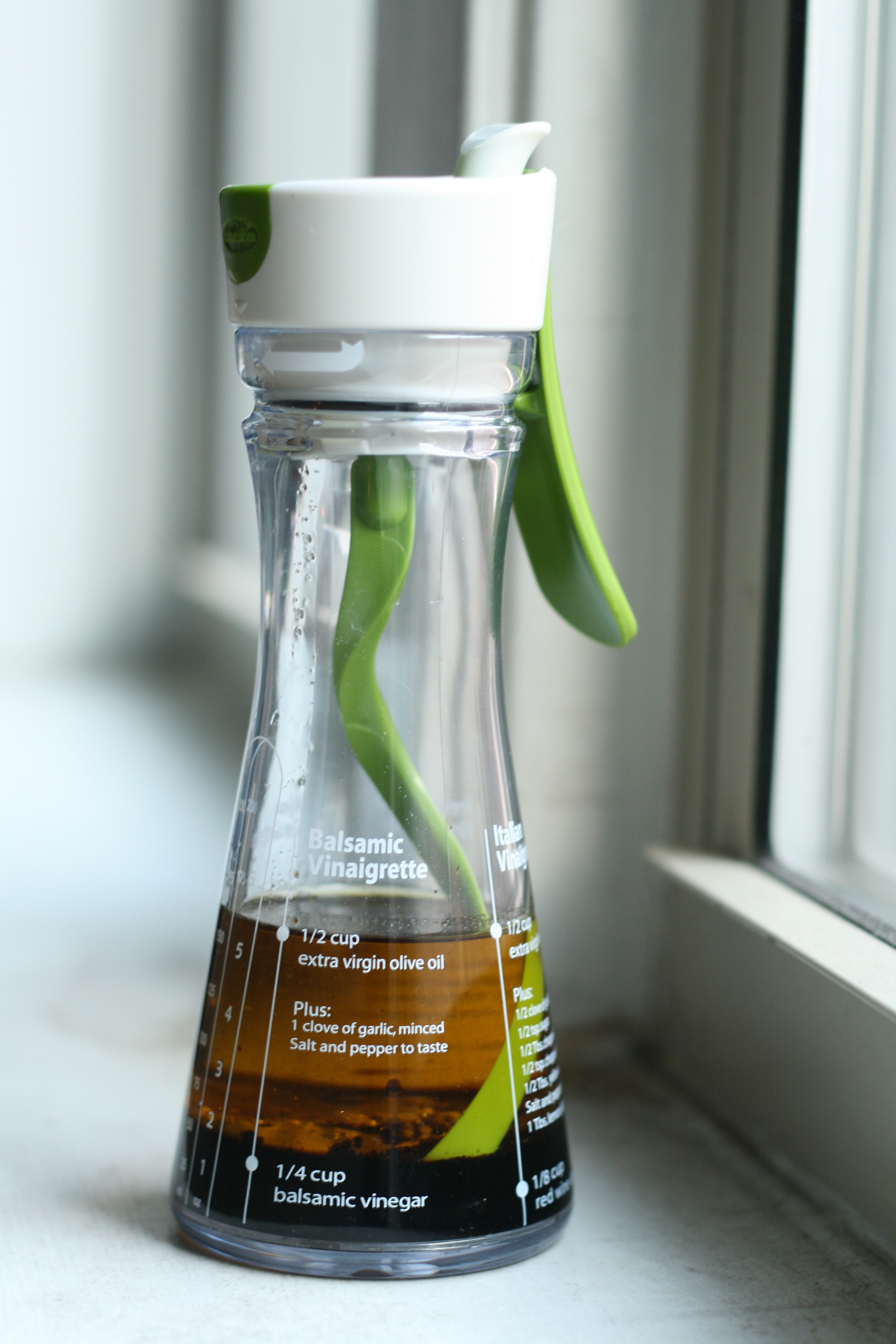
Credit: www.thefauxmartha.com
Impact On Overall Diet
Adding oil to salad dressing affects your overall diet in several ways. It changes the calorie content, nutrient balance, and health effects of your meal. Understanding these impacts helps you make better choices for your nutrition and wellness.
Calorie Considerations
Oils are high in calories. Just one tablespoon can add about 120 calories. These calories come from fat, which is dense energy. Using too much oil can increase your daily calorie intake quickly. This may lead to weight gain if not balanced with other foods. Measuring oil carefully helps control calories in your salad.
Balancing Dressings With Ingredients
Combine oil with healthy, low-calorie ingredients. Vinegar, lemon juice, and herbs add flavor without many calories. Including vegetables in your salad adds fiber and nutrients. This balance keeps your meal nutritious and tasty. Avoid dressings with too much sugar or salt to keep it healthy.
Incorporating Oils For Wellness
Oils contain essential fatty acids your body needs. Olive oil and avocado oil have good fats that support heart health. These fats help absorb vitamins from vegetables. Choose oils that are less processed and rich in nutrients. Using the right oils can improve your overall diet and wellness.
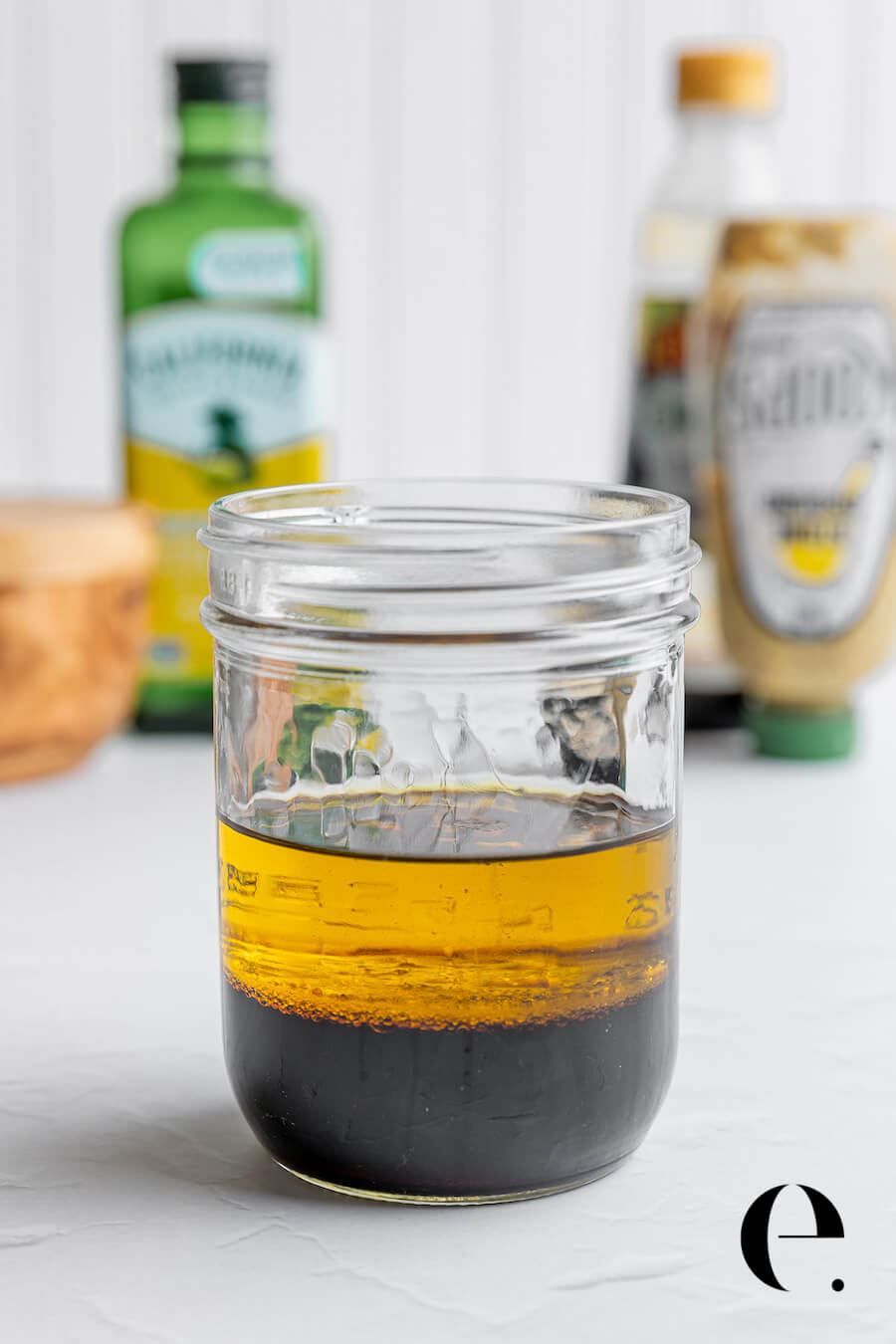
Credit: www.elizabethrider.com
Frequently Asked Questions
Is Salad Dressing A Solution?
No, salad dressing is not a solution. It is a heterogeneous mixture like an emulsion or suspension that separates over time. Oil and vinegar do not dissolve uniformly, so they form distinct layers instead of a single-phase mixture.
Is Oil A Solution Or Mixture?
Oil is a mixture, not a solution. It contains different compounds that do not dissolve uniformly. Oil and water form separate layers, creating a heterogeneous mixture.
Is Salad Dressing With Oil And Vinegar A Solution?
No, salad dressing with oil and vinegar is not a solution. It is an emulsion, a temporary mixture of two immiscible liquids that separate over time.
Is Olive Oil A Suspension?
No, olive oil is not a suspension. It is a homogeneous liquid composed mainly of triglycerides without dispersed particles.
Conclusion
Oil in salad dressing is not a true solution. It forms a mixture called an emulsion or suspension. Oil and vinegar do not mix evenly and separate over time. This separation is natural and expected. Adding emulsifiers can help keep them combined longer.
Understanding this helps set realistic expectations for your dressing. Choose ingredients knowing they will blend temporarily, not permanently. This knowledge makes salad preparation simpler and clearer. Oil in dressing adds flavor but does not dissolve fully. It remains a mix of different substances, not a single solution.


