Are you confident your hybrid workforce is ready to handle the rising threat of vishing attacks? As more teams split time between home and office, cybercriminals are finding new ways to exploit human vulnerabilities through voice phishing.
That’s why vishing training platforms have become essential tools for businesses like yours. But how do you know if these platforms truly protect your hybrid employees and strengthen your security posture? You’ll discover what vishing training really is, why it matters for hybrid workforces, and how to choose the right solution that keeps your team alert and your data safe.
Keep reading to make sure your workforce is prepared for the evolving cyber risks of today’s work environment.
Vishing Threats In Hybrid Workforces
Hybrid workforces mix remote and in-office employees. This setup creates new challenges for security. Vishing, or voice phishing, becomes a bigger threat. Attackers exploit phone calls to steal sensitive information. Understanding these risks helps protect your team and data.
Vishing attacks often target workers outside traditional office settings. Hybrid work models increase exposure to these scams. Employees may be less cautious on personal devices or home networks. Attackers use social engineering to gain trust easily. Training platforms tailored for hybrid teams can reduce these risks.
Common Vishing Techniques
Attackers use different tricks to fool employees. They pretend to be IT staff or company leaders. Some call claiming urgent security problems. Others fake calls from banks or government agencies. They ask for passwords, credit card numbers, or personal details. Scammers may use caller ID spoofing to seem real.
Another method is leaving voicemail messages with urgent requests. Employees may call back without verifying the source. Some attackers use fear or pressure to rush decisions. They exploit the hybrid setup where workers may be isolated or distracted. Recognizing these tactics is key to defense.
Risks Unique To Hybrid Models
Hybrid workforces face unique vishing risks. Employees often use personal phones for work calls. Home networks may lack strong security protections. This makes it easier for attackers to intercept or mimic calls. Remote workers may not have immediate IT support for verification.
Communication gaps can also increase vulnerability. Not all staff receive security updates at the same time. Hybrid teams may miss signs of ongoing attacks. The mix of environments creates inconsistent security habits. This inconsistency gives attackers openings to exploit.
Training platforms designed for hybrid workforces must address these issues. They improve awareness and teach verification steps. Regular practice reduces the chance of falling for vishing scams. Hybrid teams become stronger together against voice phishing threats.

Credit: calhoun.edu
Importance Of Vishing Training
Vishing training platforms offer essential tools to help hybrid workforces defend against voice phishing attacks. These platforms focus on practical learning with features that engage employees and improve their ability to detect threats. Understanding the key features of these platforms reveals how they support security awareness effectively.
Interactive Simulations
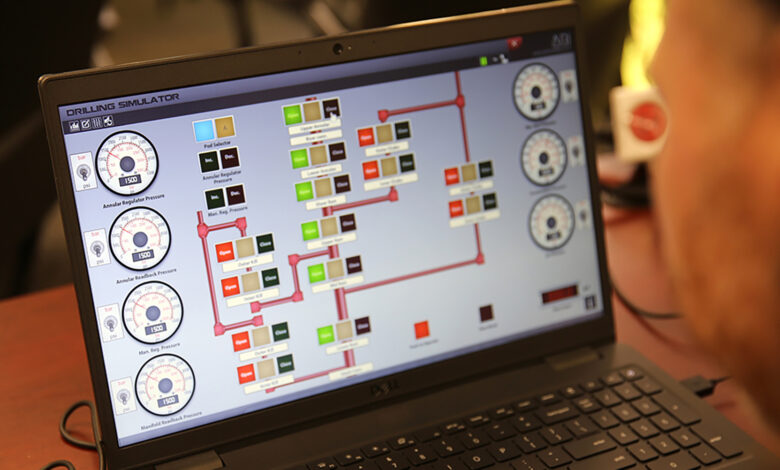
Interactive simulations mimic real vishing attacks in a controlled setting. Employees experience phone calls that look and sound genuine but contain suspicious elements. This hands-on approach helps users recognize warning signs quickly. It also builds confidence to respond correctly in actual situations.
Real-time Feedback
Real-time feedback guides employees during training exercises. When users make errors or miss clues, the platform provides immediate tips and explanations. This instant response enhances learning and helps users understand their mistakes. Continuous feedback encourages better decision-making in future calls.
Customization For Hybrid Teams
Customization allows training to fit the needs of hybrid teams working remotely and in-office. Platforms can tailor scenarios based on job roles, locations, and risk levels. This ensures relevance and keeps the training engaging. Flexible delivery supports employees regardless of their work environment.
Key Features Of Vishing Training Platforms
Implementing vishing training in hybrid workforces requires careful planning and execution. Hybrid environments combine remote and in-office staff, creating unique challenges. Training must reach all employees effectively, no matter their location. The goal is to build strong security habits and reduce risks from vishing attacks.
Scheduling And Accessibility Challenges
Scheduling training sessions can be difficult with different time zones and work hours. Some employees may work flexible schedules or part-time. Offering multiple sessions or on-demand training helps solve this issue. Accessibility is key. Training platforms must support various devices, like laptops, tablets, and phones. This ensures everyone can join without technical barriers.
Engagement Strategies For Remote Workers
Remote workers often face distractions and isolation. Interactive content, such as quizzes and videos, keeps them focused. Short, clear lessons improve understanding and retention. Frequent reminders encourage participation and completion. Virtual group discussions or live Q&A create a sense of connection. These strategies help remote employees stay engaged and motivated throughout the training.
Credit: drillingcontractor.org
Implementing Training In Hybrid Environments
Measuring the effectiveness of vishing training platforms is essential for hybrid workforces. It ensures that employees learn how to recognize and prevent voice phishing attacks. Proper measurement helps identify strengths and areas needing improvement. It also justifies the investment in training programs.
Metrics And Kpis
Tracking key metrics provides clear data on training success. Common KPIs include the percentage of employees who pass phishing simulations. Another metric is the time taken to report suspicious calls. Monitoring reduction in actual vishing incidents also shows impact. These measurable indicators help evaluate how well the training works.
Continuous Improvement
Training programs should evolve based on feedback and results. Regularly reviewing metrics allows adjustments to content and delivery. Updating scenarios keeps the training relevant to new threats. Encouraging employee input improves engagement and effectiveness. Continuous improvement ensures the training stays useful for hybrid teams.
Compliance And Regulatory Considerations
The future of vishing training is evolving rapidly. Hybrid workforces demand new methods to combat voice phishing threats. Training platforms must adapt to changing technology and workforce needs. Staying ahead of attackers requires smarter, more flexible training solutions.
Ai-powered Simulations
Artificial intelligence improves vishing training by creating realistic scenarios. AI tailors simulations to each employee’s skill level and role. It analyzes responses and adjusts difficulty in real time. This personalized approach helps employees learn faster and retain knowledge better. AI also identifies common mistakes and provides targeted feedback. These smart simulations prepare workers for real-world voice phishing attacks.
Integration With Broader Security Programs
Vishing training does not work alone. It must connect with overall security efforts in organizations. Integrating vishing modules into wider cybersecurity programs boosts awareness. Employees receive consistent messages about various threats, including phishing and social engineering. This unified training reduces gaps and confusion. It builds a stronger defense culture across hybrid teams. Combining vishing training with other security tools enhances protection.

Credit: www.forbes.com
Frequently Asked Questions
What Are The 5 C’s Of Hybrid Work?
The 5 C’s of hybrid work are Communication, Collaboration, Culture, Connectivity, and Coordination. These elements ensure productivity and engagement across remote and in-office teams.
What Are The Hybrid Considerations Of Cyber Security?
Hybrid cybersecurity requires strong identity and access management, strict protocols, and limiting access using least privilege. Protect data across cloud and on-premises environments. Train employees regularly on security risks and best practices to reduce vulnerabilities in hybrid workforces.
Which Rule Requires Security And Workforce Training For All Employees?
The HIPAA Security Rule mandates security and workforce training for all employees handling protected health information (PHI). This includes regular updates on security procedures, malware protection, and password management. Other rules like OSHA and Surface Transportation Security also require training for specific industries.
What Is A Hybrid Workforce Model?
A hybrid workforce model combines remote and in-office work, allowing employees flexibility in where they perform tasks. It enhances productivity and work-life balance.
Conclusion
Vishing training platforms help protect hybrid workforces from voice phishing attacks. They teach employees to spot suspicious calls and avoid sharing sensitive information. Regular training builds confidence and keeps security top of mind. Hybrid teams benefit from flexible, online programs that fit varied schedules.
Investing time in vishing awareness reduces risks and strengthens overall cybersecurity. Stay alert, stay safe.