
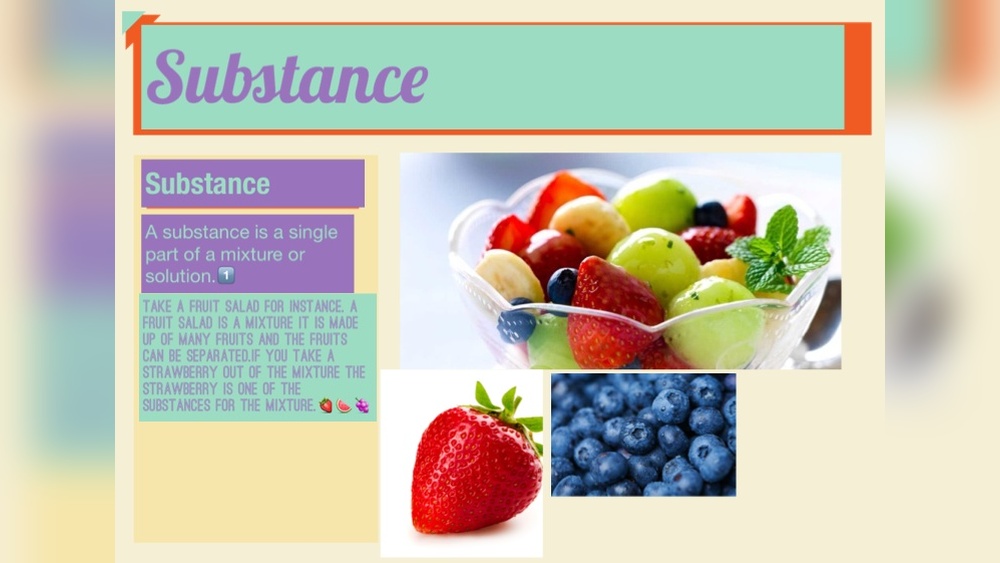
Have you ever wondered if a fruit salad counts as a solution? It might seem like a simple question, but the answer reveals something interesting about the food you enjoy and the science behind mixtures.
When you toss together juicy pieces of apples, berries, and bananas, are you creating a single, blended solution or something else entirely? Understanding this can change how you think about your favorite snacks and even your approach to healthy eating.
Keep reading to uncover the surprising truth about fruit salads and why they don’t fit the typical idea of a solution—even though they might be the perfect blend for your taste buds.
Fruit Salad Basics
A fruit salad is a popular dish made by mixing different fruits. It looks colorful and tasty. Each fruit keeps its own flavor and texture. Fruit salads are healthy snacks full of vitamins and fiber. Understanding what makes up a fruit salad helps explain why it is not a solution in chemistry.
Components And Composition
A fruit salad contains many types of fruit pieces. Common fruits include apples, bananas, grapes, and berries. Each piece stays separate and can be seen easily. The fruits do not blend into a single substance. The salad is a simple mix of solid pieces combined in one bowl. No chemical change happens between the fruits.
Heterogeneous Mixture Explained
A heterogeneous mixture has parts that are not uniform. In a fruit salad, different fruits remain distinct and separate. You can pick out each fruit easily. This is different from a solution where substances dissolve evenly. In solutions, components mix at the molecular level and look like one substance. Fruit salad’s pieces do not dissolve or disappear. This makes it a classic example of a heterogeneous mixture.
What Makes A Solution
Understanding what makes a solution is key to knowing why a fruit salad is not one. A solution is a special type of mixture where the parts blend so well, you cannot see them separately. The ingredients combine evenly, creating one single phase. This means every part of the solution looks the same.
In contrast, a fruit salad has pieces of fruit that stay separate. You can easily see the different fruits with your eyes. This difference helps us classify mixtures clearly. Let’s explore the traits that define solutions and see some examples.
Characteristics Of Homogeneous Mixtures
Homogeneous mixtures have the same composition throughout. Their particles are mixed evenly and cannot be separated by simple means. Solutions are clear and uniform, showing no clumps or layers. The solute dissolves completely in the solvent. You cannot see the individual parts. Examples include salt water and sugar dissolved in tea. These mixtures look consistent from one spot to another.
Examples Of Common Solutions
Many solutions appear in everyday life. Saltwater is a classic example. Salt dissolves fully in water, making the mix look like pure water. Sugar in coffee or tea also forms a solution. Vinegar, a mix of acetic acid and water, is another. Air itself is a solution of gases like oxygen and nitrogen. Each example shows how substances combine evenly to form one phase. This uniformity sets solutions apart from mixtures like fruit salad.
Why Fruit Salad Isn’t A Solution
A fruit salad looks mixed but it is not a solution. The different fruits keep their own shapes and colors. They do not blend into one single part. This means a fruit salad is a mixture, not a solution. A true solution has one part completely dissolved in another. You cannot see separate pieces in a solution. Fruit salad pieces stay separate and visible, so it cannot be called a solution.
Visible Separation Of Ingredients
Each fruit piece in a salad is easy to see. The colors and textures stay distinct. Pieces of apple, banana, and grapes remain separate. You can pick out each fruit easily. This shows the salad is not uniform. Solutions do not have visible parts. They look the same all over. The visible separation in fruit salad proves it is not a solution.
No Uniform Phase Formation
Fruit salad does not form one single phase. Each fruit is solid and separate. They do not dissolve or mix into a liquid phase. Solutions have one uniform phase, either liquid or gas. In a fruit salad, phases remain different. This lack of uniformity means it is a heterogeneous mixture. The fruit salad’s parts do not combine fully to create a solution.
Health Benefits Of Fruit Salad
Fruit salad offers more than a tasty treat. It delivers a wide range of health benefits. This mix of fresh fruits is full of nutrients that support overall well-being. Eating fruit salad can boost energy and help maintain a healthy body.
Nutritional Value
Fruit salad contains many important nutrients. It provides fiber, which aids digestion and keeps you full longer. The fruits supply natural sugars that give quick energy without the crash. Vitamins like vitamin C and A support the immune system and skin health. Minerals such as potassium help regulate blood pressure and heart function. This variety makes fruit salad a balanced, nutritious option.
Hydration And Vitamins
Many fruits in salad have high water content. This helps keep the body hydrated, especially on hot days. Staying hydrated improves concentration and physical performance. Fruits also contain antioxidants that protect cells from damage. Vitamins in the salad aid in healing and maintaining healthy tissues. Eating fruit salad regularly supports hydration and provides essential vitamins for daily health.
Easy And Refreshing Fixes
Fruit salad offers an easy and refreshing fix for any time of day. Its natural sweetness and variety make it a popular choice. Preparing a fruit salad does not take much time or skill. It delivers vitamins and hydration in a simple form. This section explores how to quickly prepare fruit salad and mix fruits creatively for a tasty treat.
Quick Preparation Tips
Start by washing all fruits thoroughly. Use a sharp knife for clean cuts. Cut fruits into bite-sized pieces for easy eating. Keep fruits like apples and bananas from browning by adding a little lemon juice. Chill the fruit salad before serving to enhance freshness. Use a large bowl to mix fruits gently without mashing them. Prepare fruit salad just before eating to keep flavors fresh.
Creative Fruit Combinations
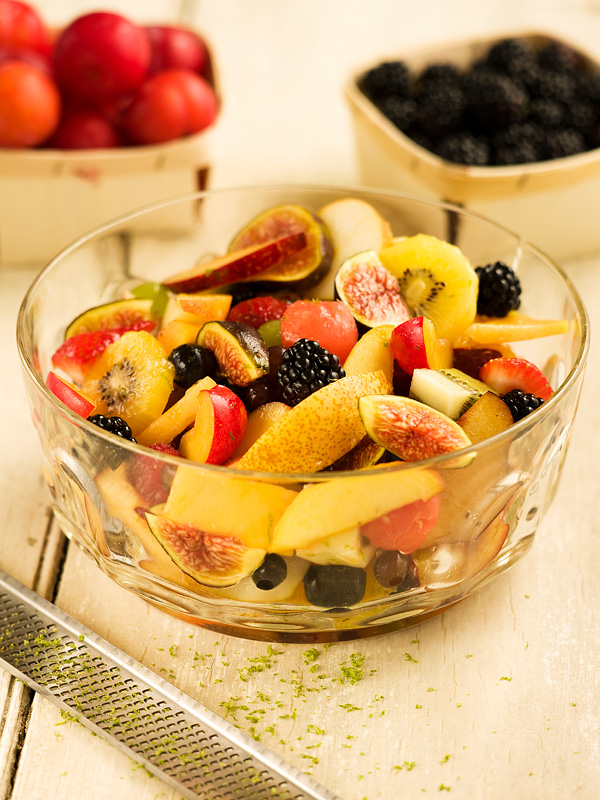
Mix sweet fruits like mango and pineapple for a tropical taste. Combine berries such as strawberries, blueberries, and raspberries for a colorful mix. Add citrus fruits like oranges and grapefruit for a tangy twist. Try mixing melon varieties like cantaloupe and honeydew for a refreshing blend. Include crunchy fruits like apples or pears for texture. Use fresh mint leaves or a sprinkle of cinnamon for extra flavor.
Credit: chefmichaelsmith.com
Fruit Salad Vs Whole Fruits
Fruit salad and whole fruits both offer tasty ways to enjoy nature’s sweetness. Each has unique qualities that affect nutrition, convenience, and digestion. Understanding these differences helps make better choices for health and lifestyle.
Pros And Cons Of Each
Whole fruits keep their natural structure intact. They provide fiber that slows sugar absorption. This helps control blood sugar levels and keeps you full longer. Eating whole fruits requires more chewing, which may aid digestion.
Fruit salads mix different fruits into one dish. They offer variety in every bite and are easy to prepare. However, cutting fruits exposes them to air, which can reduce vitamin content. Sometimes fruit salads include added sugar or dressings, increasing calories.
Best Times To Enjoy
Whole fruits are great for a quick snack anytime. Their fiber content makes them good for digestion and sustained energy. Eating them before meals can reduce overeating by adding fullness.
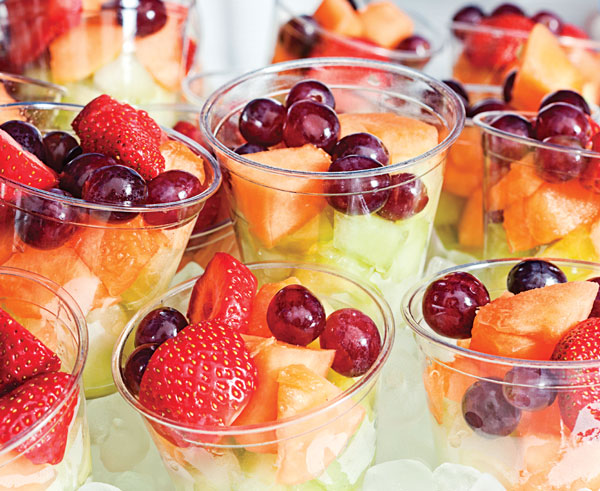
Fruit salads work well as a refreshing dessert or party dish. They provide a colorful, tasty option to satisfy sweet cravings. Fruit salad is also ideal for sharing and social occasions.
Fruit Salad In Daily Diet
Including fruit salad in a daily diet offers a simple and tasty way to boost nutrient intake. Fruit salads provide vitamins, fiber, and natural sweetness all in one bowl. They refresh the body and support digestion, making them ideal for a healthy lifestyle.
Meal Integration Ideas
Fruit salad fits well into many meals throughout the day. Serve it as a colorful breakfast side with yogurt or oatmeal. Use it as a light, sweet snack between meals. It also works as a healthy dessert after lunch or dinner. Combining different fruits keeps flavors exciting and varied.
Suitable For Various Lifestyles
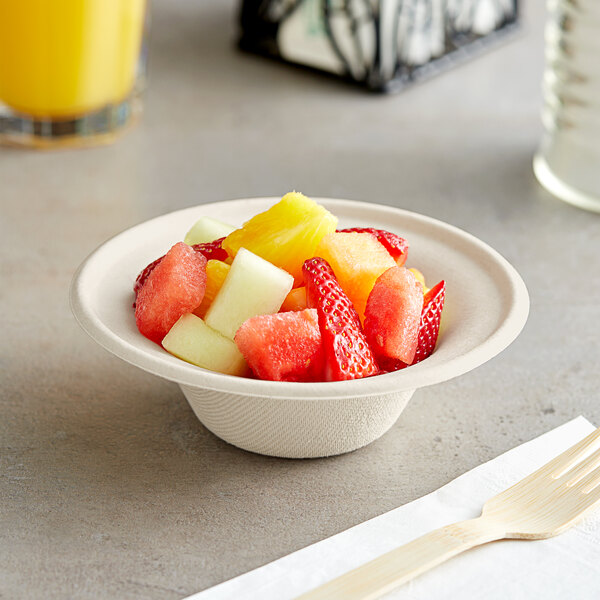
Fruit salad suits many lifestyles and diets easily. Vegetarians and vegans enjoy it as a natural, plant-based option. People on low-fat or low-calorie plans find it satisfying without extra calories. Active individuals appreciate the quick energy from natural sugars. It also helps those who prefer fresh, whole foods in their routine.
Credit: www.webstaurantstore.com
Credit: www.qsrmagazine.com
Frequently Asked Questions
Is Fruit Salad A Solution?
No, fruit salad is not a solution. It is a heterogeneous mixture with visible, separate fruit pieces, not a uniform composition.
Why Is Fruit Salad Not Considered A Solution?
Fruit salad is not a solution because its components remain separate and visible. It is a heterogeneous mixture, not uniformly blended. Solutions have dissolved substances forming a single, uniform phase. Fruit salad pieces do not dissolve, so it lacks the uniformity required to be a solution.
What Is Fruit Salad Considered?
A fruit salad is a heterogeneous mixture. It contains distinct fruit pieces that remain separate and visible. It is not a solution.
What Are 5 Examples Of Solutions?
Five examples of solutions include salt dissolved in water, sugar in tea, vinegar in oil, air (oxygen in nitrogen), and brass (copper in zinc).
Conclusion
A fruit salad shows clear pieces of fruit mixed together. Each fruit keeps its own shape and color. This means it is not a solution but a mixture. Solutions have one substance fully dissolved in another. You can see the parts in a fruit salad easily.
That’s why it cannot be called a solution. Understanding this helps in learning basic science concepts. So, remember: fruit salad is tasty but not a scientific solution.


