
Imagine this: You launch your website, expecting a flood of visitors, but instead, you face a wall of silence. Your site is down, and you’re left wondering why.
Downtime in web hosting is more than just a technical hiccup; it’s a direct hit to your credibility, revenue, and user trust. Understanding the causes of downtime is crucial for anyone who owns a website. Have you ever experienced the frustration of a non-responsive website?
The kind that leaves you scrambling for answers while potential customers drift away? It’s a common scenario, but one that can be avoided with the right knowledge. This article will dive into the nitty-gritty of what causes downtime in web hosting. We’ll uncover the hidden culprits that might be sabotaging your site and show you how to keep your online presence robust and reliable. Stay with us, and by the end of this article, you’ll not only understand the threats lurking behind the scenes but also be equipped with the tools to combat them. Let’s ensure your website stays live, 24/7, ready to welcome every visitor with open arms.

Credit: www.hostinger.com
Server Overload
High traffic spikes can make servers slow. Many users visit at once. This causes a server overload. Websites might crash or become very slow. This affects user experience negatively. To handle this, servers need strong resources. Load balancing can help manage traffic. It divides traffic across many servers.
Servers have limits on resources. These include CPU, memory, and bandwidth. If any limit is reached, downtime happens. Websites need enough resources to run well. Upgrading server resources can help. Another way is using cloud hosting. It offers flexible resources that can grow with needs.
Hardware Failures
Hard disks store all your website data. Disk crashes can cause serious problems. Data might become lost or corrupted. Crashes often happen due to wear and tear. Over time, disks get old and fail. Sudden power loss can also damage disks. Always have a backup plan. This ensures your data stays safe. Regular checks can help too.
Memory is like your computer’s brain. If there is not enough, websites run slowly. Memory issues can cause servers to stop working. Too many websites on a server can fill up memory. This makes everything slow. Upgrading memory can help. It gives more space for data to move. Always keep an eye on memory usage. It helps avoid problems.
Network Problems
Internet connectivity loss can cause web hosting downtime. This happens when the server’s connection to the internet breaks. Servers need a stable connection to keep websites online. Even a small break can cause problems. Imagine your website goes offline for a few minutes. It may frustrate visitors and hurt your reputation. Maintenance can help avoid this issue. Regular checks make sure everything is working well.
Router malfunctions can lead to downtime. Routers help direct internet traffic to the server. If a router fails, the server loses its connection. This stops visitors from reaching the website. Routers need regular updates and checks. Keeping them in good shape is important. Old routers may struggle with heavy traffic. Replacing them can fix the problem. It’s smart to have a backup plan ready.
Software Bugs
Application Errors can cause problems. Software doesn’t always work right. Mistakes in code can lead to downtime. These errors make websites stop working. Fixing them takes time and effort.
Operating System Glitches are another issue. Sometimes, operating systems crash. They can have faults that affect performance. This can make a website go offline. Regular updates help reduce glitches. But not all issues are preventable. They still cause downtime sometimes.
Security Breaches
DDoS attacks are a big problem. They flood servers with fake traffic. This makes real users wait. Websites can stop working. Hackers use DDoS attacks to cause trouble. They can happen any time. Hosting companies try to block them. But some attacks are too strong. Websites must stay safe. They need tools to fight these attacks.
Malware is a type of bad software. It sneaks into systems. It can cause downtime. Malware can steal data. It can break things. Websites must be careful. They need security checks. Hosting providers offer help. They scan for malware. They fix problems quickly. Protection is important. Without it, websites can suffer.

Credit: tremhost.com
Maintenance Activities
Scheduled updates are important for web hosting. They keep servers safe. During these updates, servers might stop working. This is called downtime. Hosting companies plan these updates. They happen at night or off-peak hours. This reduces problems for users. But, some users may still be affected.
Unexpected patches fix sudden problems. These patches are not planned. They can cause surprise downtime. Downtime affects website access. Users might see errors or blank pages. Hosting companies try to fix it fast. They aim to make websites run smoothly again. These patches are important for security and performance.
Environmental Factors
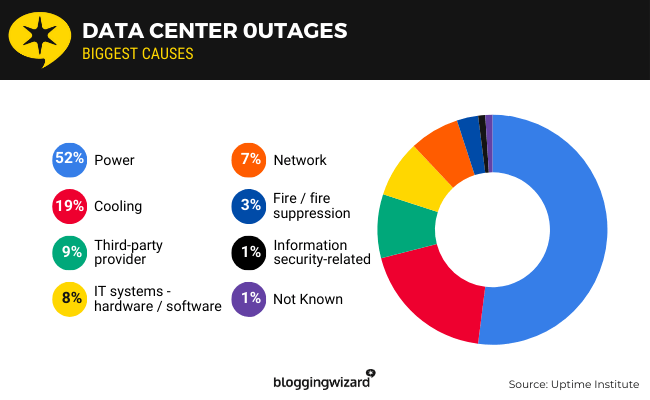
Power outages can cause web hosting downtime. Servers need electricity to work. No power means no server. Back-up generators can help. But they can also fail. Power loss is a big problem for websites. It makes them go offline. This can upset website users. It’s important to have a good power plan. This keeps websites online even in an outage.
Natural disasters like storms can harm servers. Floods, earthquakes, and hurricanes are common threats. They can break power lines. This leads to downtime. Protecting data centers is very important. They must be built strong. They should resist extreme weather. This keeps websites running during a disaster.
Credit: bloggingwizard.com
Frequently Asked Questions
What Is Downtime In Hosting?
Downtime in hosting refers to periods when a website is unavailable or inaccessible. It can result from server issues, maintenance, or technical failures. Downtime affects website performance and user experience, potentially leading to lost traffic and revenue. Reliable hosting minimizes downtime, ensuring better site availability and performance.
What Is The Main Cause Of System Downtime?
The main cause of system downtime is hardware failure. This includes issues like disk failures or server malfunctions. Regular maintenance and monitoring can help minimize these risks. Properly configured backup systems ensure quick recovery and reduce downtime impact. Prioritizing infrastructure resilience enhances system reliability and uptime.
What Does Website Downtime Mean?
Website downtime refers to periods when a site is unavailable or inaccessible to users. It affects user experience, search rankings, and business operations. Causes include server issues, maintenance, or cyberattacks. Monitoring tools can help track downtime and improve website reliability.
Keep your site optimized to minimize downtime.
Why Does Downtime Happen?
Downtime occurs due to server failures, software bugs, or maintenance activities. Network issues can also cause disruptions. Power outages and cyber attacks contribute to service interruptions. Regular monitoring and proactive measures help minimize downtime risks.
Conclusion
Downtime in web hosting can frustrate users. It affects site accessibility. Common causes include server overloads and hardware failures. Human errors also contribute to downtime issues. Poor network connections can disrupt online services. Regular monitoring helps prevent outages. Choosing reliable hosting reduces downtime risks.
Ensure your provider offers strong technical support. Backups protect data during unexpected outages. Secure hosting improves website stability. Minimize downtime through proactive management. Your site’s uptime impacts user experience. Keep your web hosting efficient and trustworthy. Prioritize stability for a seamless online presence.


