
Picture this: you’ve invested countless hours crafting the perfect website, ensuring every pixel and paragraph is just right. But here’s the burning question – how will your website perform when it’s live on a web hosting platform?
The answer can make or break your online presence. You want fast load times, reliable uptime, and a seamless experience for your visitors. But how can you be sure your chosen web host will deliver? We’ll explore the key factors that influence your website’s performance on any hosting service.
You’ll discover what to look for, what to avoid, and how to ensure your website runs like a well-oiled machine. Stick with us, and unlock the secrets to a high-performing site that keeps your audience engaged and coming back for more. Your website deserves the best, and we’re here to help you achieve it.

Credit: www.crazyegg.com
Web Hosting Basics
Your website’s performance depends on the hosting service’s speed and reliability. Fast servers ensure quicker page load times. Reliable uptime guarantees your site stays accessible to visitors.
Types Of Web Hosting
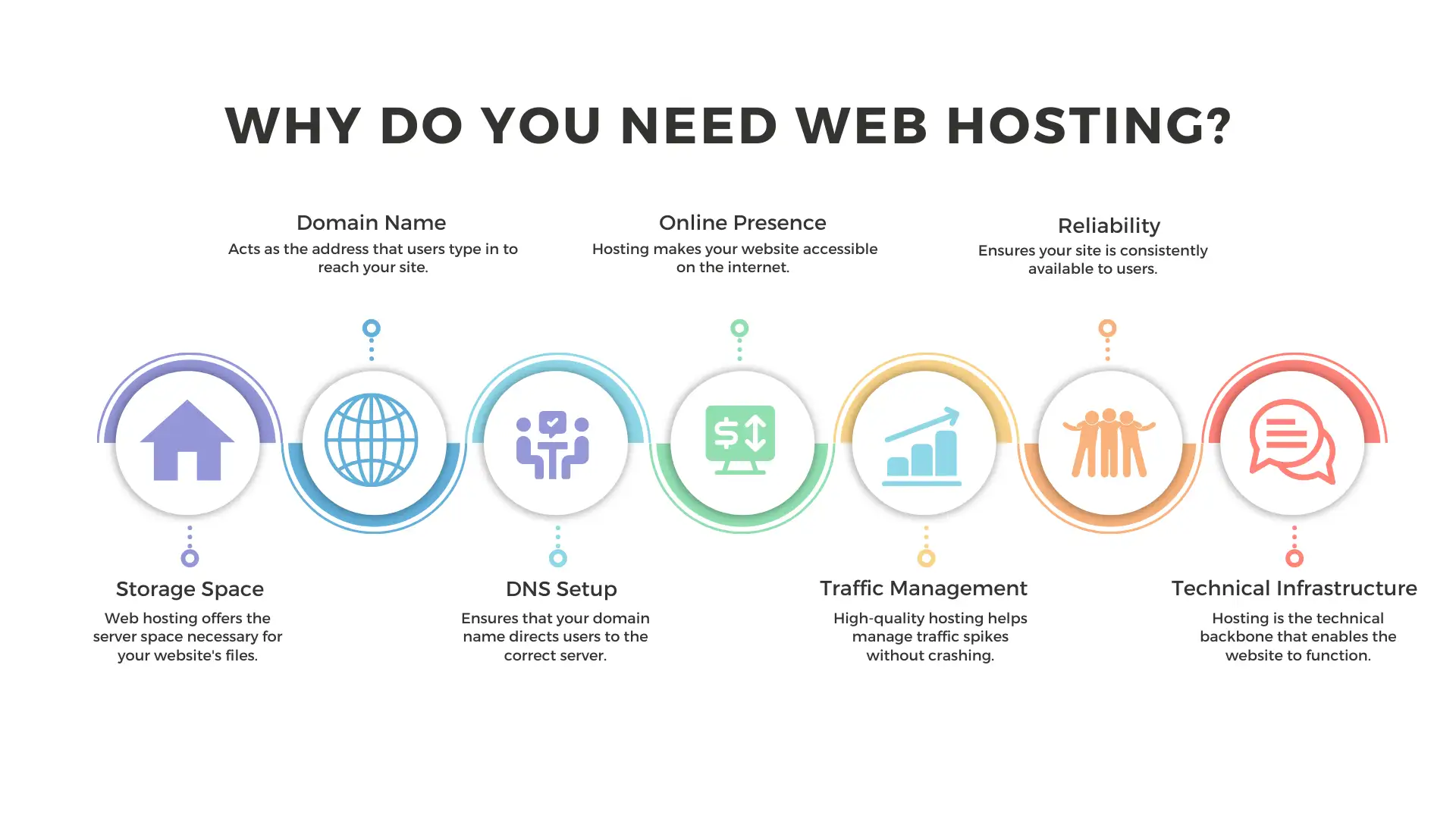
Web hosting gives your website a home on the internet. It stores your website files on a server. There are different types of web hosting. Each type serves different needs.
Shared vs. Dedicated Servers
Shared servers host many websites together. They share resources like memory and bandwidth. Shared hosting is cheaper. But it can slow down your site during peak times.
Dedicated servers host only one website. They provide better performance. Dedicated hosting is faster but costs more. It offers more control and security.
Credit: wegic.ai
Performance Metrics
Your website needs to be fast. Slow sites make visitors leave. Hosting affects this. Good hosting means your site loads quickly. Uptime is important too. Uptime shows how often your site is online. Hosts with high uptime keep your site available more. Users won’t wait for slow pages. They will choose another site.
Bandwidth is the data your site uses. More visitors need more bandwidth. Hosting should handle high traffic. This means your site stays stable even with many visitors. A good host offers ample bandwidth. This ensures users can always access your site. Traffic spikes happen. Your host should manage these without a hitch.
Technology And Infrastructure
The server location affects website speed. Closer servers mean faster loading times. Choose a server near your main audience. This ensures quicker data travel. Hardware is also key. Good hardware boosts performance. Better processors and RAM improve speed. Reliable hardware means fewer downtimes. Always check for the latest tech. This keeps your site running smoothly.
Content Delivery Networks (CDNs) help distribute your content. They have many servers in different places. This helps users access your site faster. CDNs store copies of your website data. When a user visits, they get data from the nearest server. This reduces loading time. CDNs also help handle more traffic. They make your site more reliable. Using a CDN can improve user experience.
Security Features
SSL Certificates keep your website safe. They protect information. Visitors feel secure. Data stays private. This builds trust with users. SSL is important for all sites.
DDoS Protection guards against attacks. It keeps your site running. Bad traffic can’t slow it down. This means users can always reach you. Your website stays online.
Scalability And Flexibility
Your website needs space to grow. Scalability means your site can handle more visitors. Hosting should offer easy upgrades for more traffic. Room for growth is vital for future success.
Hosting should allow custom changes. This helps you adjust your site. Customizable options include themes and plugins. These changes make your site unique. Your website should look the way you want.
Customer Support
Good customer support is very important. It helps solve problems fast. Our support is available 24/7. You can reach us anytime. This means your website is in safe hands. Quick help is always there for you.
Response time matters a lot. We reply very fast. Most issues get resolved in minutes. Our team is trained and friendly. They are ready to help you always. No long waits. No stress.
Technical help is key to keeping your site running. Our experts are always ready. They can fix issues quickly. Our team explains solutions in simple words. You will always know what is happening.
We guide you on technical tasks. This includes updates and backups. Even if something breaks, we fix it fast. Your website stays up and running. Always smooth. Always reliable.
Cost And Value
Web hosting can have different pricing models. Some charge monthly. Others have yearly plans. You might find discounts for longer commitments. Compare plans to see what fits best. Check if they offer a money-back guarantee. It helps if things don’t work out. Some hosts include hidden fees. Always read the fine print. This ensures no surprises later. Find a balance between cost and features.
Some hosts offer value-added services. These can enhance your website. Common extras include free domain names. Also, they might provide SSL certificates for security. Backups can be included too. This helps keep your data safe. Some offer email accounts with your domain. This looks professional. Consider what services add value to you. It might save money elsewhere. Check what’s included before deciding.
User Experience
Your website should be simple for visitors. Easy navigation helps them find what they need quickly. A clear layout with distinct menus is essential. Visitors enjoy a website that is fast and responsive. They should not wait long for pages to load.
Control panels must be user-friendly. Many offer tools for building websites. Some include templates to make design easier. Features like file management and backups are crucial. They help you keep your site secure and updated. A good control panel simplifies tasks with clear instructions.
Case Studies And Testimonials
Explore our case studies and testimonials to see real-world website performance on our web hosting. These stories highlight speed, reliability, and user satisfaction, ensuring your website operates smoothly.
Success Stories
Many users shared their success stories with our hosting. One user said his site loaded in just two seconds. This made his visitors very happy. Another user mentioned that their store got more sales. They believed it was because of the fast loading time. A quick website helps keep users engaged.
Our hosting made a big difference for them. They saw results in just a few weeks. Their sites ran smoothly and did not crash. Happy customers mean more business. Many thanked us for the improvement.
Customer Feedback
Customers often share their thoughts. Many love our customer support. They say our team is friendly and helpful. One customer said we fixed their problem in just 10 minutes. They were very impressed.
Another user said our hosting is reliable. They never had any downtime. This means their site is always up. Happy customers stay with us. Their feedback helps us get better.

Credit: medium.com
Frequently Asked Questions
How Does Hosting Your Own Website Work?
Hosting your own website involves selecting a domain, choosing a hosting provider, and uploading your site files. You manage server settings, ensuring security and updates. It requires technical skills and regular maintenance. Control and customization are benefits, making it ideal for those seeking independence from third-party platforms.
Is It A Good Idea To Host Your Own Website?
Hosting your own website can be a good idea if you seek full control. It offers customization and learning opportunities. Consider costs, security, and maintenance needs. Ensure you have the technical skills and resources required. For many, using a hosting provider might be more convenient and cost-effective.
What Does A Web Host Provide For A Website?
A web host provides storage, bandwidth, security, and technical support for your website. It ensures your site is accessible online. Hosting services often include email accounts, backups, and domain management. Choose a reliable host for optimal website performance and uptime.
Does Hosting Affect Website Speed?
Yes, hosting significantly affects website speed. A reliable host ensures faster server response times and better resource allocation. Choose a hosting plan that matches your website’s needs to enhance speed. Consider factors like bandwidth, server location, and technology to optimize loading times for a seamless user experience.
Conclusion
Choosing the right web hosting impacts your website’s performance. Fast loading times keep visitors happy. Reliable uptime ensures your site is always available. Security features protect your data and visitors. Customer support helps solve issues quickly. Consider these factors when evaluating web hosting options.
Your website deserves the best foundation for success. Investing time in choosing wisely pays off. It leads to smoother user experiences. A well-performing site attracts more visitors and builds trust. Make informed decisions for your website’s future. Your choice today shapes tomorrow’s success.


