
Have you ever wondered what makes a website accessible from anywhere in the world? If you’re curious about how websites get online or are considering venturing into the tech industry, understanding how a web hosting business works is a great place to start.
Think of web hosting as the digital real estate where your website lives. It’s the foundation that supports every site you visit on the internet. You’ll discover how web hosting businesses operate and the essential role they play in our digital world.
By the end, you’ll grasp not only the technical aspects but also the business opportunities that web hosting offers. Whether you’re an aspiring entrepreneur or just tech-curious, this knowledge could be the key to unlocking new possibilities. Ready to dive in and uncover the secrets of web hosting? Let’s get started!
Web Hosting Basics
Web hosting is like renting space online. It allows people to put their websites on the internet. A web host stores all the files and data. This makes sure your website is always available. The main purpose is to make websites accessible to everyone. Without web hosting, websites would not be seen by anyone.
There are different types of web hosting. Each has a special use. Shared hosting is the most common. It is like sharing an apartment with others. Then there is dedicated hosting. You get the whole server to yourself. VPS hosting is a mix of shared and dedicated. Finally, cloud hosting uses many servers. It is fast and reliable. Choose the one that fits your needs.

Credit: www.amazon.com
Shared Hosting
Shared hosting means many websites use one server. This method is cost-effective. Each site gets a part of the server. Resources like memory and CPU are divided. Websites share these resources. If one site uses too much, others may slow down. This type of hosting is great for beginners. It’s also good for small websites.
Pros: Shared hosting is usually cheap. It’s easy to set up. Beginners find it friendly. Companies manage server issues for you. This saves time and effort.
Cons: Resources are shared. This can slow down your site. You have less control over settings. Security can be a concern. If one site is hacked, others might be at risk too.
Virtual Private Server (vps)
A VPS is a virtual machine. It acts like a real computer. You can install any software on it. It’s like having your own private space on a big server. Many people share this big server. Each has their own VPS. You get a part of the server’s power. This means you have some CPU, RAM, and storage. All of these are yours to use. No one else can touch them. This makes your website run fast and smooth.
| Advantages | Limitations |
|---|---|
| More control over settings | Can be expensive |
| Better performance | Needs technical skills |
| Secure environment | Limited resources |
Dedicated Server Hosting
Dedicated server hosting means you get a whole server. This server is just for you. No sharing with others. You have all the resources. This includes CPU, RAM, and storage. It is like having your own computer. You can do whatever you want with it.
Suitability for Businesses is high. Businesses that need a lot of power use this. They get fast and reliable performance. Busy websites can handle more visitors. No slowdowns happen. Security is also better. No other user can access your data. It is a safe choice for growing companies.
Cloud Hosting
Cloud hosting divides website resources across multiple servers, ensuring reliability and scalability. Web hosting businesses manage these server networks, providing clients with space, bandwidth, and support. This service enables websites to stay online, handle traffic, and store data efficiently.
Scalability
Cloud hosting is flexible. It can grow with your needs. If your website gets more visitors, you can add more resources. This means you can handle more traffic without issues. It helps you keep your site fast and reliable. You pay for what you use. No need to buy extra servers. This saves money.
Cost Implications
Cloud hosting costs depend on your use. You pay for what you need. This is called pay-as-you-go. It can be cheaper than other types. You don’t pay for things you don’t use. Costs can rise if you need more power. But, you can control your budget. You know what you will pay.
Reseller Hosting
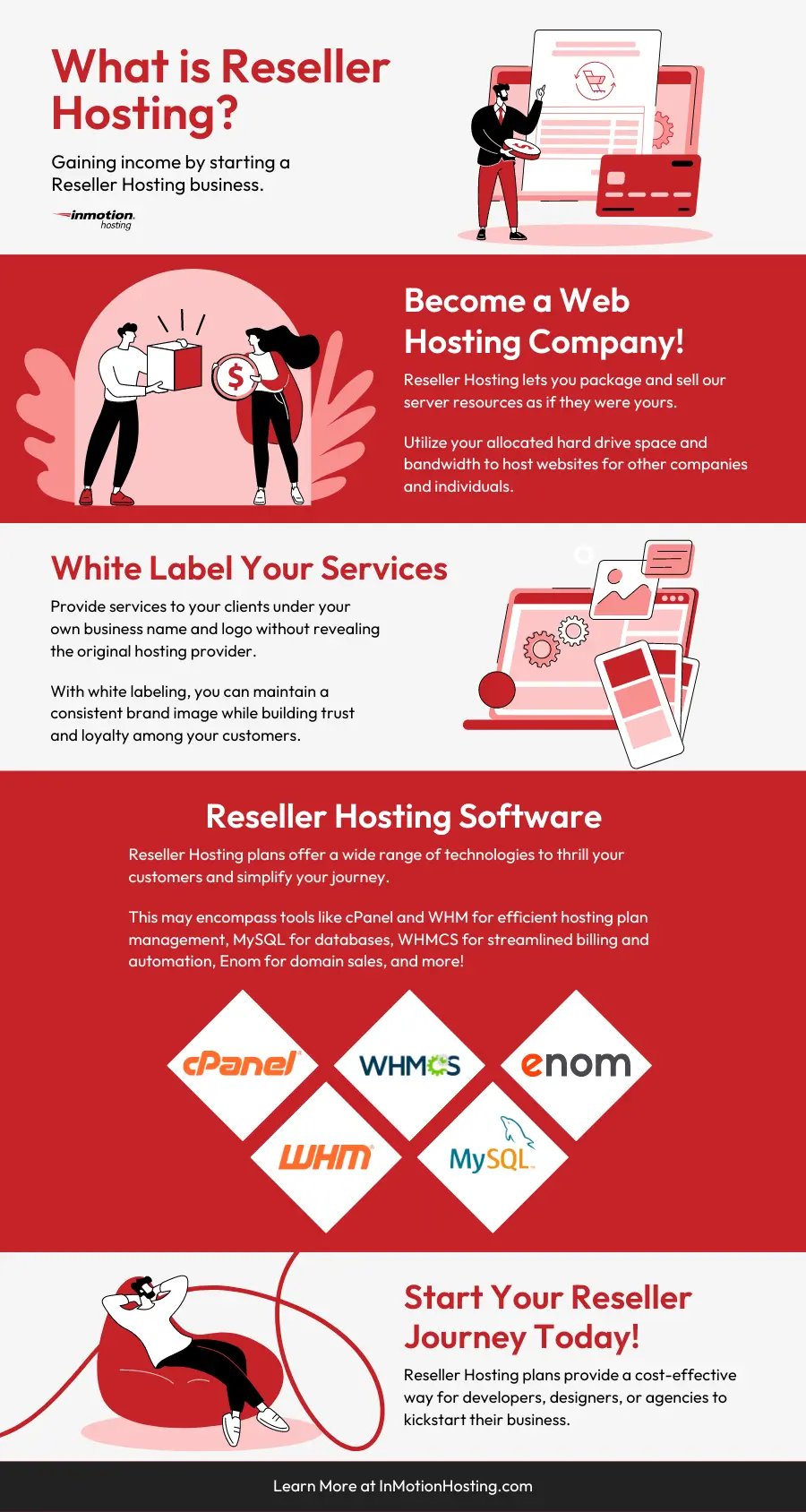
Reseller hosting allows individuals to start a web hosting business without owning servers. It involves purchasing hosting services wholesale and selling them to clients. This setup makes it easy for entrepreneurs to offer web hosting solutions to their customers.
Business Model
Reseller hosting is a simple business. Buy web space from a big company. Sell smaller parts to others. This is like buying a cake and selling slices. Resellers manage their own customer accounts. They set their own prices. This gives them control.
The reseller hosting company provides the technical support. This is good for the resellers. They don’t need to worry about server problems. Resellers can focus on growing their business. This model is great for small businesses. It is also good for people who want to start a web hosting business.
The target audience includes small companies and individuals. People who want to make money without big investments. This business model suits those who want to start with low risk. It is easy to understand and simple to start.
Web Hosting Infrastructure
Data centers are big buildings. They hold many computers. These computers are called servers. They store websites. Websites need servers to be seen online. Data centers have strong internet connections. They also have power backup. This keeps websites running. Even during a power cut. Cooling systems keep servers cool. Hot servers can break. Workers take care of these machines. They fix problems fast.
Servers need good care. They must be updated. This keeps them safe from hackers. Software checks servers for problems. If a problem is found, it gets fixed quickly. Experts manage these tasks. They make sure websites run smoothly. Servers can also be shared. Many websites share one server. This is called shared hosting. It’s cheaper but slower. Some businesses need dedicated servers. These are faster and only for them.
Domain Name System (dns)
DNS is like an address book. It translates domain names into IP addresses. This helps computers find websites easily. Without DNS, users would need to remember long strings of numbers. That would be hard!
DNS plays a key role in web hosting. It ensures websites are accessible. Fast and reliable DNS is crucial. Slow DNS can make websites load slowly. This affects user experience. Good DNS management is important.
DNS management involves keeping records accurate. It includes adding, deleting, or updating records. These records guide traffic to the correct server. Managing DNS requires regular checks. Mistakes can lead to website downtime. That’s bad for business!
Many web hosts offer DNS management tools. These tools simplify the process. They make it easy for users. Simple interfaces help non-experts manage DNS. This ensures websites run smoothly.
Security Measures
Web hosting faces threats like hacking, malware, and DDoS attacks. Hackers break into servers. They steal valuable data. Malware spreads viruses. It can crash websites. DDoS attacks flood servers. This makes sites slow or unreachable. These threats harm businesses. They can hurt customer trust. Protecting data is crucial.
Strong firewalls are vital. They block unauthorized access. Regular software updates fix vulnerabilities. Use encryption to secure information. Backups help recover lost data. Monitor networks for unusual activity. Educate staff on security best practices. Strong passwords prevent unauthorized access. Security measures keep data safe.
Pricing Models
Web hosting has different pricing models. These models impact the cost. Shared hosting is usually the cheapest option. It shares resources with other websites. Dedicated hosting offers more control. It is often more expensive. VPS hosting is between shared and dedicated hosting. It provides more flexibility. Cloud hosting charges based on usage. This can be unpredictable. Understanding these models helps choose the best fit.
Several factors affect web hosting costs. Storage space is crucial. More space means higher fees. Bandwidth influences cost too. High bandwidth allows more traffic. Security features add to the price. SSL certificates ensure safety. Customer support is a key factor. Good support can cost extra. Server location can change the fees. Nearby servers might charge less. Knowing these factors helps manage expenses.
| Plan Type | Features |
|---|---|
| Basic | Limited resources, low cost, shared hosting |
| Standard | More resources, better support, VPS hosting |
| Premium | High resources, full control, dedicated hosting |
Choosing A Web Host
Picking a web host is important. Reliability should be your first check. A good host keeps your site running. Downtime means lost visitors. So, a host with a high uptime score is best. Customer support is also crucial. Problems can happen anytime. A host with 24/7 support is helpful. Security is another key point. You want your site to be safe. Look for hosts with SSL certificates and backups.
Speed is essential for your website. A fast site keeps visitors happy. Check the server speed of the host. Bandwidth is also vital. It shows how much data your site can handle. More bandwidth means more visitors at once. Storage is the space for your files. A host with enough storage is important for growth.

Credit: www.beaconinside.com
Credit: www.inmotionhosting.com
Frequently Asked Questions
How Does The Web Hosting Work?
Web hosting stores website files on servers, making them accessible online. It requires domain registration and hosting provider choice. Providers manage server maintenance, ensuring uptime and speed. Users access websites via browsers. Hosting plans vary in features, supporting different website needs.
Reliable hosting boosts site performance and security.
How To Start A Web Hosting Business?
Begin with market research to identify your niche. Choose reliable hosting infrastructure and software. Set competitive pricing strategies. Develop a user-friendly website and strong customer support. Promote your services through SEO and digital marketing.
Is Web Hosting Profitable?
Web hosting can be profitable with the right strategy. Focus on quality service, competitive pricing, and efficient customer support. Scalability and effective marketing play crucial roles. Understanding market demands and trends enhances profitability. Continuous improvement and adaptation to technological advancements are key.
How Much Do I Pay To Host A Website?
Website hosting costs vary from $3 to $500 monthly, depending on type and features. Shared hosting is cheaper, while dedicated servers are pricier. Consider factors like bandwidth, storage, and support. Compare hosting providers to find the best value for your needs.
Always check for hidden fees before purchasing.
Conclusion
Understanding web hosting is crucial for online success. It supports websites, making them accessible worldwide. Servers store website data securely. Bandwidth and storage affect performance. Different hosting types offer varied benefits. Shared hosting is budget-friendly. Dedicated hosting provides more control.
VPS offers balance between the two. Choosing the right host matters. Reliable hosts ensure uptime. Good support solves issues fast. Security keeps data safe. Consider costs, features, and support. Web hosting lays the foundation for online presence. Make informed choices.
Enhance your website’s reliability and speed. Explore options, ask questions, and get started confidently.


