

Are you looking to suspend your domain shared hosting but don’t know where to start? Whether you want to pause your service temporarily or manage your account more efficiently, suspending shared hosting can be a smart move.
In this guide, you’ll discover simple, clear steps to help you take control of your hosting without any hassle. Keep reading, and you’ll learn exactly what to do to protect your website and save money when you need a break from hosting.
Credit: forum.infinityfree.com
Reasons To Suspend Shared Hosting
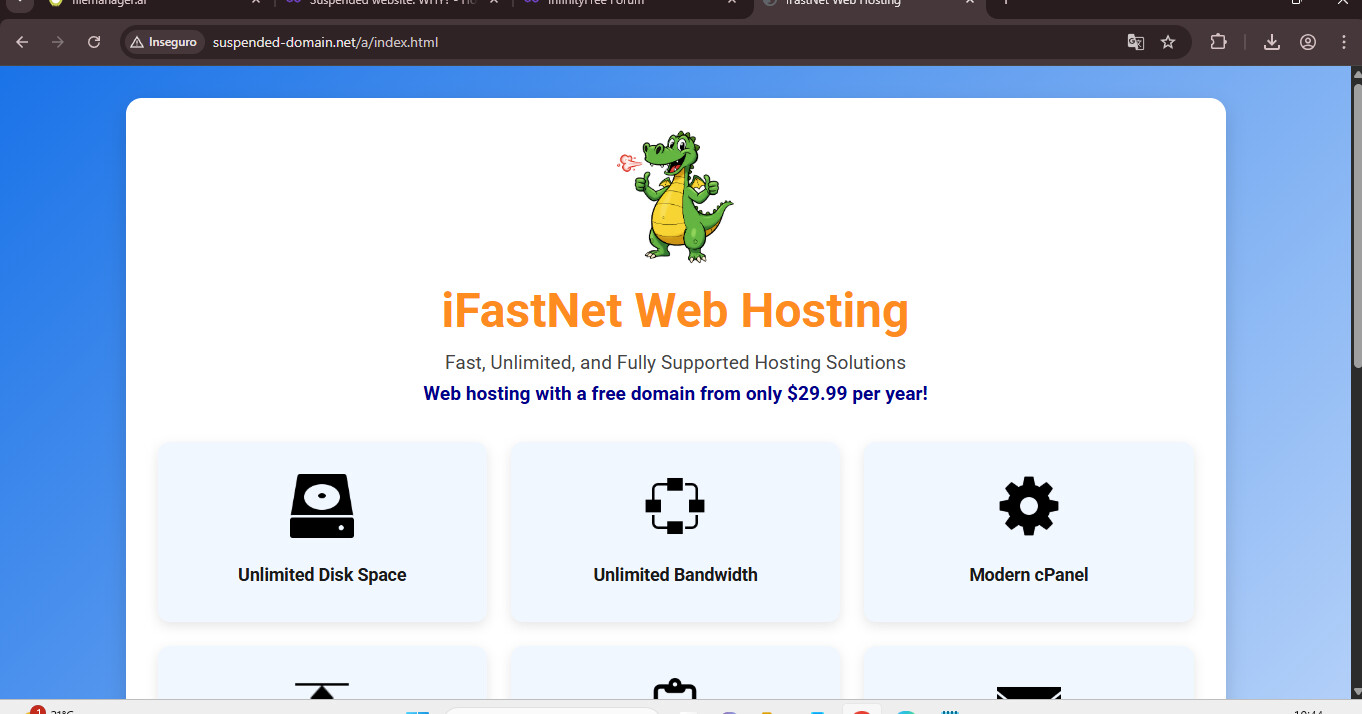
Suspending shared hosting is sometimes necessary to keep a website safe and running smoothly. Hosting providers suspend accounts for specific reasons. This helps prevent damage to the server and other users.
Understanding why suspension happens helps website owners avoid problems. It also guides them on what to fix before their hosting is active again.
Common Causes For Suspension
One common cause is exceeding resource limits like CPU or bandwidth. Shared hosting has fixed limits to protect all users on the server.
Another cause is using the hosting account for illegal activities. This includes sending spam or hosting harmful content.
Non-payment or late payment of hosting fees often leads to suspension. Hosting companies need timely payments to keep services running.
Some accounts get suspended due to security risks. Malware infections or hacked sites can threaten the entire server.
Impact On Website And Services
When hosting is suspended, the website becomes unavailable to visitors. This causes loss of traffic and potential customers.
Email services linked to the domain also stop working during suspension. Users cannot send or receive emails.
Suspension blocks access to files and databases needed for the website. This stops any updates or changes until the issue is fixed.
Restoring suspended hosting may take time. Quick action is important to reduce downtime and damage.
Credit: docs.plesk.com
Prerequisites Before Suspension
Suspending domain shared hosting requires careful preparation. Taking steps before suspension helps avoid data loss and confusion. Follow these simple but important prerequisites to ensure a smooth process.
Backup Your Data
Create a full backup of all website files and databases. Backups protect your data from accidental loss. Use your hosting control panel or FTP to download files. Export databases via tools like phpMyAdmin. Store backups in a safe place outside the server.
Notify Users And Stakeholders
Inform all users and stakeholders about the upcoming suspension. Send clear messages explaining when and why the hosting will be suspended. This helps them prepare and avoid surprises. Provide contact details for questions or support during the suspension period.
Accessing Hosting Control Panel
Accessing the hosting control panel is the first step to suspend a domain shared hosting account. This panel allows you to manage all hosting features. It is a secure area where you control your domain settings, files, and services.
Understanding how to enter and navigate the control panel saves time. It helps to quickly find the suspension option or other management tools. Let’s explore the key steps to access your hosting control panel.
Login Credentials
Start by gathering your login credentials. These include your username and password. They are usually sent to your email after purchasing hosting. Keep them safe and private. Without these details, you cannot access the control panel.
Visit your hosting provider’s website and look for the login page. Enter your username and password in the right fields. Double-check for typing errors. Click the login button to proceed. If you forget your password, use the reset option.
Navigating To Account Settings
After logging in, find the account settings section. This area holds options to manage your hosting account. Look for menu items named “Account,” “Settings,” or “Manage.”
Once inside account settings, locate the domain or hosting suspension option. It may be under a submenu like “Services” or “Hosting.” Follow the prompts to suspend your domain shared hosting. This process stops the hosting service without deleting your data.
Steps To Suspend Domain Shared Hosting
Suspending domain shared hosting can help manage inactive or problematic accounts. The process is straightforward and quick. Follow these steps carefully to suspend your domain hosting safely.
Locate Suspension Options
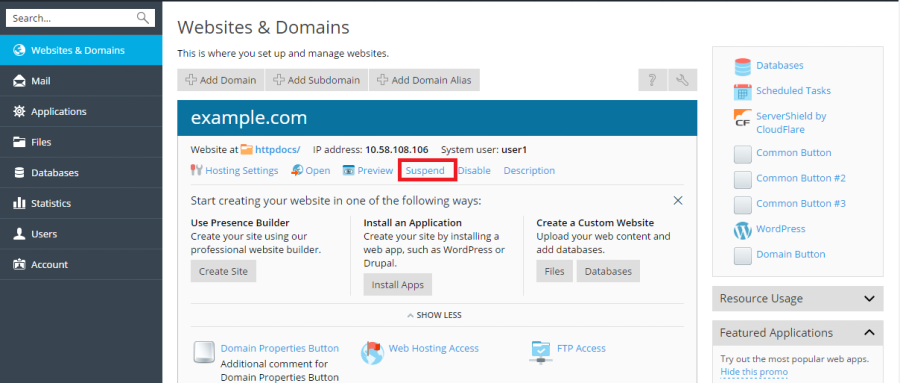
First, log in to your hosting control panel. Look for the section labeled “Account Management” or “Hosting Settings.” Find the option that says “Suspend Account” or “Suspend Domain.” This area controls the status of your hosting services. Click to open the suspension settings. You may see a list of your active domains here.
Confirm Suspension Action
After selecting the domain to suspend, the system will ask for confirmation. Read any warnings or notes on the screen. Confirm that you want to suspend the hosting service for the chosen domain. This step helps avoid accidental suspensions. Once confirmed, the hosting service will be paused. The domain will no longer serve websites or email until reactivated.
Alternatives To Suspension
Suspending a domain shared hosting account is not always the best choice. It can disrupt your website and frustrate visitors. Alternatives to suspension let you control access without fully stopping the service. These options keep your site safe while giving you time to fix issues or update content.
Temporary Downtime Settings
Temporary downtime settings allow you to show a maintenance page. This page tells visitors the site is offline for a short time. It avoids a complete suspension and keeps your hosting active. You can customize this page with simple messages or estimated return times. This method helps maintain your site’s reputation and visitor trust.
Pausing Account Features
Pausing account features limits certain functions without disabling the whole account. You can stop email services or block new user registrations. This option helps reduce resource usage or prevent abuse. It is less harsh than suspension and easier to reverse. Pausing features keeps essential parts of your site running smoothly.
After Suspension Actions
After suspending a domain on shared hosting, some key actions must follow. These steps ensure the suspension works as intended. They help maintain order and keep users informed. Handling these tasks properly supports smooth hosting management.
Check Suspension Status
Verify if the domain suspension is active. Use your hosting control panel to confirm the status. Ensure no access is possible to the suspended domain. This step prevents visitors or users from using the site. Regular checks avoid accidental access and maintain security.
Communicate Suspension To Users
Notify the domain owner or website users about the suspension. Clear messages explain why the suspension happened. Provide instructions for resolving the issue or restoring service. Proper communication reduces confusion and customer frustration. Keep messages simple and direct for better understanding.
Troubleshooting Suspension Issues
Suspending a domain on shared hosting can sometimes cause unexpected issues. Troubleshooting these problems quickly helps keep your website running smoothly. Understanding common suspension issues and their solutions saves time and reduces stress.
Some problems happen often and have easy fixes. Knowing when to ask for help is also important. This guide explains how to handle suspension issues clearly.
Common Problems And Fixes
One common problem is the website showing a suspension notice but still charging fees. This happens if the suspension was not processed correctly. Clear your browser cache and refresh the page. Sometimes, the issue resolves itself after a few minutes.
Another issue is email not working after suspension. The hosting provider may disable email services during suspension. Check your hosting control panel to confirm email status. Reactivate email services once the suspension lifts.
Some users face login problems after suspending a domain. This occurs when account permissions change. Reset your password or clear cookies to fix login errors. Make sure your account is active and not fully terminated.
When To Contact Support
Contact support if suspension errors persist after basic fixes. Also, ask for help if the suspension affects billing or data access. Support teams can check backend settings and correct mistakes.
Reach out if you do not understand the suspension reason. Support can explain policies and guide you on next steps. Early communication prevents further complications with your hosting.

Credit: community.cloudflare.com
Frequently Asked Questions
What Does Suspending Domain Shared Hosting Mean?
Suspending domain shared hosting temporarily disables your website and email services. It prevents access without deleting your data. This option is useful for maintenance or billing issues. Suspension helps avoid permanent loss while keeping your account intact.
How Can I Suspend My Shared Hosting Account?
To suspend shared hosting, log in to your hosting control panel. Locate the suspension or account status section. Follow prompts to suspend your domain or hosting service. Confirm the action to complete suspension. Each host may have specific steps.
Will Suspending Hosting Affect My Website Data?
No, suspending hosting does not delete your website data. It only restricts public access to your site and services. Your files and databases remain safe until you reactivate the account. Always back up data before suspension as a precaution.
Can I Still Access Files During Suspension?
Typically, you cannot access files via the website during suspension. However, some hosts allow FTP or control panel access. Check your hosting provider’s policies. Suspension primarily blocks public access, not backend file management.
Conclusion
Suspending a domain shared hosting is simple with clear steps. You control when to pause or stop the hosting service. This helps manage your website and resources better. Always back up important data before suspending. Knowing how to suspend keeps your hosting organized.
It saves you from unwanted charges or issues. Follow the steps carefully to avoid mistakes. Now, you can handle your hosting with confidence.


