
Are you looking to dive into the lucrative world of web hosting? You’re in the right place.
Starting a web hosting business can be a rewarding venture, promising both financial growth and professional satisfaction. But how do you turn this exciting idea into a reality? That’s exactly what you’ll discover. Imagine having the power to help businesses, bloggers, and creators showcase their work online while generating income for yourself.
By unlocking the secrets to establishing your own web hosting service, you not only gain the independence to craft your own business path but also play a crucial role in the digital ecosystem. Don’t worry if you feel overwhelmed by where to begin. We’ve got you covered. This guide will walk you through each step, demystifying the process and ensuring you have the tools and knowledge necessary to succeed. Get ready to transform your aspirations into action, and learn how to lay the groundwork for a successful web hosting business. Keep reading to find out how you can make your mark in the online world.
Market Research
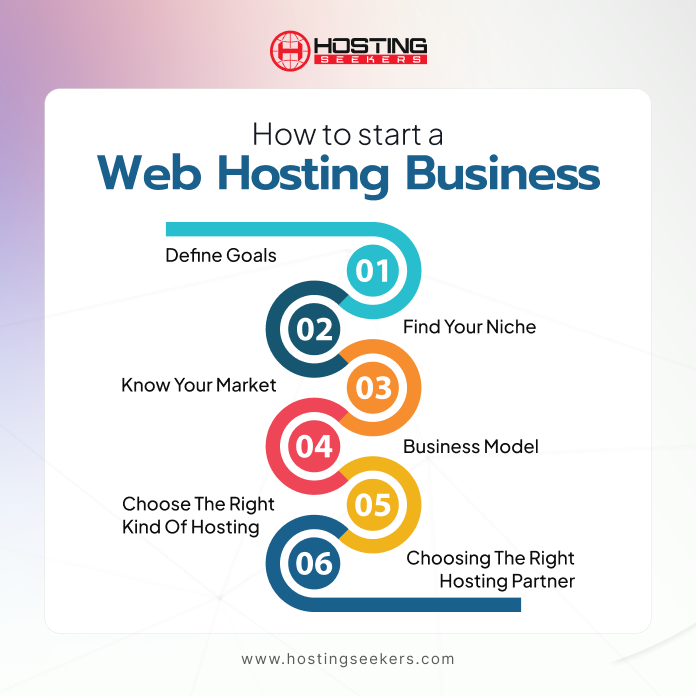
Know who needs your web hosting services. Are they businesses, bloggers, or developers? Make a list. Write down their needs. Focus on their challenges. Your services should help them.
Look at other web hosting companies. Check what they offer. See their prices. Find out their strengths. Notice their weaknesses too. Think how you can be different. Offer better solutions or unique features.
Stay updated with the latest trends. Cloud hosting is popular now. People like secure and fast hosting. Green hosting is also trending. Adapt your services to these trends. This will keep your business relevant.
Business Planning
Set clear goals for your web hosting business. Decide what you want to achieve. Some goals might be growing a client base or offering unique services. Goals help you stay on track. They give you direction and purpose.
Choose a business model that fits your goals. You could offer shared hosting or dedicated servers. Each model has its own advantages and challenges. Ensure your model matches your skills and resources.
Create a pricing strategy that attracts clients. Check prices of competitors to stay competitive. Offer affordable packages without losing quality. Pricing should cover your costs and bring profit. Adjust prices as your business grows.
Legal Considerations
Picking the right business structure is very important. It affects taxes and responsibilities. Many choose between sole proprietorship or LLC. A sole proprietorship is simple. An LLC offers more protection. Think about what fits best for you.
Registration makes your business official. Get a business name and file it. This might be with your local government. After this, you can open a bank account. It helps to keep money organized.
Web hosting has rules to follow. These rules keep the internet safe. Know about data protection and privacy laws. Learn about service agreements too. These set clear terms between you and customers. Following these rules avoids problems later.

Credit: verpex.com
Technical Infrastructure
Building a solid technical infrastructure is key in starting a web hosting business. Invest in reliable servers and software. Ensure high-speed internet connectivity and robust security measures.
Select Hosting Platform
Picking the right hosting platform is key. Choose a platform that is reliable and has good support. Look for platforms that offer easy setup and management. Consider the platform’s performance and security features.
Invest In Quality Hardware
Hardware is the backbone of your hosting business. Invest in high-quality servers and equipment. Ensure your hardware is fast and efficient. Quality hardware reduces downtime and improves customer satisfaction.
Ensure Reliable Software
Software must be reliable and secure. Use software that can handle heavy loads. Regular updates keep software secure and stable. Choose software with good support and documentation.
Service Offerings
Web hosting services come in different types. The most common is shared hosting. This is where many websites use one server. It is affordable and good for small sites. VPS hosting is another type. It gives more control than shared hosting. It is good for growing sites. There is also dedicated hosting. Here, one server is for one site. It is more expensive but very powerful.
Many hosts offer add-on features. These can help your business. Some offer extra storage space. Others give more bandwidth. Security features are also important. They protect your site from hackers. Some hosts provide free backups. This helps to keep your data safe.
Customization is key in hosting. Look for options that let you change settings. This includes control panels like cPanel. They help manage your site easily. Choose hosts that allow software installations. This helps to add new features to your site. Custom email addresses can also be offered.
Marketing Strategies
A strong online presence is key for any business. Begin with a simple, attractive website. This is where people learn about your services. Use clear and bright images. Write simple and direct text. Make sure the website is easy to navigate. A good website builds trust with customers.
Social media is a powerful tool. Create profiles on platforms like Facebook and Instagram. Post regularly to keep people engaged. Share helpful tips about web hosting. Respond quickly to comments and messages. This shows customers you care. It also helps build a community.
Content marketing helps attract more visitors. Write blogs about web hosting. Use simple words and real examples. Share these blogs on your website and social media. This gives value to readers and shows your expertise. Good content can turn visitors into customers.
Customer Support
Implement Support Systems like chat, email, and phone. Customers need quick help. Many choices make them happy. Use software to manage requests. It keeps things organized.
Provide 24/7 Assistance to help at any time. People work day and night. Not everyone needs help in the morning. Some need it late at night. Be ready.
Train Support Staff well. They should know answers. Teach them about hosting. Make sure they are friendly. Help them learn new things. Happy staff help customers better.
Financial Management
Creating a budget is vital for any business. Begin by listing essential expenses. Include hosting software, server costs, and marketing. Predict your income based on market trends. Adjust your budget if the market changes. Regular updates keep your financial plan accurate.
Keep track of money coming in and going out. Monitor your invoices and payments closely. Late payments can affect your cash flow. Use software to help manage transactions. Plan for unexpected expenses. This ensures you have enough funds available.
Understanding profits helps your business grow. Calculate your profits regularly. Subtract total expenses from income. Check if your business is making money. If not, find ways to cut costs. Increase income by offering new services. Profit tracking keeps your business healthy.
Scalability And Growth
Expanding your service range can attract more customers. Offer new types of hosting. Try shared, VPS, and dedicated hosting. Each type serves different needs. Customers like options.
Enhancing infrastructure is key. Upgrade servers and networks. Fast servers keep customers happy. Reliable networks avoid downtime. Customers trust stable services.
Pursuing partnership opportunities can boost growth. Partner with tech firms or software companies. Offer bundled packages. These can enhance value for customers. Partners can open new markets for your business.

Credit: www.isitwp.com
Credit: www.hostingseekers.com
Frequently Asked Questions
How Do I Start A Web Hosting Company?
Begin by researching the industry and identifying your target audience. Select reliable server hardware and software. Set up secure data centers. Create a business plan and marketing strategy. Offer competitive pricing and excellent customer support to attract clients.
Is Web Hosting Profitable?
Web hosting can be profitable with efficient management, competitive pricing, and quality service. Success depends on attracting and retaining customers while minimizing operational costs. Offering scalable solutions and excellent customer support enhances profitability. Consistent marketing efforts and technological upgrades also contribute to sustained growth and profits in the web hosting industry.
What Are The 3 Types Of Web Hosting?
The three types of web hosting are shared hosting, VPS hosting, and dedicated hosting. Shared hosting involves sharing server resources. VPS hosting provides a virtual private server. Dedicated hosting offers an entire server for one user. Each type varies in control, performance, and cost.
Choose based on your needs.
How Do I Get Started With Web Hosting?
Begin by researching web hosting providers. Choose a plan that suits your needs. Register a domain name. Set up your website using a CMS like WordPress. Ensure your website is optimized for speed and security. Regularly update and maintain your site for optimal performance.
Conclusion
Starting a web hosting business is an exciting journey. Focus on understanding your niche and audience. Choose reliable technology and software. Build a strong marketing plan. Customer support is key; prioritize it. Keep learning and adapting to industry changes. Stay competitive and offer value.
Success comes with patience and dedication. Remember, every big business started small. Stay committed to your goals. Network and learn from experienced professionals. Your web hosting business can thrive with the right strategy. Embrace challenges as opportunities to grow. Keep your vision clear and your execution sharp.


