
Are you dreaming of launching a profitable web hosting business? You’re not alone.
Many are drawn to this lucrative field, but knowing where to start can be overwhelming. Imagine having your own web hosting company, where you set the rules and reap the rewards. Exciting, right? But the question remains: how do you turn that dream into reality?
In this guide, you will discover the essential steps to start your own web hosting business, even if you’re a complete beginner. This isn’t just about technical skills; it’s about understanding the market and delivering what your future customers truly need. You will learn how to identify your niche, choose the right technology, and craft a business plan that sets you apart from the competition. Ready to dive in and unlock the secrets to success in the web hosting industry? Keep reading, because this could be the game-changer you’ve been looking for.

Credit: verpex.com
Market Research
Find out who needs web hosting. Small businesses often need it. Bloggers and online stores too. Know their needs and wants. Ask questions. What do they look for in hosting? Fast speed? Good support? Easy setup? Understanding these helps you serve them better.
Look at other hosting companies. See what they offer. Check their prices and features. Read reviews about them. What do people like? What don’t they like? Use this info to offer something better. Be different from them. Stand out in a good way.
Hosting trends change over time. New technologies come up often. Cloud hosting is popular now. So is security. People care about privacy too. Stay updated with these trends. Adapt your services to match the latest needs. This helps you stay ahead.
Business Planning
Setting clear goals is important. Think about what you want to achieve. Do you want many clients or just a few? Do you want to focus on small businesses or big companies? Clear goals guide your business decisions. They help you stay focused. Write down your goals. Review them often. This keeps you on track.
Choose a business model that fits your goals. Decide if you will offer shared hosting, VPS, or dedicated servers. Each has its own benefits and challenges. Consider the costs and potential profits. A strong model helps attract customers. It also guides your growth and development. Keep it simple and clear.
Financial planning is key to success. List your startup costs. Include server costs, software, and marketing. Calculate your monthly expenses. Predict your income based on your pricing and customer numbers. A good plan helps you manage money wisely. Always save some money for emergencies. This keeps your business stable.
Legal Requirements
Every business needs a registered name. This makes it legal. You also need a business license. It’s a permit from the government. Check with your city or state. They have different rules.
Follow all internet laws. This keeps your business safe. Always use privacy policies. Tell users how you use their data. Stay updated with new laws. This prevents legal issues.
Get business insurance. It protects against risks. Think about liability insurance. It covers accidents. Consider data breach insurance. It helps if data is stolen. Insurance gives peace of mind.
Choosing Hosting Infrastructure
Picking the right server type is crucial. Shared servers are cost-effective but may slow down. Virtual Private Servers (VPS) offer more control and better performance. Dedicated servers give complete control but cost more. Cloud servers are flexible and can grow as needed. Each type has its own benefits.
A data center is where your servers live. Choose a location close to your users for fast access. Look for centers with strong security and reliable power. The center should have a good internet connection. Backup systems are important too. Consider centers with green energy options.
Scalability means growing your resources as your business grows. Look for hosting that can expand easily. This might mean adding more storage or bandwidth. Cloud hosting is often good for this. Make sure you can upgrade without downtime. Plan for growth from day one.
Technology Stack
Control panels help manage your web hosting service easily. They provide a user-friendly interface for tasks. These tasks include creating email accounts and managing domains. Popular options include cPanel and Plesk. Each has different features. Choose the one that fits your needs best.
Security keeps your hosting service safe. Use firewalls to block bad traffic. SSL certificates protect data. Regular updates help fix bugs. Strong security builds trust with users.
Backups save your data in case of trouble. Offer daily backups to keep data safe. Store backups in a different location. This protects data from loss. Easy restore options are important. They make recovery fast and simple.
Building The Brand
A strong logo is important. It shows who you are. Choose colors that fit your brand. Keep the design simple. Make it easy to remember. Your identity should be clear. People should know your brand at a glance.
Your website is your home online. It should be easy to use. Every page should load fast. Add clear information. Make sure your contact details are visible. Use bright colors. Make sure it looks good on phones and computers.
Social media helps you connect with people. Share updates often. Use pictures and videos. Answer questions quickly. Be friendly and helpful. Show your brand’s personality. Join groups that fit your business. This builds trust and interest.
Pricing Strategy
Starting a web hosting business involves various costs. These include server fees, software licenses, and support expenses. It’s crucial to know your fixed and variable costs. This helps in setting the right prices. Keep a list of all your expenses. This way, you can plan better.
Check prices of other hosting companies. This helps you set competitive prices. Offer something unique to stand out. Maybe better customer service or extra features. Pricing should be attractive but also cover costs. Balance is key.
Offer special deals to attract new customers. Discounts can be a good start. Try free trials or bundled services. These offers should be time-limited. It encourages quick sign-ups. Promotions can boost your customer base.

Credit: diggitymarketing.com
Marketing And Sales
Starting a web hosting business involves selecting reliable servers and creating user-friendly packages. Effective marketing and sales strategies help attract customers and build a strong online presence. Offering excellent customer service ensures client retention and positive word-of-mouth referrals.
Digital Marketing Techniques
Social media can spread the word fast. Facebook and Twitter are great for sharing. Email marketing keeps customers updated. Use Google Ads for more reach. SEO helps people find your site. Content marketing builds trust.
Partnerships And Collaborations
Working with other businesses can help. Partner with tech firms for more exposure. Collaborate with web designers. Offer them special deals. Networking events are good places to meet partners. Joint promotions can boost both businesses.
Customer Acquisition Strategies
Offer discounts for new customers. Use referral programs to get more users. Trial periods let users test your service. Customer reviews help build trust. User-friendly websites attract more visitors. Good support keeps customers happy.
Customer Support
Starting a web hosting business requires strong customer support. Providing timely help builds trust with clients. Offering clear solutions can ensure satisfaction and encourage positive feedback, crucial for growth.
Support Channels
Providing multiple support channels is essential for a web hosting business. Offer support through email, live chat, and phone. Each customer prefers a different method. Make sure your team is available 24/7. Quick response time makes customers happy. Use a ticketing system to manage requests. This helps track and solve issues fast.
Service Level Agreements
Service Level Agreements, or SLAs, set clear expectations. They define response and resolution times. SLAs help build trust with clients. Clearly outline your support commitments. Make sure your team follows these guidelines. Customers need to know you are reliable. Offer compensation if SLAs are not met. This shows accountability and care.
Feedback And Improvement
Customer feedback is crucial for growth. Ask clients for their opinions regularly. Use surveys and feedback forms. Listen to their needs and make changes. Continuous improvement is important. Happy customers mean a successful business. Encourage honest feedback. It helps identify areas for improvement.
Growth Strategies
Offering more services can attract new customers. Consider adding cloud hosting or dedicated servers. Improve customer support for better satisfaction. Provide 24/7 help and live chat options.
Entering international markets can grow your business. Understand local needs and preferences. Offer multiple language support for ease. Adjust pricing strategies based on market demands. Build partnerships with local companies for better reach.
Staying updated with technology is crucial. Adopt new tools and software regularly. Encourage innovation to stand out. Experiment with AI and automation for efficiency. Keep servers fast and secure for user trust.
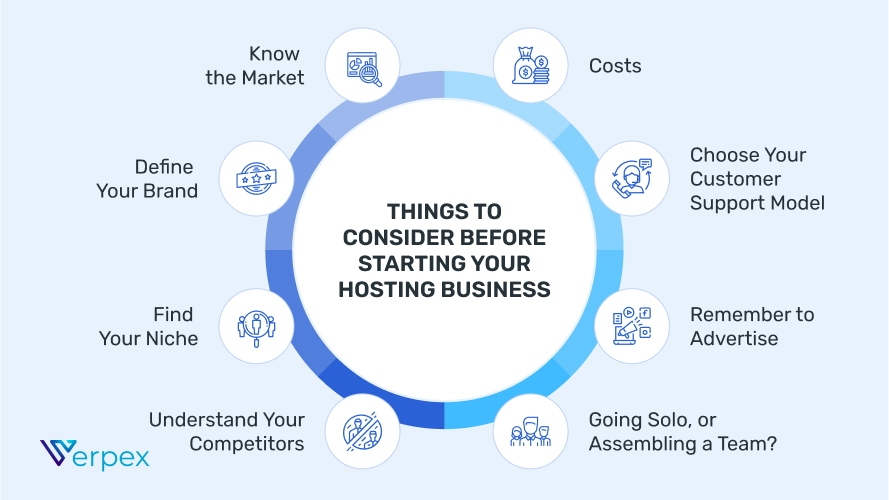
Credit: verpex.com
Frequently Asked Questions
How Do You Start Your Own Web Hosting Company?
Choose a reliable server provider and select your niche. Buy necessary hardware and software licenses. Establish a clear pricing model and offer excellent customer support. Market your services effectively through SEO and social media. Ensure your infrastructure is secure and scalable for growth.
Is Web Hosting Profitable?
Web hosting can be profitable with proper management and marketing. Demand for online presence is increasing. Offering quality services and competitive pricing attracts clients. Scalability and diverse hosting plans enhance profitability. Adapting to market trends and maintaining strong customer support boosts success.
Consistent growth requires strategic planning and innovation.
How Do I Get Started With Web Hosting?
Choose a reliable web hosting provider based on your needs. Register a domain name. Select a hosting plan. Set up your website using a builder or CMS like WordPress. Configure settings and security features. Start creating and publishing content.
Can I Be My Own Hosting Provider?
Yes, you can be your own hosting provider. Set up a dedicated server, manage hardware, software, and security. Ensure reliable internet connectivity, technical expertise, and ongoing maintenance for optimal performance. It’s cost-effective but requires time and effort for management and troubleshooting.
Conclusion
Starting your own web hosting business can be rewarding. With the right tools, success is within reach. Focus on customer satisfaction. Keep your services reliable and affordable. Build a strong online presence. Connect with your audience through social media. Offer exceptional support.
Stay updated with market trends. Adapt to changes and new technologies. Remember, patience and hard work are key. Your dedication will lead to growth. Aim for excellence in service. Make informed decisions and learn continuously. Each step takes you closer to your goals.
Start today and create a thriving business.


