
Are you looking to dive into the world of web hosting and create your own business? Imagine having the freedom to manage websites, provide essential services, and watch your profits grow.
Starting a web hosting service business can be your ticket to achieving financial independence and fulfilling your entrepreneurial dreams. You don’t need to be a tech genius or have a massive budget to get started. With the right guidance, you can carve out your niche in this thriving industry and build a successful venture.
You’ll discover the key steps you need to take to launch your web hosting service business, all while avoiding common pitfalls and maximizing your potential. Get ready to turn your aspirations into reality!

Credit: whmcsglobalservices.com
Market Research
Look for people who need websites. Small businesses often need web hosting. Bloggers need it too. Online stores can’t work without hosting. Try to find what these groups want. They may need fast and secure hosting. Affordable prices attract them. Reliable service is important too.
Check other web hosting services. Big companies offer many features. Smaller firms may have lower costs. Look at their customer reviews. What do people like? What do they dislike? Find ways to be better. Unique features can help you stand out. Good customer support makes a difference.
Find how many people need hosting. Search online for trends. Are more people starting websites? Do they need hosting? Ask experts what they think. A growing demand means a good chance. Stable demand helps your business last long. Research helps you plan well.
Business Plan Development
Set clear goals for your web hosting business. Think about what you want to achieve. Decide if you want to serve small or big clients. Write down your goals. Make sure they are realistic and achievable. It’s important to know where you want to go.
Start with budget planning. List all the costs involved. Include server costs, software, and staff salaries. Don’t forget marketing expenses. Allocate funds wisely. Save some money for unexpected expenses. Budget carefully to avoid overspending.
Create a pricing strategy. Look at competitors and their prices. Offer competitive rates. Make sure your prices cover costs. Think about discounts for long-term clients. Price services fairly to attract more customers.
Legal Considerations
Picking the right business structure is vital. Choices include sole proprietorship, partnership, and corporation. Each type has different benefits and risks. A sole proprietorship is simple but offers no liability protection. Partnerships share responsibilities and profits. Corporations protect personal assets but are complex. It’s wise to consult a legal expert for advice.
A unique business name is important. It should reflect your services and be easy to remember. Check if the name is available. This can be done through a business registry. Register your name to protect it legally. This step prevents others from using your business identity.
Knowing the rules is important. Web hosting is a regulated industry. Learn about data protection laws and privacy regulations. Follow these to avoid trouble. Different countries have different laws. Make sure your business complies with local regulations. Staying informed is essential for success.
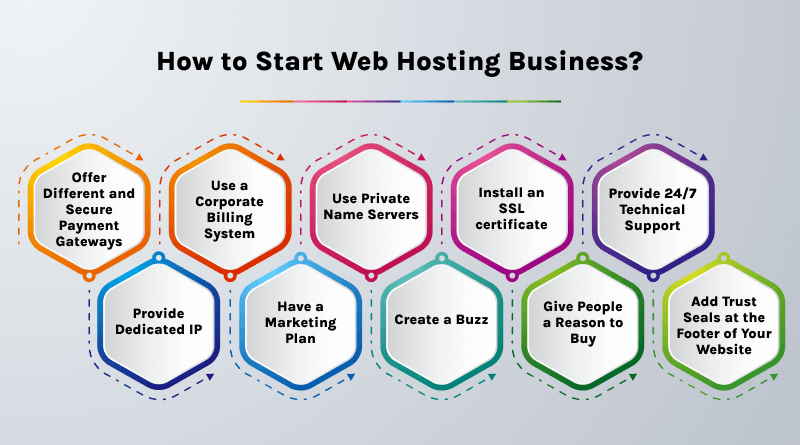
Credit: www.milesweb.in
Infrastructure Setup
Choosing the right hosting servers is very important. Make sure they are fast. They should also handle many users at once. Look for servers with good reviews. This helps ensure quality. Cost is also a factor. Find servers that fit your budget.
Protecting data is crucial. Use firewalls to block threats. Install antivirus software for added safety. Keep all software updated. This helps fix any weaknesses. Backup data regularly to avoid loss. Train staff on security best practices.
Data centers need reliable power. Ensure backup generators are ready. Cooling systems should keep servers cool. This prevents overheating. Choose a location with good connectivity. Make sure it’s safe from natural disasters. Organize cables neatly. This helps in easy maintenance.
Service Offerings
Shared hosting is good for small websites. Many sites share one server. This keeps costs low. Easy to start and manage. It’s perfect for blogs and small businesses. Shared hosting offers limited resources. It might slow down if traffic grows. But it’s affordable and easy for beginners. Best choice for those with a tight budget.
Dedicated hosting provides a server for one client. Full control over resources. It’s more secure and reliable. Ideal for large websites with lots of traffic. Dedicated hosting costs more. But it offers better performance. Users can customize their server. They choose software and settings. It’s a good choice for e-commerce sites.
Cloud hosting uses many servers. It’s flexible and scalable. Resources adjust as needed. Good for growing sites. Cloud hosting handles traffic spikes well. It offers high uptime and reliability. Costs depend on usage. It’s great for businesses that need flexibility. Cloud hosting is modern and efficient. A smart choice for many.
Marketing Strategies
Use Google Ads to get more customers. Choose keywords related to web hosting. Create simple ads that show your service. Make sure your ads are easy to read. Also, use Facebook Ads to reach more people. Set a budget that you can afford. Track your ads to see how they are working.
Create a page on Facebook and Instagram. Share posts about web hosting tips. Respond to comments quickly. Ask questions to engage your audience. Share customer reviews to build trust. Use images and videos for more attention. Host contests to get more followers.
Write a blog about web hosting. Share tips and tricks that help people. Keep your posts simple and short. Use SEO to make your blog visible. Include keywords in your titles and headings. Share your blog on social media. Update your content regularly to keep it fresh.
Customer Support
Providing excellent customer support is crucial for starting a web hosting service business. Quick responses and clear communication build trust with clients. Addressing issues efficiently ensures satisfaction and retention.
24/7 Support
Always being there for customers is very important. People need help at any time. Offering 24/7 support shows you care. It makes your service reliable. Customers can get help anytime. This builds trust and keeps them happy.
User-friendly Interfaces
Easy-to-use interfaces help customers find answers fast. Clear menus and simple buttons are key. Users feel confident when they can navigate easily. A friendly interface means less confusion. It makes your service welcoming. Customers appreciate this simplicity.
Feedback Mechanisms
Listening to your customers is vital. Feedback helps you improve your service. Offer simple ways for customers to share their thoughts. Use surveys or comment boxes. Show that you value their opinions. This makes customers feel important. It also helps your business grow.
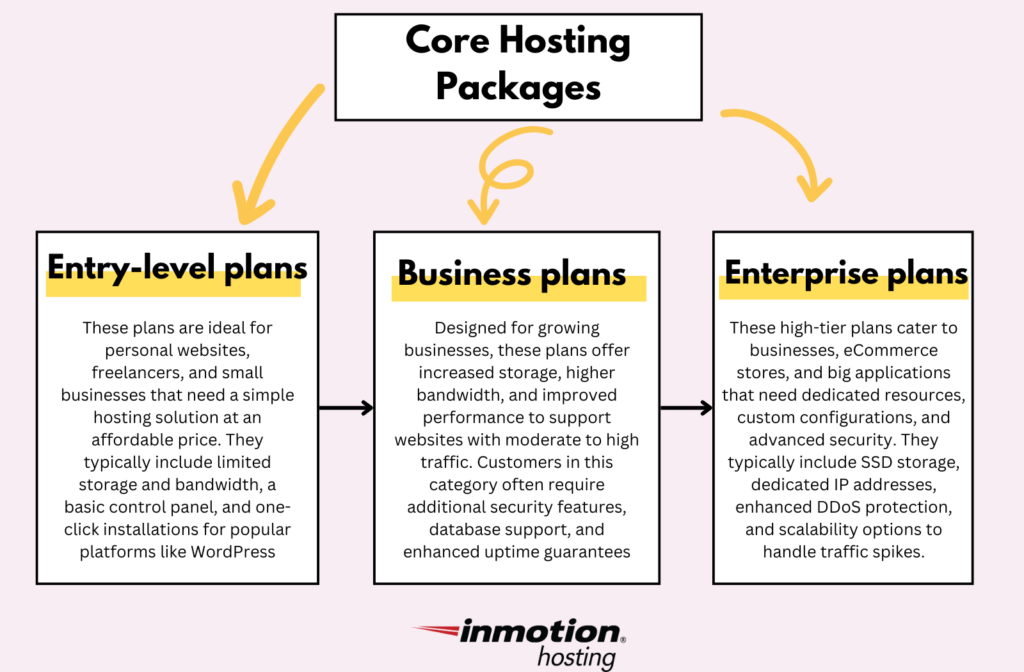
Credit: www.inmotionhosting.com
Scaling The Business
Expanding Services is key to growth. Offer new hosting plans. Add domain registration. Provide website building tools. Consider email hosting. Customers love variety. Keep services updated. Match market trends.
Increasing Infrastructure ensures reliability. Invest in faster servers. Improve security measures. Upgrade network capacity. Use better software solutions. Infrastructure is the backbone. Keep it strong and efficient.
Exploring New Markets opens new opportunities. Look for markets abroad. Understand local needs. Translate content into local languages. Offer region-specific services. Expand your reach. Capture diverse customer bases.
Frequently Asked Questions
How To Start A Web Hosting Service Company?
Begin with market research and identify your target audience. Choose reliable server infrastructure and software. Develop a strong business plan. Acquire necessary licenses and certifications. Launch your website with effective marketing strategies.
Is Web Hosting Profitable?
Web hosting can be profitable with a strong business plan and effective marketing. Competition is high, requiring unique offerings and reliable services. Profitability depends on managing costs, scaling efficiently, and maintaining customer satisfaction. Focus on innovation and customer support to succeed in the hosting market.
How Do I Get Started With Web Hosting?
Choose a reliable hosting provider. Select a hosting plan based on your needs. Register a domain name. Set up your hosting account. Upload your website files. Ensure security with SSL.
How To Sell A Web Hosting Service?
To sell web hosting services, highlight features, competitive pricing, and strong customer support. Use targeted keywords for SEO. Create engaging content, testimonials, and case studies. Offer attractive discounts and affiliate programs. Optimize your website for conversions and engage with potential customers through social media and email marketing.
Conclusion
Starting a web hosting business can be rewarding. Follow the steps carefully. Understand your market and choose the right hosting solutions. Invest in reliable technology and customer service. Build a user-friendly website to attract clients. Stay updated with trends and adapt quickly.
Consistency and dedication are key. Offer competitive pricing and features. Create a strong online presence through marketing. Networking with industry experts can help. Monitor your performance and make improvements. Success takes time, but persistence pays off. Your web hosting business can grow steadily.
Stay focused and keep learning. Your efforts will lead to success.


