
Are you dreaming of creating your own web hosting company but don’t know where to start? You’re not alone.
Many entrepreneurs share this vision, eager to tap into the ever-growing online market. Imagine having your own successful business, where you call the shots and grow a loyal customer base. Sounds exciting, right? In the following article, you’ll discover straightforward steps to make this dream a reality.
We’ll break down the essentials, from choosing the right server infrastructure to building a strong brand. And while the tech world might seem daunting, you’ll find that with the right guidance, it’s entirely within your reach. So, if you’re ready to dive into the world of web hosting and want to ensure your venture stands out, keep reading. You’ll learn not just how to start, but how to thrive in this competitive industry.
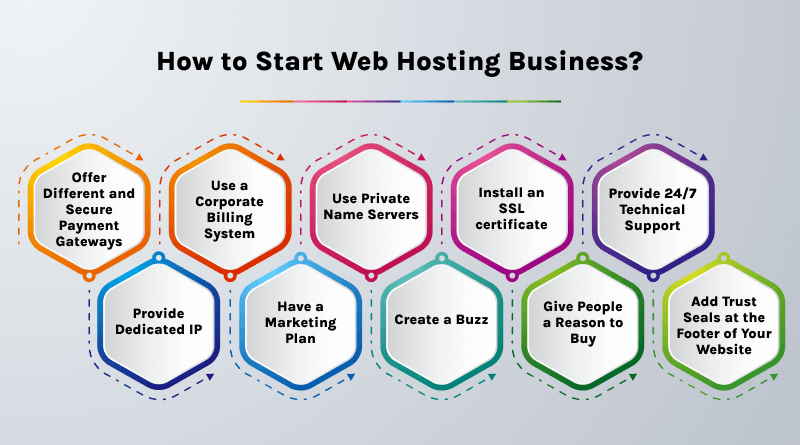
Credit: www.milesweb.in
Market Research
Start by knowing who needs web hosting. Small businesses and bloggers often need it. Look for people building online stores. They also need hosting. Think about their needs. Are they looking for affordable plans? Or do they want high security? Make a list of all these groups. This helps in planning.
Check what others offer. Big companies have many features. Smaller ones might offer personal support. Look at their pricing plans. See what makes them different. Find out why people choose them. This helps in creating a better plan. Understand their weaknesses too. It gives you a chance to improve.
Trends change over time. Know what’s popular now. Cloud hosting is growing. Green hosting is also getting attention. New tech comes in every year. Stay updated on these trends. Read industry blogs and news. Join online communities. They share what’s new and useful. This keeps your business current.
Business Planning
Clear goals help a business grow. Goals provide direction. Think about why you want a web hosting company. Do you want to help small businesses? Or maybe focus on personal blogs? Be specific. Set short-term and long-term goals. Short-term could be gaining your first ten customers. Long-term could be expanding to new regions. Clear goals keep you on track.
A business model explains how you make money. Decide on your services. Will you offer shared hosting, VPS, or dedicated servers? Think about pricing. What will you charge? Consider your target audience. Who are your customers? Pick a model that fits them. A good model helps attract customers. It also boosts profits.
Budgeting is crucial for success. List all your expenses. This includes server costs, software, and salaries. Don’t forget marketing costs. Plan for unexpected expenses too. Keep track of your income. Compare it with your expenses. This helps in making smart decisions. Good budgeting keeps your business healthy. It avoids financial trouble.
Legal Considerations
Picking the right business structure is important. It affects your taxes and liabilities. Options include sole proprietorship, LLC, and corporation. Each has its own rules and benefits. A sole proprietorship is simple but risky. LLC offers protection for personal assets. Corporations need more paperwork but can attract investors.
Registering your company makes it official. Choose a unique business name. Check if it’s available. You can do this online. Once chosen, register with the local government. You may need to pay a fee. This process varies by state or country. Make sure to get a business license if required.
Understand the rules that apply to your business. These include data protection laws and privacy policies. Follow these to avoid penalties. You may need to keep customer data safe. Some places have strict rules on this. Check local laws to stay compliant. It’s important to know what you can and cannot do.
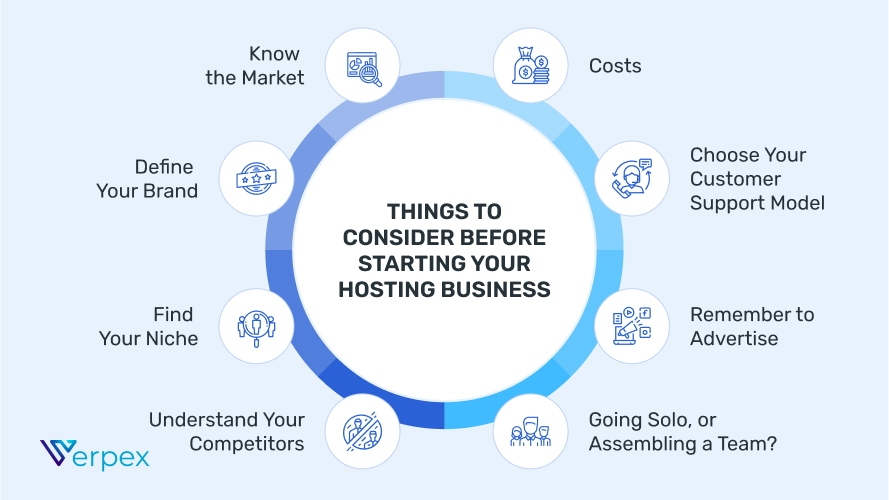
Credit: verpex.com
Technical Setup
Picking the right hosting technology is crucial. You can choose between shared, VPS, or dedicated servers. Each has its own benefits. Shared hosting is cost-effective. VPS offers more control and flexibility. Dedicated servers provide the highest performance and security. Consider your budget and needs before deciding.
Servers are the heart of your hosting company. Ensure they are reliable and fast. Choose servers with high-quality hardware. Configure them properly. Use the latest software and updates. Regular checks keep them running smoothly. Always have backup systems ready.
Security is very important for hosting. Protect your servers with firewalls. Use encryption to keep data safe. Regularly update all security protocols. Monitor your system for unusual activity. Train your team to handle security threats. Your clients need to feel their data is secure.
Service Offerings
Choosing the right hosting plans is crucial. Shared hosting is great for small sites. VPS hosting is a step up with more power. Dedicated servers are for big sites needing full control. Offer cloud hosting for flexibility. Ensure plans fit different needs.
Include SSL certificates for security. Domain registration is another key service. Provide 24/7 customer support for reliability. Backups ensure data safety. Offer site builders for easy setup. These features make your service strong.
Pricing must be competitive. Offer introductory discounts to attract clients. Use tiered pricing for different budgets. Ensure prices match service quality. Consider monthly and yearly plans. Keep pricing simple and clear.

Credit: www.shoutmeloud.com
Branding And Marketing
A strong brand identity is important. Choose a unique name. Make it simple and easy to remember. Design a logo that stands out. Use colors that match your brand. They should be pleasing to the eye. Create a tagline. It should tell what your company does. Keep it short. Your brand identity should make people remember you.
A good marketing strategy is a key. Decide who your customers are. Know where they spend time. Plan how to reach them. Use digital tools. Social media is a good start. Email newsletters can help too. Stay consistent in your messages. Track what works. Change plans if needed. Always aim to improve.
Promote your company both online and offline. Online, use websites and social media. Share interesting content. Offline, use flyers and business cards. Attend events where your customers are. Talk to people about your services. Create partnerships with other businesses. Word of mouth is still powerful. Both methods together can increase your visibility.
Building A Team
Technical staff are the backbone of your hosting company. They fix server issues and keep systems safe. Look for people with strong skills in IT and networks. Experience matters a lot here. Check for certifications and past work. Ensure they can handle pressure and solve problems fast. This team will make sure everything runs smoothly.
A good support team keeps customers happy. They answer questions and fix user problems. Patience and kindness are key traits. Hire people who can speak clearly and listen well. Training is important. Teach them about your company and services. They should help customers feel valued and understood.
Sales and marketing staff bring in new clients. They share your services with the world. Creativity and communication are essential skills. Look for people who understand your market. They should know how to attract customers. Set clear goals and track their progress. This team helps your business grow.
Launching Your Business
Starting a web hosting company needs careful planning. First, research the market. Know your competitors. Understand what customers want. Choose the right services to offer. Decide on pricing. Create a business plan. This plan helps guide your steps. Make sure to secure funding. You might need money to start. Get all legal papers ready. These include licenses and permits.
Once ready, begin the launch. Start by building a website. This is where customers find you. Make it easy to use. Show your services clearly. Advertise your business online. Use social media. Connect with potential customers. Offer promotions to attract them. Ensure your server is reliable. Customers expect good service. Be ready to handle requests. Train your team well. They must know their roles.
After launch, watch your business closely. Track customer sign-ups. See how many people visit your site. Check their feedback. Are they happy? If not, improve your service. Fix issues quickly. Analyze sales data. Know what works and what doesn’t. Adjust plans as needed. Keep an eye on your expenses. Make sure you’re not spending too much. Regular checks are important.
Customer Acquisition
Starting a web hosting company involves attracting customers efficiently. Understand your audience and offer competitive prices and reliable services. Marketing through social media and partnerships can help you reach new clients effectively.
Lead Generation Techniques
Lead generation is key to finding new customers. Use social media to share your hosting services. Create engaging posts to attract attention. Offer free trials to let users test your services. Write helpful blog posts to show your expertise. Create landing pages with clear offers. Use email marketing to reach interested users. Share discounts and special offers. SEO strategies help your website rank higher. Paid ads can bring quick results. Use referral programs to encourage word-of-mouth. Keep testing different techniques to see what works.
Building Customer Relationships
Building trust is crucial. Listen to your customers’ needs. Respond quickly to their questions. Provide excellent support to solve their problems. Personalize your communication. Send thank you emails after purchases. Host webinars to educate them. Create a community for sharing ideas. Reward loyal customers with special offers. Feedback helps improve services. Transparency builds trust. Show your commitment to their success. Happy customers tell their friends.
Retention Strategies
Retaining customers saves money. Quality service keeps them happy. Offer loyalty rewards for long-term users. Regular updates show your service is improving. Provide exclusive offers to existing users. Surveys can find out what they want. Birthday discounts make them feel special. Keep your communication open. Renewal reminders help them remember to stay. Upgrades can meet their growing needs. Listen to their feedback. Keep them engaged with new features.
Scaling Operations
Starting a web hosting company involves planning and scaling your operations effectively. Focus on building reliable infrastructure and ensuring strong customer support. With a solid business strategy, you can successfully manage growth and provide excellent service.
Expanding Infrastructure
Building a web hosting company means expanding your infrastructure. Start with more servers and storage space. This helps serve more customers. Use cloud solutions for flexibility. This allows quick adjustments. Keep your systems updated. Ensure they are secure and fast. This keeps your clients happy and safe.
Diversifying Services
Offer a variety of services to attract more customers. Include domain registration and email hosting. Provide website building tools. Offer different hosting plans. This can include shared, VPS, and dedicated hosting. Tailor services to client needs. This helps you stand out from others.
Managing Growth Challenges
Growing means facing challenges. Hire skilled staff to handle more work. Train them well. Use customer feedback to improve services. Keep costs in check. This helps in managing expenses. Monitor your growth regularly. Stay prepared for any changes. This ensures smooth operations.
Frequently Asked Questions
How Can I Create A Web Hosting Company?
Start by researching the hosting industry and creating a business plan. Choose reliable server infrastructure and register your company. Develop a website with a user-friendly interface. Set competitive pricing and create effective marketing strategies. Provide excellent customer support to build trust and grow your web hosting business.
Are Web Hosting Companies Profitable?
Web hosting companies can be profitable with effective management and competitive pricing. They earn from subscription fees and upselling services. High demand for online presence boosts profitability. Cost-efficient operations and customer satisfaction contribute to success.
How Do I Get Started With Web Hosting?
Choose a reliable web host. Register a domain name. Select a hosting plan. Set up your website using their tools. Ensure security with SSL certificates.
How Much Does It Cost For A Website Host?
Website hosting costs between $3 to $300 monthly. Prices vary based on the hosting type and provider. Shared hosting is cheaper, while dedicated hosting is more expensive. Always compare features and read reviews before purchasing. Choose a plan that fits your website’s needs and budget.
Conclusion
Starting a web hosting company takes planning and effort. Focus on key areas. Reliable servers are crucial. Customer support builds trust and loyalty. Competitive pricing attracts clients. Marketing strategies help grow your brand. Stay updated with industry trends. Aim for continuous improvement.
A solid business plan guides your success. Collaborate with experts when needed. Enjoy the journey of building your company. Each step brings new learning experiences. Your dedication paves the way for growth. Stay committed. Success in web hosting is achievable.
Keep moving forward with passion and determination. Your future in web hosting looks promising.


