
Are you ready to streamline your communication and make your online presence more professional? Setting up email on Namecheap can be a game-changer for you.
Imagine having an email address that matches your domain name, instantly boosting your credibility and making every message you send more impactful. You might be wondering, “Is it complicated? ” The good news is, it’s easier than you think. In this guide, we’ll walk you through each step, ensuring that you can seamlessly configure your email and start using it right away.
Whether you’re a business owner, a blogger, or just someone looking to enhance your online identity, this setup process is tailored for you. Stick with us, and you’ll discover how effortless it is to manage your communication effectively. Let’s dive in and unlock the full potential of your Namecheap account!

Credit: www.youtube.com
Choosing The Right Email Plan
Choosing the right email plan is crucial for seamless communication. It impacts your business’s efficiency and professionalism. Namecheap offers various email plans. Each designed to cater to different needs. Understanding these options helps in making the best choice. Let’s dive into the details.
Overview Of Namecheap Email Plans
Namecheap provides several email hosting plans. These plans vary in features and pricing. The Basic plan is affordable and suitable for startups. It includes essential features like spam protection. The Professional plan offers more storage. Ideal for growing businesses with higher demands. The Ultimate plan is the most feature-rich. Perfect for enterprises needing advanced functionalities.
Assessing Your Email Needs
Identify your email requirements before choosing a plan. Consider the number of users you have. More users require more storage and features. Evaluate the importance of security features. Businesses handling sensitive data need robust security. Think about the need for collaboration tools. Some plans offer shared calendars and contacts. Determine your budget as well. This helps in balancing cost and features.
Signing Up For Namecheap Email
Setting up email with Namecheap is easy and straightforward. Whether you need email for personal use or business, Namecheap has options. Begin by signing up for Namecheap Email. This section guides you through the initial steps of creating your account and selecting an email package.
Creating A Namecheap Account
Start by visiting Namecheap’s website. Locate the “Sign Up” button on the homepage. Click it to begin creating your account. Enter your personal information accurately. This includes your name, email address, and a secure password. Make sure your password is strong and unique. Namecheap will send a verification email to confirm your account. Follow the instructions in the email to complete your registration.
Selecting An Email Package
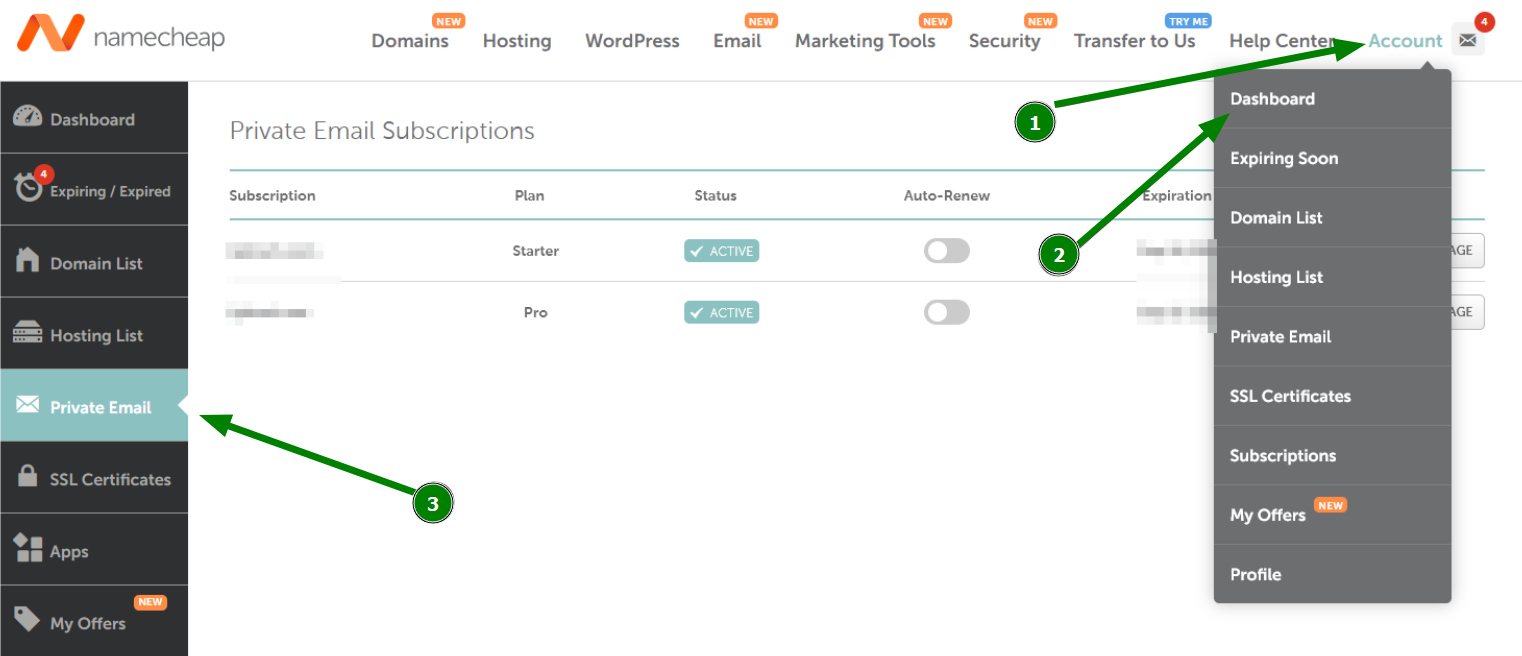
Once your account is verified, log in to Namecheap. Navigate to the “Email” section in the dashboard. Review the different email packages available. Namecheap offers various options to suit different needs. Consider the features each package provides. Storage, security, and price are key factors. Choose a package that aligns with your requirements. Select your preferred package and proceed to checkout. Ensure payment details are correct before completing the purchase.
Configuring Email Settings
Configuring your email settings on Namecheap is essential for seamless communication. This process ensures you can send, receive, and manage your emails efficiently. With Namecheap’s user-friendly interface, setting up your email account is straightforward. Proper configuration enhances your email experience and ensures you never miss an important message.
Accessing Your Email Dashboard
First, log in to your Namecheap account. Navigate to the “Email” tab. Find your domain and click on “Manage” next to it. This opens your email dashboard. Here, you can view and manage email settings. Ensure you’re on the right domain if you have multiple.
Setting Up Email Forwarding
Email forwarding lets you redirect emails to another address. To set this up, go to the email dashboard. Click on “Forwarding” under the email settings. Enter the email address to forward to. Save changes to activate forwarding. This feature ensures you receive emails without checking multiple accounts.

Credit: www.youtube.com
Setting Up Your Domain
Setting up your domain on Namecheap is essential for email configuration. A clear process ensures your emails function seamlessly. This setup involves connecting your domain and updating DNS records. Follow these steps for a smooth experience.
Connecting Your Domain
First, log into your Namecheap account. Locate the ‘Domain List’ section. Click on ‘Manage’ next to your domain. Choose the ‘Advanced DNS’ tab. This is where you connect your domain for email setup.
Ensure your domain uses Namecheap’s default nameservers. This simplifies the process. If you see different nameservers, change them. Use the ‘Nameservers’ drop-down menu. Select ‘Namecheap BasicDNS’. Save your changes. This step connects your domain effectively.
Updating Dns Records
Updating DNS records is crucial for email functionality. In the ‘Advanced DNS’ tab, scroll to the ‘Mail Settings’ section. Choose ‘Custom MX’. This option lets you add MX records.
Add the required MX records provided by your email service. These records direct email to your domain. Check for accuracy. Incorrect entries can disrupt email delivery.
Next, add a CNAME record if needed. This often points to ‘mail.yourdomain.com’. Ensure all entries match your email provider’s instructions. Save your changes. This completes the DNS update process.
Creating Email Accounts
Setting up email on Namecheap is simple and straightforward. Access your Namecheap account, navigate to the Email section, and follow the step-by-step instructions. Enjoy seamless communication with your new email setup.
Creating email accounts on Namecheap is straightforward. First, log in to your Namecheap account. Navigate to the email section. There, you can manage all email-related tasks. Setting up email accounts ensures efficient communication. It’s essential for both personal and professional use. Follow these steps to create and manage email accounts effectively.Adding New Users
Adding new users is simple. Go to the email dashboard. Click on the “Add User” button. Enter the user’s details. Choose a username and password. Ensure the information is accurate. This step creates a new email account. It’s important to assign roles. Different roles have different permissions. Roles help manage access. Set them according to your needs.Customizing User Settings
Customizing user settings enhances email usage. First, access the user settings menu. Here, you can adjust various options. Set email forwarding if needed. This forwards emails to another account. You can also set auto-replies. These respond automatically when you’re busy. Customize the mailbox size. This ensures enough storage for emails. Adjust settings to fit your preferences. Ensure users have a seamless experience.Accessing Email On Different Devices
Setting up email on Namecheap is simple. First, log into your Namecheap account. Then, navigate to the email management section. Follow the instructions to configure your email on various devices. Ensure settings like server names and ports match Namecheap’s guidelines for seamless access.
Accessing your Namecheap email on various devices is crucial for efficiency. Whether using a smartphone or a desktop, seamless access ensures you stay connected. Let’s explore how to set up your Namecheap email across different devices effortlessly.Setting Up On Mobile Devices
To access Namecheap email on mobile, start with your email app. Open the app and find the “Add Account” option. Enter your Namecheap email address and password. Choose “Manual Setup” to ensure correct configurations. Select IMAP or POP3 based on your preference. Enter the incoming and outgoing server details. Save settings and sync your account.Configuring Desktop Applications
For desktop email apps, open your application and find account settings. Click on “Add New Account” to begin setup. Enter your Namecheap email and password. Choose manual configuration for accuracy. Input server details for IMAP or POP3. Ensure outgoing server settings are correct. Save and test your connection to finish setup.Troubleshooting Common Issues
Setting up email on Namecheap is usually straightforward. Yet, users might face common issues. This section aims to guide you through these potential hurdles. We will explore solutions to ensure a smooth email experience.
Resolving Email Connectivity Problems
Sometimes, emails fail to connect due to incorrect server settings. Double-check the IMAP or POP settings in your email client. Ensure they match Namecheap’s recommended configuration. Also, verify your internet connection. A weak connection can disrupt email access.
Another issue could be firewall settings. Ensure your firewall allows email traffic. Check if antivirus software is blocking your email client. Adjust settings if needed. These steps often resolve connectivity problems.
Managing Spam And Security
Spam can clutter your inbox. Use Namecheap’s spam filters to reduce unwanted emails. Configure settings to automatically move spam to a separate folder. Regularly update your filters for better results.
Security is crucial. Enable two-factor authentication on your email account. This adds an extra layer of protection. Regularly change your password. Use a strong, unique password each time. These practices help secure your email from threats.
Credit: www.namecheap.com
Advanced Features And Tools
Setting up email on Namecheap is simple. Yet, it offers advanced features that enhance productivity. These tools optimize your email experience, making it efficient and organized. Let’s explore some standout features that can elevate your email management.
Exploring Calendar And Contacts
The calendar feature is more than just a planner. You can schedule meetings, set reminders, and organize events. It integrates seamlessly with your email, keeping everything in one place. Contacts management allows you to store and organize your contacts. Create groups or lists to send emails quickly. This ensures you stay connected efficiently.
Utilizing Email Filters And Rules
Email filters help sort incoming messages automatically. Set rules based on sender, subject, or keywords. This keeps your inbox tidy and organized. You can also block spam with these filters. Rules let you automate actions, like forwarding or archiving. These tools save time and ensure important emails stand out.
Frequently Asked Questions
Is Namecheap Email Pop Or Imap?
Namecheap email supports both POP and IMAP protocols. POP downloads emails to your device, while IMAP synchronizes them across devices. You can choose either based on your needs for accessing and managing your emails efficiently. Make sure to configure your email client settings correctly for optimal performance.
Does Namecheap Domain Come With Email?
Namecheap domains do not automatically include email. You can purchase an email hosting plan separately. They offer affordable email hosting services, enhancing your domain’s professional appeal. Consider their Private Email service for a seamless experience.
How To Set Up Gmail In Namecheap?
Log in to Namecheap. Go to “Domain List” and select “Manage” next to your domain. Click “Advanced DNS” tab, add MX records for Gmail. Set priority and mail server details from Google Workspace. Save changes. Verify domain in Google Workspace.
How Much Is Private Email On Namecheap?
Private email on Namecheap starts at $0. 91 per month for the Starter plan. Business plan costs $2. 91 monthly. These prices offer affordable solutions for secure and reliable email hosting. Namecheap’s private email service includes features like spam protection and mobile sync.
Check their website for detailed pricing information.
Conclusion
Setting up email on Namecheap is simple. Follow the steps carefully. Start by logging into your Namecheap account. Configure your domain settings correctly. Use the provided server names. Double-check your entries to avoid errors. Test your email by sending a message.
Ensure everything works smoothly. Namecheap offers reliable support if needed. A functional email enhances your online presence. It connects you better with clients and partners. Stay organized and professional with a dedicated email address. Now, you can confidently manage your email through Namecheap.
Enjoy seamless communication without hassles.


