
Are you ready to take your web hosting skills to the next level? Setting up a DNS server for your custom web hosting can seem like a daunting task, but it’s not as complicated as it sounds.
Imagine having full control over your website’s domain name system, ensuring faster load times and enhanced security. By mastering this process, you can significantly improve your site’s performance and reliability, making your visitors happier and more engaged. In this guide, you’ll discover a step-by-step approach to setting up a DNS server for your custom web hosting.
We’ll simplify the technical jargon, making it accessible and straightforward. Whether you’re a tech enthusiast or a budding entrepreneur, this knowledge is essential for establishing a robust online presence. Dive in, and empower yourself with the skills to optimize your web hosting setup like a pro. Your website’s success is just a few clicks away!

Credit: kb.porkbun.com
Dns Server Basics
DNS is like a phone book for the internet. It helps to find websites. Every website has a special number called an IP address. DNS converts names like google.com into this number. This makes it easy to visit websites. Without DNS, we would need to remember long numbers.
In web hosting, DNS is very important. It connects domain names to web servers. This tells the internet where to find your website. Setting up DNS correctly ensures your site is always found. If DNS is wrong, visitors can’t see your site. So, keep DNS settings accurate and up-to-date.
Choosing The Right Dns Software
There are many DNS software options. Some are very popular. BIND is a well-known choice. PowerDNS is also widely used. Another option is Unbound. Knot DNS is good for small tasks. MaraDNS is simple and easy. Each has its own strengths.
Think about what you need. Some software is easy to use. Others might be more complex. Security is important. Check if the software is secure. Performance is also key. Does it work fast? Some need more resources. Check if you have enough. Support can be helpful. Look for good customer support. Choose what fits your needs best.
Preparing Your Server
Your server needs enough memory and disk space. At least 4 GB RAM is needed. 20 GB of disk space is also important. A modern CPU helps your server run fast. Use Linux or Windows as your operating system. These systems are stable. They make your server work well. Network speed matters, too. A fast connection is better. It handles more data. Follow these steps for a smooth setup.
Security is very important. Use a strong firewall. It keeps bad people out. Passwords should be complex. Avoid easy words. Update your software often. Updates fix problems. They make your server safe. Backup your data regularly. This saves your work. Antivirus software helps too. It stops viruses. Keep your server safe. Protect your data.
Installing Dns Software
First, get the DNS software. It’s easy to download online. Make sure it’s safe. After downloading, open the file. Start the installation. Follow the steps on the screen. They are simple. Choose where to install the software. Pick a location on your computer. Wait for the installation to finish. It may take a few minutes. Once done, restart your computer. This helps the software work well.
Sometimes, problems happen. Don’t worry. Check if the software is up to date. Updates fix many issues. Also, check your internet connection. A poor connection can cause trouble. Restart your computer if things are not right. Still having issues? Look for help online. Many solutions are available. People share their experiences. This can solve your problem.
Configuring Dns Settings
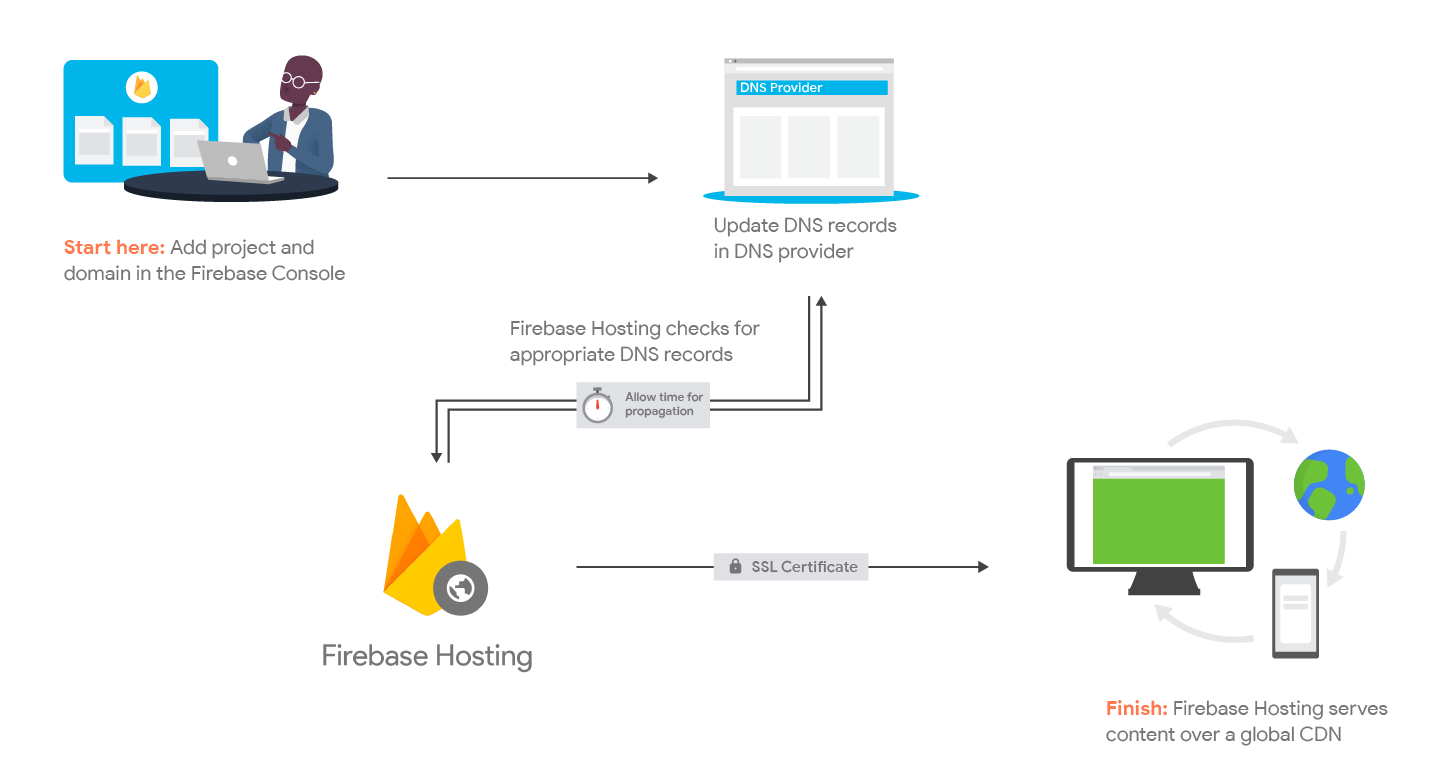
Zone files are important for DNS. They contain information for domain settings. Every zone file includes an SOA record. This record contains details about the domain. It has the primary name server and admin’s email. Zone files use NS records. These point to the name servers. They help direct traffic. A records are vital. They map domain names to IP addresses. MX records are used for emails. They show mail server locations.
DNS records are crucial for domains. A records link domains to IPs. They are key for websites. CNAME records are used for aliases. They connect one domain to another. MX records manage email flow. They direct emails to servers. TXT records hold text data. They are used for verification. SRV records are service records. They help in finding services. PTR records are reverse lookup records. They map IPs to domains.
Credit: firebase.google.com
Testing Your Dns Server
Verification tools are important to check your DNS server. Use tools like DNS Lookup and Ping to see if your server works. They help find problems and fix them quickly. These tools are easy to use and do not need special skills. Just type your domain name and press enter. The tool will show if there is an issue.
Ensuring proper functionality is crucial. Check if all DNS records are correct. Make sure your domain points to the right IP address. This prevents website problems. Regular checks keep your server running smoothly. If issues appear, fix them soon to avoid bigger troubles. Keep an eye on your server’s health. This ensures your website stays online and works well.
Maintaining Dns Server
Setting up a DNS server for custom web hosting involves configuring domain names to direct traffic effectively. This process ensures that users reach the correct website by translating domain names into IP addresses. Proper DNS management is essential for seamless web hosting and improved website performance.
Regular Updates
Updating the DNS server is very important. It keeps the server safe. Hackers often target old servers. New updates protect from these threats. Updates fix bugs. Bugs can slow down the server. A slow server frustrates users. Regular updates improve performance. They make the server faster. Faster servers keep users happy. They are less likely to leave. Always check for new updates. Install them as soon as possible.
Monitoring Performance
Keep an eye on server performance. Look for any slowdowns. Slowdowns can mean a problem. Problems need fixing right away. Use tools to check performance. Tools help find issues quickly. Fixing issues keeps the server running well. A well-running server attracts more visitors. Happy visitors come back. Regular checks prevent big problems. Big problems can be costly. Regular monitoring saves money. It keeps the server healthy.
Credit: www.namecheap.com
Advanced Dns Features
Setting up a DNS server for custom web hosting unlocks advanced features like domain forwarding and record management. These tools enhance control over your website’s accessibility and security, ensuring efficient navigation and data handling.
Load Balancing
Load balancing helps distribute traffic evenly. This keeps your website fast and responsive. It sends users to the server with the least traffic. This prevents any server from overloading. With load balancing, websites stay stable. Users get a smooth browsing experience. Websites with many visitors need this feature. It ensures everyone gets the best service.
Security Enhancements
Security enhancements protect your DNS from threats. Hackers often target DNS servers. These features help stop attacks. They prevent unauthorized access. Encrypting DNS queries is a key method. It keeps data safe from prying eyes. Authentication ensures only trusted users can change settings. With these tools, your DNS is safer. Your website stays secure and trusted by users.
Frequently Asked Questions
How To Setup Dns Server For Web Hosting?
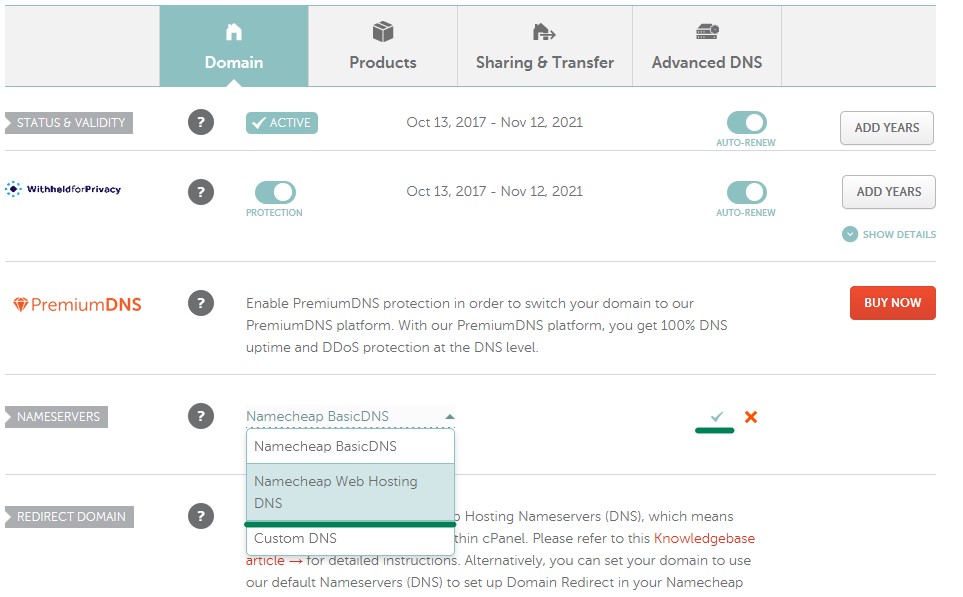
To set up a DNS server for web hosting, configure DNS records through your hosting provider’s control panel. Use A, CNAME, and MX records to direct traffic. Ensure your domain registrar points to your hosting provider’s nameservers. Regularly update records for changes in IP addresses or server configurations.
How To Set A Custom Dns Server?
To set a custom DNS server, go to your network settings. Select the network connection and click “Properties. ” Choose “Internet Protocol Version 4 (TCP/IPv4)” and click “Properties” again. Enter your preferred DNS server addresses in the “DNS server” fields.
Save changes and restart your connection for changes to take effect.
How Do I Add A Dns Server To My Host File?
Open the host file using a text editor. Add the DNS server IP address followed by the hostname. Save changes.
How Do I Add A Dns Entry To My Website?
Log in to your domain registrar’s control panel. Navigate to DNS settings. Click “Add Record. ” Enter the type, name, and value. Save changes. Propagation may take up to 48 hours.
Conclusion
Setting up your DNS server for custom web hosting is easier now. You’ve learned the steps to configure and manage DNS settings. Reliable DNS ensures your website runs smoothly and securely. Always keep your DNS records updated. This helps prevent downtime and protects your site.
Troubleshooting DNS issues is important. Check settings regularly to avoid disruptions. With practice, your skills improve over time. Feel confident in managing your web hosting needs. Remember, a well-configured DNS is essential for online success. Keep learning and exploring new hosting features.
Your efforts will pay off in a seamless online experience.


