
You want your web hosting process to be smooth, efficient, and reliable. That’s where Continuous Integration and Continuous Deployment (CICD) can make a big difference.
Imagine a world where your code automatically gets tested and deployed without any hiccups. Sounds like a dream, right? Well, it’s entirely possible, and you can make it happen. In this guide, you’ll discover how to set up CICD for web hosting, ensuring your updates are seamless and your downtime is minimal.
Get ready to transform the way you manage your web projects, making them faster and more robust than ever before. Dive in and learn how to take your web hosting to the next level!

Credit: medium.com
Benefits Of Ci/cd In Web Hosting
CI/CD helps to create a smooth workflow. It removes manual errors. Automation makes tasks faster. Developers can focus on coding. This leads to better software. Teams work more effectively. Everyone knows their role. This reduces confusion.
Deploying changes becomes quick and easy. CI/CD automates testing. Bugs are found early. Fixes happen fast. Updates reach users quickly. Sites stay secure. Users see new features often. This keeps them happy.
Teams work together better. Communication improves. Developers and testers share ideas. Everyone sees progress. Feedback is fast. Mistakes are fixed quickly. This builds trust. Projects finish on time. Teams feel proud of their work.
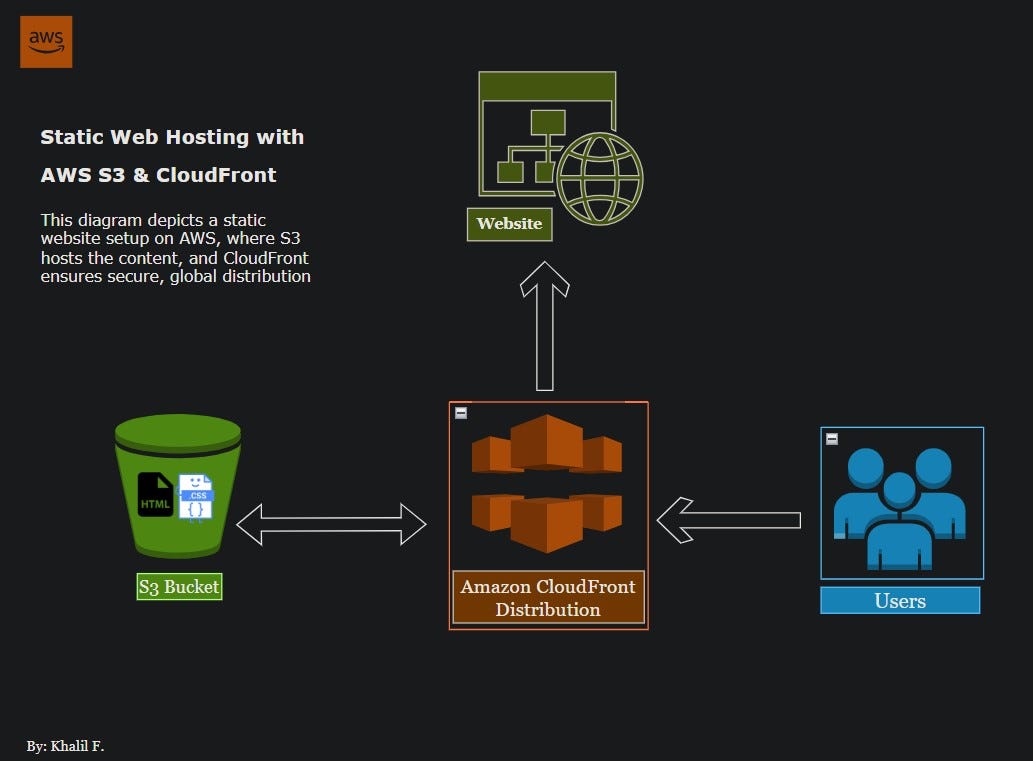
Credit: medium.com
Choosing The Right Tools
Jenkins is a popular choice. It is open-source and free. GitLab CI/CD offers a full suite of tools. It is integrated with GitLab repositories. CircleCI is known for its speed and efficiency. It is easy to set up and use. Travis CI is another good option. It is popular for open-source projects. Choose a platform that fits your needs. Consider your budget and team size.
Many platforms work well with hosting services. AWS offers tools like CodePipeline. It integrates smoothly with their cloud services. Azure DevOps is great for Microsoft users. It works well with Azure cloud. Google Cloud Build is ideal for Google Cloud users. It is fast and reliable. Netlify and Vercel are good for front-end projects. They offer seamless deployment options. Always check compatibility first. Make sure your CI/CD tool supports your hosting service.
Setting Up Your Repository
Setting up CI/CD for web hosting involves configuring your repository for seamless automation. Begin by integrating your version control system with CI/CD tools. Automate testing and deployment processes to ensure efficient and reliable updates to your web hosting platform.
Version Control Basics
Version control helps manage changes to code. It tracks every change. You can go back in time to see old versions. Git is a popular tool for this. It keeps your code organized. It’s like a library for your work. You save your files in a repository. This is where all your code lives. You can share this with your team. Everyone can work together easily. Use version control to avoid losing work.
Branching Strategies
Branches let you work on different ideas at once. Each branch is like a separate world. You can try new things without breaking your main code. Use feature branches for new parts of your app. They help keep things neat. Merge branches when you’re ready. Make sure everyone checks the code. This is called a code review. It helps catch mistakes. Always test your code before merging.
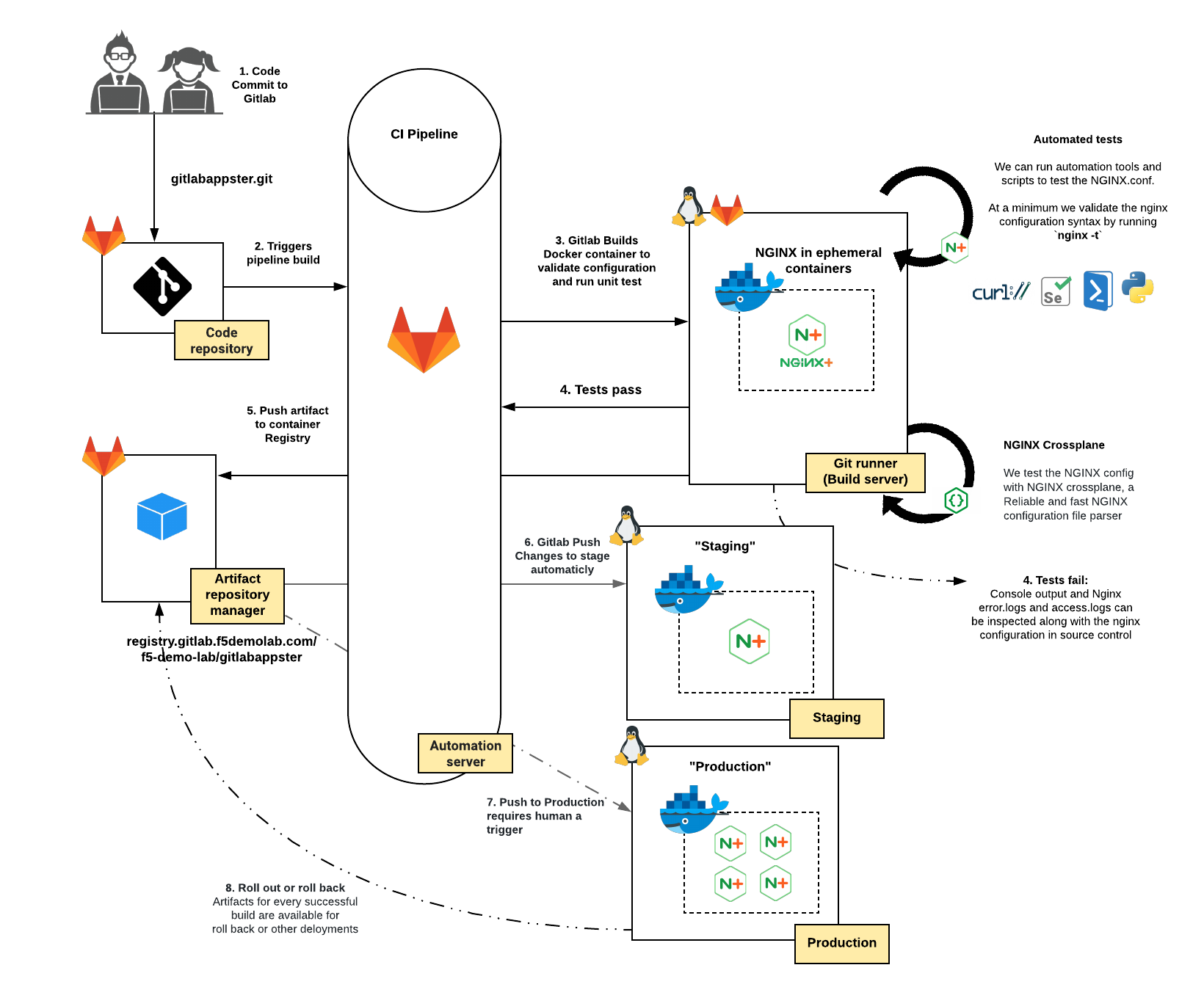
Credit: clouddocs.f5.com
Automating Builds
Build scripts help in making code ready. They collect all files and prepare them. It is like packing a lunchbox. You put all things in a nice box. Build scripts do this for code.
Many tools can help. Some are Jenkins, GitLab, and Travis CI. They can run scripts quickly. This helps in saving time. Choose a tool that fits your needs. Make sure it is easy to use.
Continuous Integration (CI) means adding code daily. It helps find bugs early. Code is checked and tested often. This makes sure the code is good. Many developers work together. CI tools run tests automatically. If a test fails, it shows an error.
Good CI practices make projects strong. Always add small changes. Big changes can cause errors. Use a version control system like Git. It keeps track of changes. This makes it easy to fix mistakes.
Testing Automation
Unit testing checks small parts of code. Each test looks at a single piece. It finds errors early. This helps keep code safe. Integration testing checks how pieces work together. It finds problems in connections. Both tests are important. They make software strong. Each test saves time and effort.
Test environments are places to check software. They copy real-world settings. Developers need these spaces to test safely. They help find bugs before users see them. Setting them up needs care. Choose the right tools. Make sure settings match the real world. This keeps tests useful. Good environments lead to better software.
Deployment Strategies
Staging and Production Environments need proper setup. Staging is for testing. It mirrors the production environment. This helps in finding bugs early. Production is the live environment. It must be stable and secure. Testing in staging reduces risks in production. Use staging for new features and updates. This ensures smooth transitions.
Rollback and Recovery Plans are crucial. Mistakes happen, even in production. A rollback plan helps fix errors fast. It returns the system to a previous state. Recovery plans are for bigger issues. They help restore lost data. Always have backups ready. This saves time and keeps users happy.
Monitoring And Maintenance
Good performance keeps your website happy. Watch the website speed. Check uptime often. Slow websites make users sad. Track load times regularly. Faster sites mean better experiences. Use tools to see speed problems. Find these issues early. Fix them quickly. Speed matters a lot.
Issues happen sometimes. Fix them fast. Check error logs daily. Solve problems right away. Users don’t like broken pages. Keep the site running smoothly. Be ready for any issue. Have a plan to fix problems. Fixing issues keeps users happy. Happy users come back.
Security Considerations
Setting up CI/CD for web hosting demands careful attention to security. Secure your code repository with strong access controls. Regularly update and monitor your deployment tools to prevent vulnerabilities.
Secure Credentials Management
Keep credentials safe. Use strong passwords. Change them often. Store them in secure locations. Avoid sharing passwords. Use a password manager to help remember. Limit access to important credentials. Only trusted people should have them. Encrypt data before storing it. This keeps it secure. Regularly review who can access credentials. Remove people who no longer need them. Monitor for any suspicious activity. Take action if something looks wrong.
Vulnerability Scanning
Scan systems for vulnerabilities. Do this often. Use trusted tools for scanning. Fix issues quickly when found. Update software regularly. This closes security gaps. Train people to recognize security risks. Tell them what to do if they find one. Keep logs of scans and fixes. Review them often. Automate scans when possible. This saves time and catches problems early. Stay informed about new threats. Adapt quickly to protect systems.
Scaling Your Ci/cd Pipeline
Setting up CI/CD for web hosting streamlines deployment, ensuring quick and efficient updates. Automate testing to reduce errors and enhance performance. Implement continuous integration to maintain code quality, making your web hosting reliable and user-friendly.
Handling Increased Traffic
CI/CD pipelines help manage website traffic. As traffic grows, systems need updates. Efficient pipelines handle more users easily. Monitor performance regularly to spot issues. Load testing helps prepare for busy times. This ensures smooth user experiences.
Optimizing Resources
Resource management is crucial for scaling. Use cloud resources for flexibility. Auto-scaling adjusts resources based on demand. This saves money and improves efficiency. Caching reduces server load by storing data. Optimize code to use less memory and CPU. Every step counts in managing resources.
Frequently Asked Questions
How To Set Up A Ci Cd?
To set up CI/CD, choose a CI/CD tool and integrate it with your version control system. Configure build scripts and automated tests. Set deployment scripts to push code to production environments. Monitor and iterate the process for continuous improvement. Ensure security and compliance checks are part of the pipeline.
What Are The 4 Stages Of Ci Cd Pipeline?
The CI/CD pipeline has four stages: build, test, deploy, and monitor. The build stage compiles code, while testing checks its functionality. Deployment releases the code to production, and monitoring ensures its performance and reliability. These stages streamline software development and delivery.
What Is The Best Practice For Ci Cd?
Implement automated testing and continuous integration for every code change. Use version control and maintain a clear branching strategy. Deploy frequently to catch issues early. Ensure a fast and reliable feedback loop. Monitor performance and security continuously.
What Is Ci Cd For Beginners?
CI/CD stands for Continuous Integration and Continuous Deployment. It automates software development processes. Continuous Integration involves frequent code integrations. Continuous Deployment automates code delivery to production. This ensures faster updates and improves software quality, efficiency, and collaboration among development teams.
Conclusion
Setting up CI/CD for web hosting streamlines your deployment process. It helps ensure your web applications are always up-to-date. Automated tests catch errors early, saving time and effort. Teams collaborate better with consistent workflows. Security improves with regular updates and checks.
Embrace CI/CD for efficient, reliable web hosting. Start small, then expand your setup as you grow. Remember, the goal is smoother, faster deployments. This approach supports your hosting needs effectively. Take steps today to implement CI/CD and enhance your web hosting experience.
Your web projects deserve a streamlined, modern approach.


