
Are you dreaming of starting your own web hosting company but feeling overwhelmed by the technical jargon and endless to-do lists? You’re not alone.
Many aspiring entrepreneurs share your ambition but get stuck before they even begin. The good news is setting up a web hosting company is more accessible than you might think. And guess what? You don’t need to be a tech genius to get started.
Imagine having the power to host websites, manage clients, and generate a steady income stream, all from the comfort of your own home. This guide will walk you through each step, ensuring you feel confident and equipped to turn your dream into reality. From selecting the right hardware to navigating legal requirements, we’ve got you covered. Stay with us, and you’ll discover the secrets to building a successful web hosting company that stands out in a crowded market. Ready to dive in? Let’s get started!
Market Research And Analysis
Finding your audience is important for your web hosting company. Think about who will use your services. Are they small businesses or big companies? Maybe individual users? Knowing this helps you make better plans. It also helps you create services that meet their needs.
Look at other web hosting companies. See what they offer and how they work. Notice what they do well and what they don’t. This helps you learn. You can then do things better. It is always good to be different and offer something unique.
The internet world changes fast. Keep an eye on new trends in web hosting. This might be new technology or new ways people like to use web hosting. Staying up-to-date helps your company stay strong and grow. It keeps you ahead in the game.
Business Plan Development
Start by knowing your main goals. Decide what you want to achieve. Do you want many customers or just a few? Think about your services. Will you offer just hosting or more? Maybe email or security services too. Clear goals help guide your steps. They make decision-making easier.
Plan your budget wisely. List all your expenses. Hosting servers, software, and staff cost money. Don’t forget marketing costs. They help you get customers. Save some money for unexpected things. This is your safety net. It’s smart to have financial goals. Like earning more than you spend.
A good marketing plan is key. Know your target audience. Create a simple website. Explain your services clearly. Use social media to reach people. Advertise online and offline. Offer special deals to new customers. Make sure your branding is strong. A good name and logo help.
Legal Requirements And Registration
Picking the right business structure is very important. You can choose to set up as a sole trader, a partnership, or a corporation. Each has its own rules and benefits. Think about how much control you want. Also, consider how much risk you are willing to take. A corporation can protect you from personal loss. But, it may have more rules to follow. A sole trader is simpler but can be riskier.
Registering your business is a must. It makes your company official. Choose a unique name for your business. Then, file the name with the right authority. You may need to pay a fee. Keep all your documents safe. They prove your business is real. You may also need a business license. Check what your area requires.
Know the rules your business must follow. These rules keep your business safe and legal. You may need to follow local, state, or national rules. Some rules are about data privacy. Others might be about taxes. Make sure you understand them well. Breaking rules can lead to big fines. It can also harm your business reputation.
Choosing The Right Technology
Selecting the right technology is crucial for setting up a successful web hosting company. Consider factors like server reliability, scalability, and security features to ensure optimal performance and client satisfaction.
Selecting Hosting Platforms
Picking the right platform is crucial. Some popular options are Linux and Windows. Linux is cost-effective and reliable. Windows offers user-friendly tools. Consider your audience’s needs. Linux is suitable for most users. Windows is better for specific applications. Choose wisely based on your goals.
Server Configuration Options
Servers come in different types. Shared servers are budget-friendly. Dedicated servers offer more control. VPS combines both benefits. Shared servers host many sites together. Dedicated servers host only your site. VPS gives a middle ground. Understand each type before choosing.
Software And Tools
Proper software is essential. cPanel and Plesk are popular choices. They help manage websites easily. Backup tools protect data from loss. Security software keeps your site safe. Make sure to choose reliable software. This ensures smooth operations. Easy management is key for success.
Building A Reliable Infrastructure
Data centers are very important for hosting. Choose locations carefully. Make sure they are safe from natural disasters. Keep the environment cool. Use powerful servers for fast service. Also, ensure power backups are in place.
Security is critical for a hosting company. Protect data from hackers. Use strong firewalls to block threats. Encrypt data to keep it safe. Regularly update your security systems. Train staff on security practices.
Backups save data from loss. Always have a backup plan. Use automated systems for regular backups. Store backups in a different location. Test recovery solutions often. Make sure data can be restored quickly.

Credit: www.shoutmeloud.com
Creating Service Packages
Choose a simple pricing model. It’s important for your customers. Flat rate plans are easy to understand. Tiered pricing offers options for different needs. Each tier can have more features. Pay-as-you-go allows flexibility. Customers pay for what they use.
Include important features in your packages. 24/7 support is crucial. Customers feel safe with constant help. High-speed servers improve website performance. Secure data storage protects customer information. Regular backups ensure data is safe. These features build trust.
Allow customers to customize packages. They can add or remove features. This lets them tailor services to their needs. Customization makes your offer unique. It attracts more customers. Flexible options suit different budgets. This approach increases satisfaction.
Developing A Website
Setting up a web hosting company involves choosing reliable server hardware and software. You must ensure excellent customer support and competitive pricing. Offering user-friendly tools for website management attracts more clients.
Design And User Experience
Make your website look good. Use bright colors and clear fonts. Kids should find it easy to use. Navigation must be simple. Visitors should find what they need quickly. A good design helps people trust your company.
Content Strategy
Content is what people read or see. Write clear and helpful text. Use short sentences. Explain how your hosting works. Show pictures to help understand. Make sure the content answers common questions.
Integration With Hosting Services
Hosting services are where websites live. Integration means connecting your website with these services. Ensure easy setup for your customers. Provide guides and support. Make the process smooth and fast. Help users start their website journey with ease.

Credit: verpex.com
Marketing And Promotion
Online ads help reach many people fast. Use Google Ads and Facebook Ads. They target different groups. Set a budget to manage costs. Write clear and simple ads. Use keywords that match your service. Ads should be short and catchy. This grabs attention quickly.
Social media is key for promotion. Share tips and fun facts about hosting. Post regularly on platforms like Twitter and Instagram. Respond to comments and messages quickly. This builds trust with followers. Use photos and videos for better engagement. Ask questions to start conversations.
Work with others to grow your business. Partner with web designers or developers. They can recommend your service. Attend events to meet potential partners. Offer special deals to new partners. This encourages them to join hands. Share each other’s content online. This increases your reach.
Customer Support And Management
Good support systems help customers. They need fast answers. Use a ticket system. It tracks problems. Chat support is useful too. It allows quick replies. FAQs save time. Customers find answers themselves. Support systems should be easy to use.
Staff training is important. They should know the technical details. Teach them to be friendly. Make sure they listen well. Role-playing helps them practice. They learn to handle tough calls. Regular training keeps skills sharp. A good staff makes customers happy.
Feedback is key for growth. Ask customers for their thoughts. Use surveys. Analyze feedback carefully. Find areas to improve. Make changes based on feedback. Happy customers mean success. Continuous improvement builds trust.
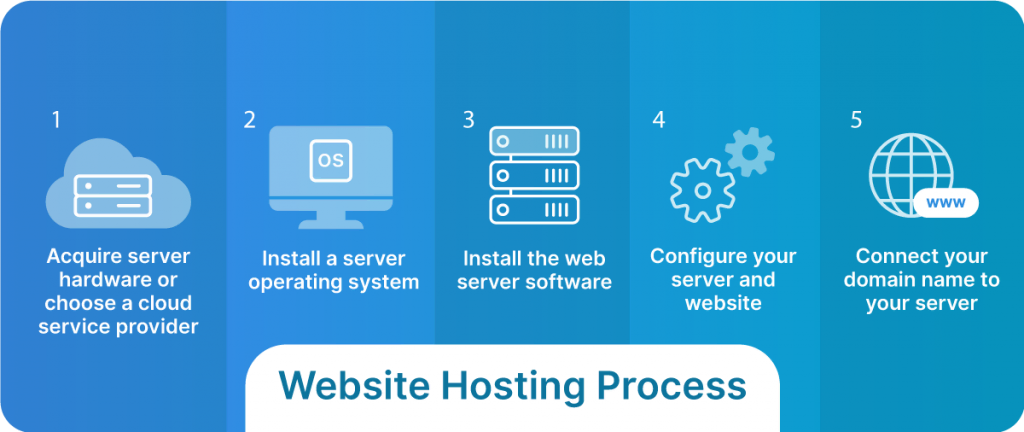
Credit: www.liquidweb.com
Monitoring And Optimization
Performance Tracking is key for a web hosting company. Use tools to check server speed. This helps in keeping websites fast. Slow sites lose visitors. Always aim for quick loading times. Fast sites keep users happy.
Continuous Improvements are important. Always update your systems. New updates fix bugs and improve security. This keeps your service reliable. Happy customers will stay longer. They might also tell others about you.
Scaling Business Operations means growing your company. Start with a small team. As you get more clients, hire more people. Make sure your servers can handle more traffic. Upgrade your equipment if needed. This helps in serving more customers well.
Frequently Asked Questions
Are Web Hosting Companies Profitable?
Web hosting companies can be profitable due to high demand, recurring revenue, and scalable infrastructure. Effective marketing and customer retention boost profitability. Successful companies offer diverse plans and exceptional support to attract and maintain clients. Profitability varies by company size, strategy, and market conditions.
How Do I Set Up A Web Hosting?
Choose a reliable hosting provider. Register a domain name. Select a hosting plan. Set up your account. Upload your website files.
What Are The Three Types Of Web Hosting?
The three types of web hosting are shared hosting, VPS hosting, and dedicated hosting. Shared hosting is cost-effective, VPS offers more control, and dedicated hosting provides maximum resources and security. Each type caters to different needs, from personal blogs to large business websites.
Choose based on your site’s requirements.
Can I Be My Own Hosting Provider?
Yes, you can be your own hosting provider. It requires technical skills, equipment, and a stable internet connection. You need to manage server maintenance, security, and backups. Consider costs and time for setup and management before proceeding. Professional hosting services often offer convenience and reliability.
Conclusion
Starting a web hosting company requires careful planning. Choose reliable servers. Invest in quality customer support. Focus on security and uptime. These elements build trust. Tailor services to meet client needs. Competitive pricing attracts customers. Marketing helps grow your business.
Stay updated with tech trends. This keeps you ahead. Running a successful hosting company takes dedication. But, with commitment, it’s achievable. Remember, customer satisfaction is key. Happy clients mean repeat business. Always strive for improvement. Your success depends on it.
With these tips, you’re ready to begin your hosting journey. Good luck!


