
Are you dreaming of starting your own web hosting business but unsure where to begin? You’re not alone.
Many people see the potential in this lucrative field but feel overwhelmed by the technical and logistical hurdles. Imagine having the power to control an essential part of the internet’s backbone while generating a steady income. Sounds enticing, right? This guide will break down the process into simple, actionable steps that anyone can follow, regardless of their technical expertise.
By the end of this article, you’ll not only understand how to set up a web hosting business but also feel empowered to take the leap and start your entrepreneurial journey. Keep reading to discover how you can turn this dream into reality and carve out your niche in the digital world.
Credit: verpex.com
Market Research
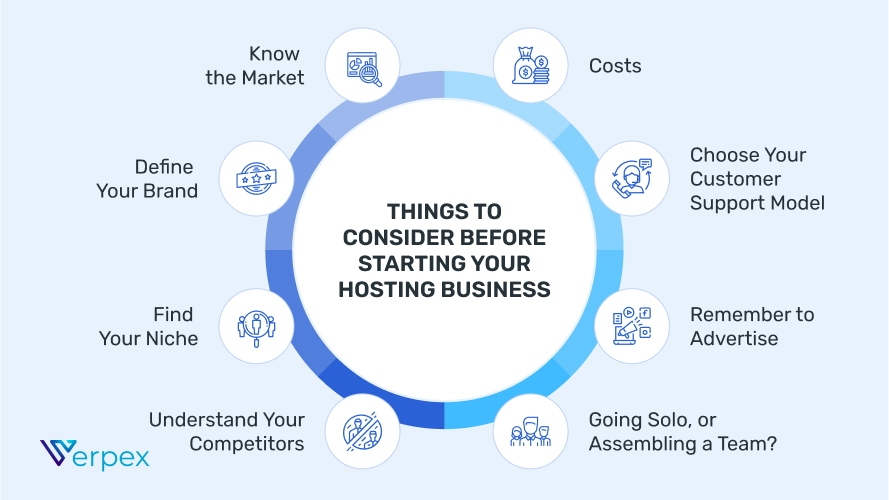
Knowing who will use your web hosting services is crucial. Focus on small businesses, bloggers, and online stores. Each group has different needs. Small businesses may need secure sites. Bloggers want fast loading times. Online stores need reliable uptime. Understanding these needs helps you serve them better.
Study other web hosting companies. Look at their pricing plans. Check their customer reviews. Find what they do well. Spot their weaknesses too. This gives you a chance to improve. Offer something unique. Different is good.
Keep up with new technologies in web hosting. Many people want cloud hosting now. Green hosting is popular too. Trends help you stay ahead. Always be ready to adapt. Change is constant. Stay informed.
Business Plan Development
Set clear goals for your web hosting business. Decide the type of hosting you will offer. Will it be shared, VPS, or dedicated? Target a specific audience. Understand their needs. Aim for quality service. Make sure your support is reliable.
Estimate costs and earnings. Calculate startup expenses. Include servers, software, and licenses. Predict monthly costs. Include electricity, internet, and maintenance. Estimate revenue. Consider how many clients you will have. Plan for growth. Adjust projections regularly.
Develop a plan to attract clients. Use social media to reach people. Create a strong website. Make sure it is easy to use. Offer promotions. Discounts for new clients can help. Write engaging content. Teach people why your service is good.
Legal Considerations
Picking the right business structure is very important. It affects your taxes and liability. Options include sole proprietorship, partnership, LLC, and corporation. Each has different rules and benefits. Talk to a lawyer to understand which is best.
Once you pick your structure, you need to register your business. This makes it official. You will need a business name. Check if the name is available. Then, file the necessary paperwork. This step is crucial for legality.
Every business has rules to follow. These are called compliance requirements. They include taxes, licenses, and permits. Know the rules for your area. This helps you avoid problems. Staying compliant keeps your business safe and legal.
Infrastructure Setup
Choosing the right hosting platform is important. It affects your business’s success. Consider options like shared, VPS, or dedicated hosting. Each has different features and costs. Shared hosting is cheap but less powerful. VPS hosting offers more control. Dedicated hosting is for big businesses.
Data centers are where your servers live. Choose locations that are safe and have good internet. Multiple centers improve reliability. They help if one center has problems. Think about power needs and backup plans.
Keeping data safe is a must. Use firewalls to block bad traffic. Install SSL certificates for secure connections. Regularly update software and systems. Train staff on security practices. This protects your clients’ information.
Service Offerings
Start by deciding on hosting packages. You could offer shared hosting for beginners. VPS hosting might suit medium businesses. Dedicated hosting is ideal for big companies. Each package should have clear features. This helps customers choose easily.
Consider providing extra features. Add free domain registration to attract users. SSL certificates can ensure safety. 24/7 customer support is important. These features make your service more valuable. Customers like extras that improve their experience.
Pricing should be simple and fair. Look at what others charge. You can offer discounts for long-term plans. Make sure prices fit the market. Clear pricing builds trust with clients. Everyone loves knowing they get a good deal.
Credit: www.inmotionhosting.com
Technical Support System
Setting up a web hosting business requires a reliable technical support system. Ensure customer satisfaction by providing swift, effective solutions to technical issues. A strong support team can enhance client trust and business growth.
Hire Support Staff
Good support staff are very important. They help fix problems fast. Hire people who know about computers. They should be friendly and patient. Train them to solve common issues. This makes customers happy. Happy customers stay longer.
Develop Support Protocols
Protocols are rules. They help staff handle issues the same way. Write clear steps for common problems. This helps staff work faster. Update protocols as new issues come up. Everyone should follow these protocols. This keeps service quality high.
Implement Ticketing System
A ticketing system helps track problems. Customers open tickets when they need help. Staff then solve these tickets one by one. This system keeps work organized. Staff can see which tickets are most urgent. Track progress easily with this system. It helps in giving better support.
Marketing And Promotion
Build an Online Presence is very important for your hosting business. Start with a simple website. It should tell people what you offer. Add contact info. Make sure it’s easy to use. People should find answers quickly. A good website helps you look professional.
Utilize Social Media to reach more people. Share interesting facts about hosting. Post pictures of your team. Share customer stories. Engage with followers. Answer questions they ask. Social media helps you connect. People will remember you.
Engage in Content Marketing to share knowledge. Write blogs about hosting tips. Create videos to explain things. Share guides for beginners. Content helps people learn. They trust you more. They might choose your service. Content is a powerful tool.
Customer Acquisition
Starting a web hosting business involves attracting and retaining customers effectively. Focus on building a user-friendly website with clear pricing. Offer excellent customer service to enhance satisfaction and loyalty.
Leverage Seo Techniques
SEO helps people find your website. Use keywords related to web hosting. Write blog posts to attract visitors. Optimize your website content. Make sure your site loads fast. Mobile-friendly sites rank higher. Use meta tags for better visibility. Create backlinks to your site. Good content gets shared. This improves your search rankings.
Utilize Paid Advertising
Paid ads reach more people. Choose Google Ads for wider reach. Set a budget for your ads. Use targeted keywords. This gets your ads to the right people. Monitor your ad performance. Adjust your strategy if needed. Paid ads can bring quick results. They help in getting more customers.
Implement Referral Programs
Referral programs encourage sharing. Offer discounts to referrers. Create easy steps for referrals. Provide a unique link for sharing. Reward both referrer and referee. Happy customers refer others. This builds trust and grows your client base. Referral programs are cost-effective. They help in expanding your network.
Performance Monitoring
Tracking key metrics is important for a web hosting business. Monitor server uptime to ensure reliability. Measure website load times to keep customers happy. Bandwidth usage helps in understanding traffic patterns. Keep an eye on CPU and memory usage to avoid slowdowns.
Customer feedback offers valuable insights. Listen to what they say about your service. Are they happy with the speed? Do they find your support helpful? Feedback helps improve your offerings.
Adjust strategies based on data and feedback. If servers are slow, consider an upgrade. If customers want more features, think about adding them. Changes should align with customer needs and business goals.

Credit: verpex.com
Growth And Expansion
Starting a web hosting business involves key steps like choosing a reliable server, setting competitive prices, and offering excellent customer support. Focus on building a strong online presence to attract clients and ensure seamless service delivery to boost customer satisfaction and loyalty.
Explore New Markets
Find new places to sell your web hosting. Try different places. New markets have new customers. Learn about them. Understand what they need. This can grow your business. More people mean more sales.
Diversify Service Offerings
Offer more than just hosting. Add extra services. Like website building. Or email solutions. This makes your business stronger. Customers like having choices. They may stay longer.
Invest In Technology Upgrades
Keep your tech up-to-date. Buy new tools. Upgrade old systems. This helps your business run smoothly. Faster service is better. Customers will be happy. Technology is always changing.
Frequently Asked Questions
How Do You Start Your Own Web Hosting Company?
To start a web hosting company, research the market and choose a niche. Purchase reliable server hardware or opt for a reseller hosting package. Set up a user-friendly website with secure payment options. Develop a strong marketing strategy to attract customers.
Provide excellent customer support to ensure satisfaction.
What Are The 3 Types Of Web Hosting?
The three types of web hosting are shared, VPS, and dedicated hosting. Shared hosting involves multiple websites on one server. VPS hosting provides a virtual private server for more control. Dedicated hosting offers an entire server exclusively for one website.
Choose based on your site’s needs and traffic.
Can You Make Money Hosting Websites?
Yes, you can make money hosting websites by offering reliable services. Charge clients for hosting plans, domain registration, and maintenance. Upsell additional features like security and SEO tools. Partner with affiliate programs to earn commissions. Ensure excellent customer support to retain clients and attract new ones.
How Do I Get Started With Web Hosting?
Choose a reliable web hosting provider that fits your needs. Register a domain name. Select a hosting plan. Set up your account and configure settings. Install a CMS like WordPress for easy site management.
Conclusion
Starting a web hosting business is achievable with careful planning. Focus on choosing reliable servers. Ensure strong customer support. Keep pricing competitive to attract clients. Build a user-friendly website for easy navigation. Stay updated with industry trends to remain relevant.
Marketing your services effectively can draw in more customers. Remember, building trust is key for long-term success. Keep learning and adapting to changes. Your efforts will pay off as your business grows. With dedication, your web hosting venture can thrive.


