
Have you ever wondered if you could run Windows on your web hosting server? Perhaps you’re searching for a more familiar environment, or maybe there’s a specific Windows-based application you need for your projects.
No matter the reason, the idea of integrating the Windows operating system with web hosting isn’t as far-fetched as it might sound. In fact, it’s a solution that many tech-savvy individuals and businesses are now exploring. Imagine the flexibility and control you’d gain by having the powerful Windows interface at your fingertips, right on your server.
But how exactly do you make this happen without diving into a sea of technical jargon and complex procedures? The answer might be simpler than you think. We’re going to guide you through the process step-by-step, ensuring that you can confidently set up Windows on your web hosting server. Stick with us, and you’ll uncover not just the “how,” but also the “why,” making your decision-making process that much easier. Ready to transform your server capabilities? Let’s dive in.
Credit: www.kamatera.com
Choosing A Web Hosting Service
Web hosting helps store your website files. Windows hosting and Linux hosting are popular types. Windows hosting uses Windows servers. Linux hosting uses Linux servers. Both have different features.
Windows hosting supports languages like ASP.NET. It is good for Windows applications. Linux hosting supports PHP and MySQL. It is good for open-source apps. Choose based on your needs.
Windows hosting is easy for beginners. Linux hosting is flexible for experts. Costs differ. Windows hosting can be more expensive. Linux hosting is often cheaper. Both have unique benefits.
Setting Up A Windows Server Environment
First, download the Windows Server ISO file. You need to mount this file. Use a virtual machine. VirtualBox is a good choice. Create a new virtual machine. Choose Windows as the operating system. Select the Windows Server ISO file. Begin installation by following the prompts. Ensure to select the correct options. Language, time, and keyboard settings are important. Wait for the installation to complete. Be patient. Restart the system when prompted.
Set a strong password for the administrator. Choose a suitable network setting. Connect to your internet network. Ensure your server has a static IP address. This keeps it stable. Adjust the server’s date and time. Check your firewall settings. Ensure they are secure. Update the server regularly. This keeps it safe. Confirm all basic settings. Make sure everything works well.
Virtualization Options For Windows Hosting
Hyper-V is a tool by Microsoft. It helps run Windows on servers. This tool is great for virtualizing Windows. You can create many virtual machines. Each machine can have its own Windows system. Managing resources is easy with Hyper-V. It lets you control CPU and memory. Hyper-V is safe and secure. Your data stays protected. It is also fast and efficient. Many hosting providers use it. They trust its reliability. With Hyper-V, Windows runs smoothly.
VMware offers powerful solutions for Windows hosting. It supports different operating systems. VMware helps you run Windows on a server. You can use it to create many virtual machines. Each machine can have a Windows system. Resource allocation is easy with VMware. It ensures better performance. VMware is reliable and secure. Many businesses prefer it. They like its features and support. With VMware, running Windows is simple.

Credit: www.chef.io
Remote Desktop Configuration
Accessing a Windows server is easy with remote desktop tools. First, install a Remote Desktop Protocol (RDP) client on your computer. Enter the server’s IP address to connect. Make sure you use the correct username and password. It’s important to have a stable internet connection. This ensures a smooth remote session. You can now control the server from anywhere. It’s like sitting in front of the server.
Security is very important when accessing servers. Always use strong passwords for login. This keeps your server safe. Enable a firewall for extra security. It blocks unwanted access. Use two-factor authentication if possible. This adds a second layer of protection. Keep your software updated to fix security holes. Check the server logs for any suspicious activity. This helps in identifying possible threats.
Optimizing Windows Server Performance
Efficient resource management is crucial for Windows server performance. Allocate memory wisely to avoid slowdowns. Disk space should be monitored regularly. Keep CPU usage under control. Use virtual memory settings effectively. Regular updates help maintain optimal conditions. Network bandwidth should be optimized for faster data transfer. Backup systems must be reliable and secure. Security settings need regular reviews to prevent breaches. Automate tasks where possible to save time. Proper configuration ensures smooth operations.
Monitoring tools track server health. Software solutions provide valuable insights. They help identify performance bottlenecks. Alerts notify of critical issues. Real-time monitoring is essential for quick response. Dashboards offer a clear view of data. Logs reveal patterns and problems. Automated reports summarize server activity. Customizable settings allow tailored monitoring. User-friendly interfaces make navigation easy. Choose tools that fit your specific needs.
Security Best Practices
A firewall keeps bad things out. It protects your server. Set it up carefully. Only allow safe connections. Block the rest. Check the rules often. This keeps the server safe.
Firewalls are like guards. They watch who comes in. Only let in trusted visitors. This prevents harm.
Software needs updates. Updates fix problems. They make things safe. Always apply updates on time. Regular patches close security holes. They stop attacks.
Check for updates weekly. Apply them as soon as possible. This keeps your server secure. Updates are important. They protect your data.
Troubleshooting Common Issues
Running Windows on a web hosting server can face challenges. Issues often involve compatibility, configuration, and resource management. Understanding common errors helps in smoother operation and maintenance.
Network Connectivity Problems
Troubleshooting network connectivity requires a few steps. First, check the server connection. Ensure cables are plugged in correctly. Restart the router and check the settings. Also, verify the firewall settings. Sometimes, firewall blocks the connection. Ensure the IP address is correct. If problems persist, contact your service provider. They can offer more help.
Software Compatibility Issues
Software compatibilityupdated. Sometimes, older versions cause problems. Check the system requirements. Make sure your server meets these requirements. If the software does not work, try alternative software. Consider compatibility with the operating system. If issues persist, ask for technical support. Experts can often resolve these problems quickly.
Credit: pleasantsolutions.com
Frequently Asked Questions
How Do I Enable Windows Web Server?
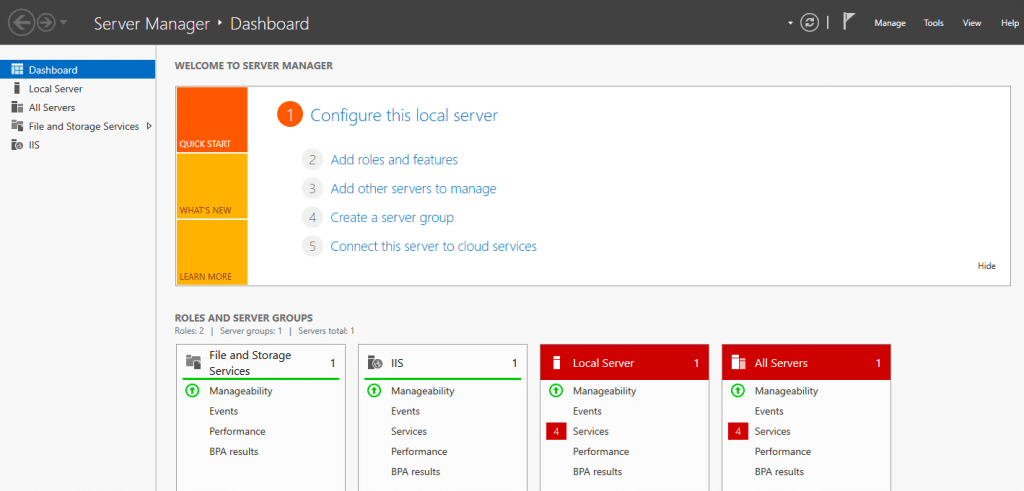
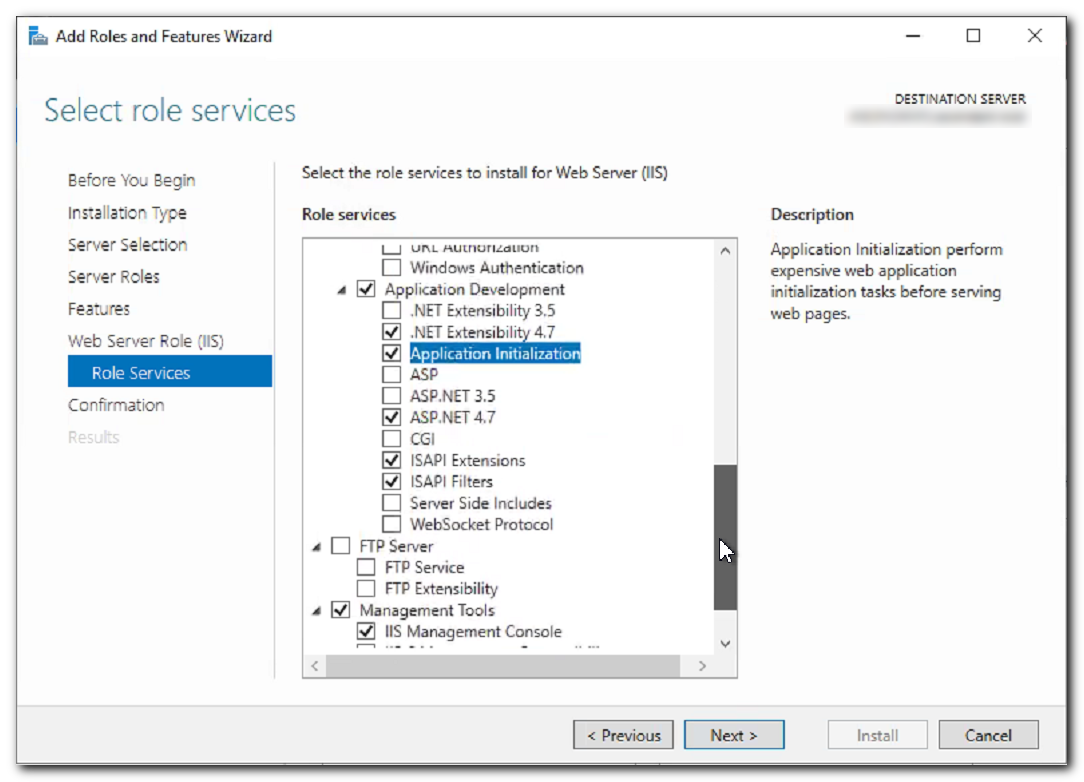
Open Control Panel and select “Programs. ” Click “Turn Windows features on or off. ” Check “Internet Information Services” to enable the Windows web server. Click “OK” and wait for the installation to complete. Access IIS Manager via the Start menu to configure your web server settings.
How Do I Host A Web Server On Windows?
Install XAMPP or IIS to host a web server on Windows. Configure the server settings and start hosting websites.
How To Deploy A Windows Application On A Server?
Deploy a Windows application by installing necessary software on the server. Configure settings for network accessibility. Use remote desktop or deployment tools. Test the application for functionality. Ensure security protocols are in place. Monitor performance and update regularly for optimal operation.
How To Make Windows 10 As A Web Server?
Install IIS via Control Panel to make Windows 10 a web server. Open Control Panel, click on “Programs,” then “Turn Windows features on or off. ” Select “Internet Information Services,” click “OK,” and follow the prompts. Configure IIS by accessing “localhost” in a browser.
Conclusion
Running Windows on a web hosting server is achievable and practical. Follow the steps carefully to ensure smooth operation. Consider software compatibility and system requirements. Performance can vary based on server specifications. Regular updates and maintenance keep your server secure.
Troubleshoot any issues promptly to avoid downtime. Balance cost and efficiency for the best results. With patience and attention to detail, Windows can run effectively on your server. Explore options, test configurations, and adapt to changes as needed. Enjoy the flexibility and control that Windows offers for your web hosting needs.


