
Are you looking to establish your online presence but aren’t sure where to start? Renting web hosting is the first step to getting your website live and accessible to the world.
Imagine the thrill of having your unique corner of the internet, a space entirely dedicated to your ideas, products, or services. It’s easier than you think, and we’re here to guide you through the process. You’ll discover the secrets to renting web hosting without the stress and confusion that often comes with tech decisions.
We’ll break down everything into simple steps, so you can make an informed choice and find a hosting provider that perfectly suits your needs. Whether you’re launching a personal blog or a business website, the right web hosting can make all the difference. Keep reading, and you’ll soon feel confident in your ability to get your site up and running smoothly. Your journey to an amazing online presence starts here!
Choosing The Right Web Hosting Provider
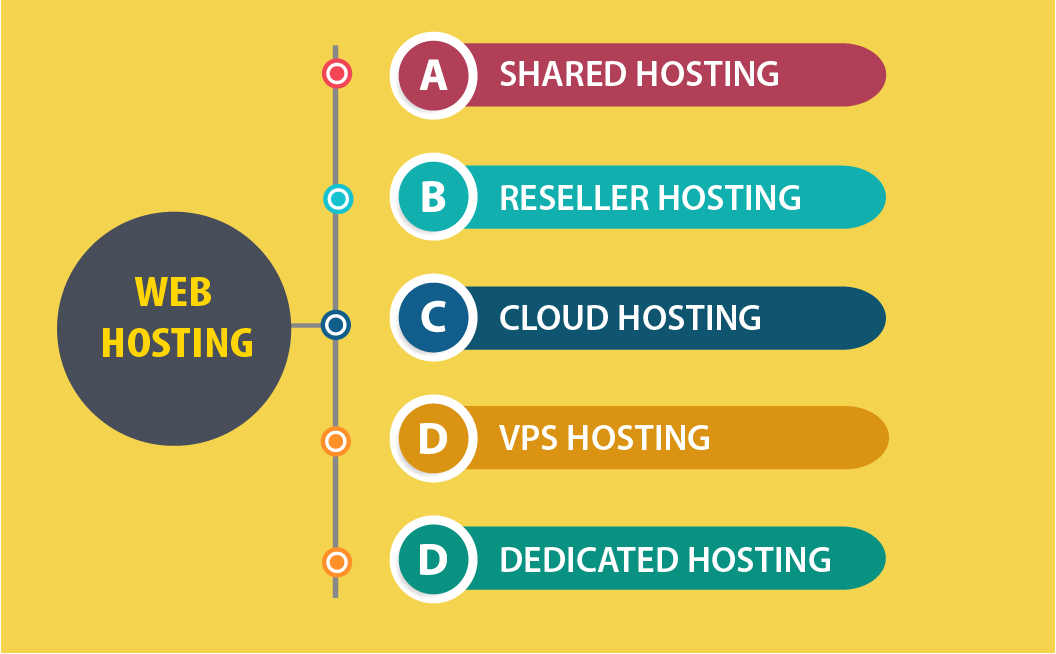
Web hosting comes in different types. Shared hosting is the most common. It is cheap and easy. VPS hosting offers more control. It costs more than shared hosting. Dedicated hosting gives full server control. It is best for big sites. Cloud hosting is flexible. It adjusts to your needs. Each type suits different needs.
Good reputation means reliable service. Check online reviews for honest opinions. Look for customer support ratings. Fast help is important. See how long the provider has been in business. Old providers are often more trusted. Awards and recognitions can show quality. A well-known name is usually better.
Compare plans for the best choice. Price is important. But so are features. Check for storage and bandwidth limits. More is better. Look for security features. SSL certificates keep data safe. Find out if there is a money-back guarantee. It gives peace of mind. Always read the fine print.
Assessing Your Hosting Needs
High traffic needs more bandwidth. More visitors use more data. Estimate your monthly visitors. Choose a plan with enough bandwidth. Avoid extra costs for overuse. Predict traffic growth. Pick a flexible plan. Match your plan with future needs.
Large websites need more storage. Videos and images take space. Check storage limits. Fast websites keep users happy. Choose a host with good performance. Look for SSD storage for speed. Ensure fast loading times. Fast sites rank better on Google.
Protecting your site is vital. Choose hosts with strong security. Look for SSL certificates. They secure data. Firewalls block bad traffic. Regular backups protect your data. Check if the host offers malware scans. Keep your site safe and secure.
Setting A Budget For Web Hosting
Web hosting comes in many types. Shared hosting is usually the cheapest. Dedicated hosting costs more but offers better control. VPS hosting is a middle ground. Each has its own price. Always compare services before choosing.
Some hosts have extra fees. Setup fees might surprise you. Extra charges for backups can add up. Domain costs are often not included. Always read the fine print. Knowing all costs helps avoid surprises.
Cheaper options might lack features. Quality service often costs more. Good uptime is worth the price. Customer support is crucial too. Balance your needs with your budget. Choose wisely for the best experience.
Signing Up For A Hosting Plan
First, choose a web hosting provider. Visit their website. Look for the sign-up button. Fill out the form with your name and email. Create a strong password. Keep it safe. You need it every time.
Find the payment options. Choose what fits you. Credit card and PayPal are common. Some offer bank transfer. Make sure you have enough money. Double-check before paying. Always review the total cost.
Read the terms and conditions. Understand the rules. They are important. Look for hidden fees. Check the refund policy. Know what you are agreeing to. Ask questions if unclear.
Configuring Your Hosting Environment
Control panels help manage web hosting. Common control panels include cPanel and Plesk. These tools allow easy navigation. Users can manage files, databases, and emails. Login using your credentials. Access features with simple clicks. Make changes to settings quickly.
Hosting plans often include email accounts. Set up your email easily. Go to the email section in the control panel. Choose a new email address. Enter details like name and password. Save changes. Access your email using webmail or email apps. Check and send emails without fuss.
Software like WordPress or Joomla can be installed. Find the software installer in the control panel. Select your desired software. Follow simple installation steps. Software helps build your website. Choose plugins and themes to enhance functionality. Keep software updated for security.
Credit: www.cloud4u.com
Managing Your Hosting Account
Choosing the right web hosting involves comparing services and deciding based on your website needs. Check for storage, bandwidth, and customer support. Ensure the provider offers easy management tools.
Monitoring Website Performance
Website speed matters a lot. Visitors like fast websites. Check loading times often. Use tools to measure speed. Slow sites lose visitors. Optimize images and files. This helps speed. Keep track of traffic. Know who visits your site. Find errors and fix them quickly. Broken links upset users.
Handling Technical Support
Technical support is vital. Ask for help when needed. Support teams solve problems. Learn basic tasks like restarting servers. Read guides and tutorials. They help a lot. Contact support for big issues. Keep records of support chats. This helps later. Check FAQs for common questions.
Planning For Future Upgrades
Web growth needs upgrades. Think ahead. More visitors need more power. Upgrade plans often. Check resources like storage and bandwidth. Plan budget for upgrades. Watch trends in technology. Know what changes. Keep backups safe and ready.
Tips For Optimizing Your Web Hosting
Fast websites make users happy. Use lightweight themes to make pages load quickly. Reduce image sizes. Compress files to save space. Enable browser caching. It stores data on users’ devices. Minimize HTTP requests for faster responses. Choose a server location close to your users. This reduces loading time.
Keep sites safe with strong security. Use SSL certificates for data encryption. Regularly update software and plugins. Strong passwords protect accounts. Limit access to sensitive areas. Enable two-factor authentication for extra security. Monitor suspicious activities. Install firewall protection. It blocks harmful traffic.
Data loss is bad. Always keep backups of your website. Schedule regular backups. Use cloud storage for safety. Save multiple copies. Test backup files often. Restore them when needed. This ensures site continuity. Backups protect against data loss from hacks or server failures.
Credit: www.alamy.com
Credit: www.alamy.com
Frequently Asked Questions
How Much Does It Cost To Rent A Server For A Website?
Renting a server for a website costs between $5 to $500 monthly. Shared hosting is cheaper, while dedicated servers are pricier. Pricing depends on server type, features, and provider. Consider your website’s needs to choose the right plan.
How Much Does Website Hosting Cost?
Website hosting costs vary widely, typically ranging from $3 to $300 per month. Shared hosting is cheaper, while dedicated hosting is more expensive. Prices depend on features, bandwidth, and support. Assess your website needs to choose the right hosting plan.
Look for discounts and promotions to save money.
How Can I Host A Website Without Paying?
Use free hosting platforms like GitHub Pages or Netlify. Choose a free subdomain option. Upload your website files. Ensure content is optimized for SEO. Keep track of free service limitations.
Can I Pay Monthly For Web Hosting?
Yes, many web hosting providers offer monthly payment plans. This allows flexibility and easier budgeting. Check provider details for specific options and pricing. Monthly payments often come with no long-term commitment. Compare plans to find the best fit for your needs.
Conclusion
Choosing the right web hosting is crucial. It impacts your site’s performance. Start by assessing your needs. Consider the resources your site requires. Compare hosting plans carefully. Focus on reliability and customer support. Read reviews from other users. This helps you make informed choices.
Consider your budget but don’t compromise on quality. Good hosting ensures your site runs smoothly. Remember, a well-hosted site attracts and retains visitors. Your online presence depends on smart hosting choices. Take your time, research well, and rent hosting that matches your needs best.


