
Are you ready to launch your own website but feeling overwhelmed by the first steps? Purchasing a domain name and web hosting might sound complicated, but it doesn’t have to be.
Imagine having your own slice of the internet, a space where you can share your ideas, showcase your business, or build a community. The process of getting there is simpler than you think, and the rewards are limitless. In this guide, you’ll learn exactly how to purchase a domain name and secure web hosting, step by step.
We’ll break down each part into easy, manageable pieces so you can get started with confidence. By the end of this article, you’ll have all the knowledge you need to make informed choices, avoid common pitfalls, and set up a solid foundation for your online presence. Keep reading to unlock the power of the web and bring your vision to life.

Credit: www.shoutmeloud.com
Choosing A Domain Name
A domain name should show what your brand is about. It must be simple and easy to remember. Think of words that match your brand’s purpose. A good domain helps people know your brand quickly. Keep it short and catchy. Avoid using long or complex words. Pick a name that stands out.
Use keywords that people search for often. This helps your website get noticed. Put important words in your domain name. This can improve your site’s ranking. But do not overdo it. Make sure it sounds natural and readable.
Always check if the domain name is available. Use domain search tools for this. Finding an available name is important. If it is taken, try different words or phrases. Make sure to choose a name that is not too similar to others.
Credit: www.hostpapa.com
Registering A Domain
First, choose a reliable registrar to buy your domain. Popular choices include GoDaddy and Namecheap. Check user reviews online. Look for good customer support and a simple interface. Prices may vary, so compare them. Some registrars offer special deals or discounts. Make sure they support the domain extension you want.
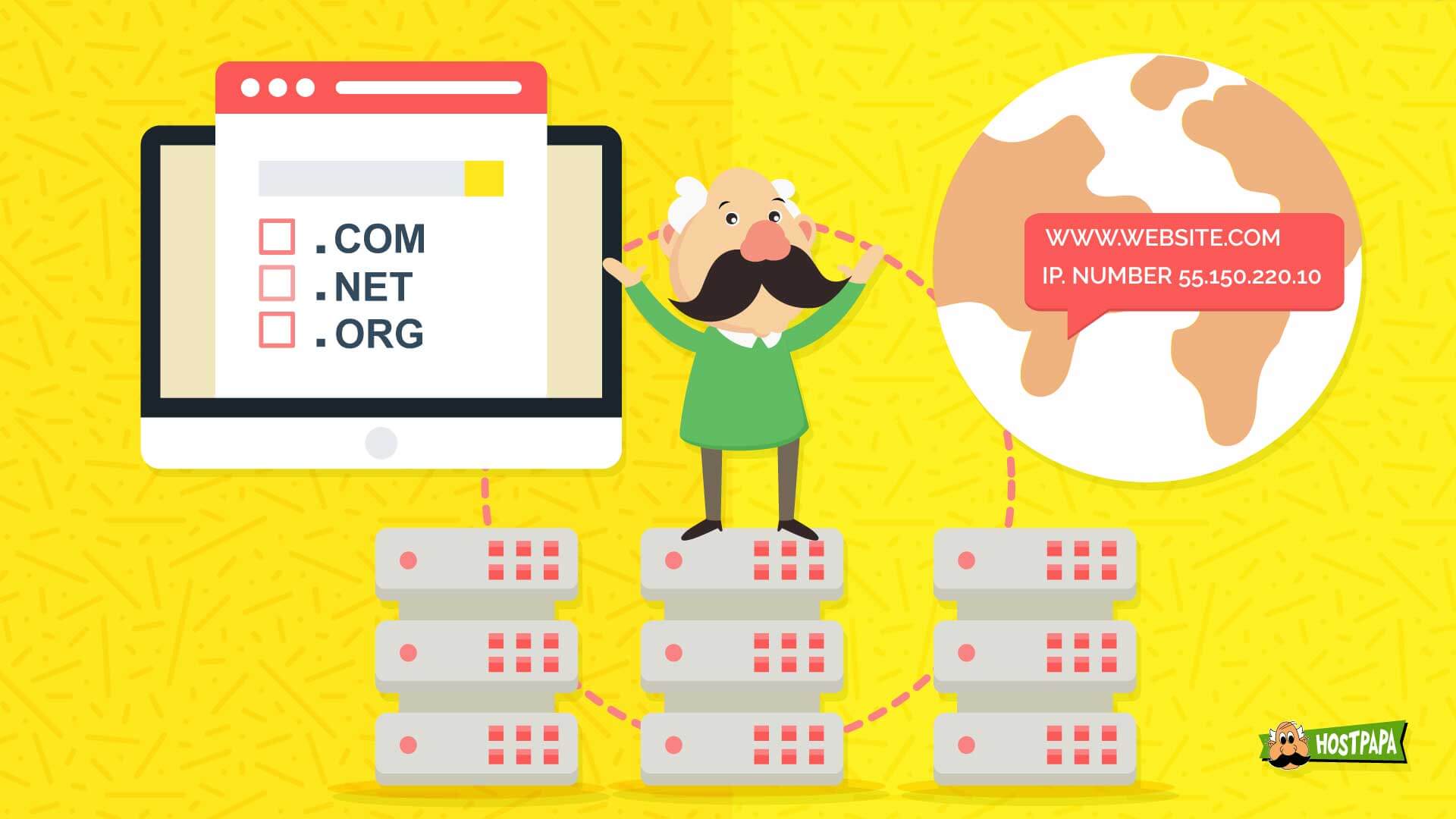
Domain extensions are the letters after the dot. Common ones are .com, .net, and .org. Each extension has a different purpose. Choose one that fits your website. For example, .com is for businesses. .org is usually for organizations. There are many new extensions too. Pick one that is easy to remember.
Privacy protection keeps your info safe. Without it, your contact details can be seen online. Many registrars offer this service. It hides your name, address, and phone number. Check if the registrar includes it in the price. If not, you might pay extra. It’s a good idea to use privacy protection. It keeps your personal information private.
Exploring Web Hosting Options
Shared Hosting is great for beginners. Many websites share one server. It costs less money. Good for small sites or blogs. Easy to use and set up. Limited resources can slow down your site.
VPS Hosting gives more space. It offers more control than shared hosting. Your site gets its own part of the server. It’s more expensive but faster. Suitable for medium-sized sites.
Dedicated Hosting is for big sites. Your site has a whole server. It’s very fast and powerful. Costs more than VPS and shared hosting. Perfect for large businesses. Full control over settings.
Evaluating Hosting Features
Storage and bandwidth are like a backpack and a road. Storage is your backpack. It holds your website files. Bandwidth is the road. It helps data travel. More storage means more space for files. More bandwidth means faster travel for data. Check how much storage you get. Also, see the bandwidth limits. Both are important for your site.
Uptime and reliability are like a clock that never stops. Uptime is when your site is online. High uptime means your site is always there. Reliability is trust. You trust it will work. Look for a host with 99% uptime. Reliable hosts make sure your site is on. Your visitors will be happy.
Customer support is like a friend who helps. Good support is always ready. They solve problems quickly. Look for 24/7 support. It should be easy to contact them. This helps when you need help fast.
Setting Up Your Hosting Account
Start by visiting a web hosting website. Choose a plan that fits your needs. Enter your personal details like name and email. Pick a username and password. These will be your login details. Confirm your email address. Follow the steps to complete your setup.
Log into your hosting account. Find the DNS settings section. It controls how your domain connects. Enter your domain name in the provided space. Add the DNS records from your provider. Save the changes. Your domain will now point to the right server.
Choose a CMS like WordPress. It helps manage your website. Find the install button in your control panel. Click to start the installation. Follow the on-screen instructions. Enter your site name and details. Your website is ready to use. Start adding content!
Cost Considerations
Consider budget and features when buying a domain name and web hosting. Compare prices across providers for the best deal. Opt for a plan that meets your website needs without overspending.
Comparing Pricing Plans
Choosing a domain name and web hosting plan involves comparing different pricing options. Price varies based on features and support. Look for affordable plans that suit your needs. Some plans offer discounts for first-time buyers. Be sure to check the monthly vs. yearly pricing. Some services provide better deals for longer commitments. Always compare prices and features before making a decision.
Understanding Hidden Fees
Hidden fees can surprise new buyers. Read the fine print to avoid unexpected costs. Some providers charge extra for privacy protection. Others may have fees for setup or cancellation. Understanding all fees helps in budgeting. Check if there are extra charges for specific services. Knowing these fees ensures no surprises later.
Evaluating Renewal Costs
Renewal costs can differ from initial prices. Initial discounts may not apply during renewal. Some companies increase prices significantly after the first term. Plan ahead for renewal costs. It’s wise to check renewal rates before purchasing. Knowing renewal costs helps maintain your budget over time.
Security And Maintenance
SSL Certificates keep data safe. They encrypt information. This stops hackers. Websites need this protection. It builds trust with users. Google favors sites with SSL. It is essential for security.
Regular Backups save important data. They protect against loss. Files can get lost. Backups recover them. It’s wise to backup often. Use reliable tools. Keep backups in different places. This ensures safety.
Monitoring Performance helps websites run smoothly. Check site speed. Slow sites lose visitors. Fix errors quickly. Use tools to monitor uptime. Track visitor behavior. Understand what they like. This improves user experience.

Credit: www.greengeeks.com
Frequently Asked Questions
How Do I Permanently Buy A Domain Name?
You cannot permanently buy a domain name, but you can register it for a long term. Choose a reliable domain registrar and renew your registration regularly to maintain ownership. This ensures you keep the domain indefinitely.
Does Buying A Domain Come With Hosting?
Buying a domain does not automatically include hosting. Domain registration and web hosting are separate services. You need to purchase hosting separately to publish your website. Some providers offer packages bundling domain and hosting services for convenience. Always check the details when buying a domain.
How Much Does It Cost For Domain Name And Hosting?
Domain name costs range from $10 to $20 annually. Hosting prices vary between $3 and $15 monthly. Prices depend on the provider and plan features.
What Is The Best Way To Buy A Domain Name?
Select a reliable domain registrar, check domain availability, and compare prices. Choose a domain that aligns with your brand. Ensure it is easy to spell, memorable, and includes relevant keywords. Purchase privacy protection and consider buying similar domains to prevent competitors from using them.
Conclusion
Choosing a domain and web hosting is crucial. It sets up your online presence. Start by researching reliable hosting providers. Compare prices and features. Look for user-friendly interfaces and support. Check domain availability. Find a name that reflects your brand.
Register it promptly. Keep your budget in mind. Make sure hosting offers scalability. Secure payment methods are important. Read reviews from other users. Ask for recommendations if unsure. A good host ensures site performance. Make your decision wisely. Your website’s foundation depends on these choices.
Take action today. Begin your online journey with confidence.


